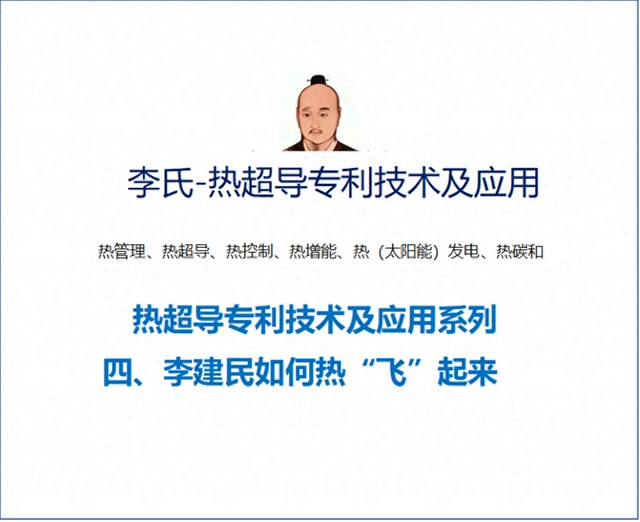
Thermal tubes are an efficient “theorizer” that is widely used in scenes ranging from the dispersion of electronic devices to the industrial exchange of heat. However, there are limitations to traditional first-generation heating technologies. Since 2003, li jianmin of china has invented second- and third-generation heat tube technology, breaking these bottlenecks, upgrading the heat tube from a single “pipe” to a networkable “thermal internet” and even achieving near-zero-depletion heat transmission, which is called “thermal superconductor technology”。
Here, we'll show you the context of this technology in popular language。
1. Short panels of first-generation heat tubes
See the previous article on first-generation heat tube technology, which, although a good invention, is “incompetent” in its application:
These problems make it impossible for first-generation heat tubes to “sauce” only in specific areas to meet broader needs。
“full turn” for second- and third-generation heat tubes
After 40 years of first-generation heat tubes, li jianmin arrived with second and third-generation heat tubes, which changed the situation completely:
The greatest highlight of these two generations is that heat transfer is virtually non-depleted and is described as “thermal superconductor” and therefore also known as “li's heat superconductor material technology”。
3. How is the second generation different from the third generation
3. 1 major structural upgrades
The first generation of heat tubes is a stand-alone “soldier battle”, and the second and third generations have been able to connect the heat tubes into a network through innovative shell and cavity designs. Imagine: if information has the internet, the heat has its own "hot network"
3. 2 smarter heat media
3. 3 diversification of production methods
Accompaniment of a single vacuum and heat sequence, new technologies such as cold platoons, multi-phases, supercriticals, not only create complex shapes of heat tubes, but also bulk production at lower cost。
3. 4 functional comparisons
4. What are the core technologies
The core of li's heat superconductor technology is supported by three major patent categories:
“overall” for traditional heat tubes
5. 1 better doctrine
The first generation uses liquid gas phase to transfer heat, the second and third generation joins multi-phased, fluidized, supercritical, and the capacity for heat transfer increases significantly。
5. 2 more flexible media
New media break temperature limits, and a medium is covered from low to high temperature, unlike the first generation, which can only “mix days” in a given temperature zone。
5. 3 zero-depletion heat transfer
Through new media and structures, thermal energy transfer efficiency is close to 100 per cent, achieving a true "heat superconductor"。
5. 4 diversity of shapes
Upgrade from a single tube to a connected, curved, complex-shaped heat tube to meet the needs of different industries。
5. 5 temperature controllable
Newly designed temperature controllers allow heat tubes to “be in command” as high as they can be。
5. 6 more efficient production
New processes such as cold scheduling reduce costs and allow large-scale automation。
5. 7 better detection
Specialized test equipment ensures the performance of each heat tube。
5. 8 networking as a reality
Thermal tubes are no longer “one-man” and can form networks and be widely used for heat transmission and utilization。
6. How wide is the area of application
This technology is like a "one-size-fits-all key" in the thermal energy field, which can be used in various places:
7. How effective is technology

Summary
The li heat superconductor material technology allows thermal tubes to evolve from “one-on-one” to “on-line” operations, not only achieving zero loss and consumption transfer but also forming networks, temperature control and mass production. It is like the “highway” of the thermal world, opening up new possibilities for energy use. From mobile heat to industry for heat, from solar energy to carbon reduction, this technology is changing our lives and future。