1. Selection of varieties. In order to earn money, it is necessary first to raise the current variety according to local market demand, with the option of raising large ducks if local duck consumption is high; in some areas, with a high demand for ducks, with the option of raising hybrid ducks; in the case of hala ducks, ducks, ducks, etc., a hybrid duck or ducks; and in the case of duck egg products, the option of raising egg ducks. The choice of varieties must be made prior to rearing, as well as the adaptation of varieties, which require trial breeding prior to rearing。

2. Group raising. In the farming process, the number of ducks must be reasonable and reasonable, the number of sheds must be adequate, and local farming specialists or experienced elderly persons may be consulted in early breeding. Ducks are being raised in groups to control their intensity and avoid predatory and crowding, causing unnecessary losses, as well as in groups of different species, of different sizes and sizes, which otherwise affect their growth。
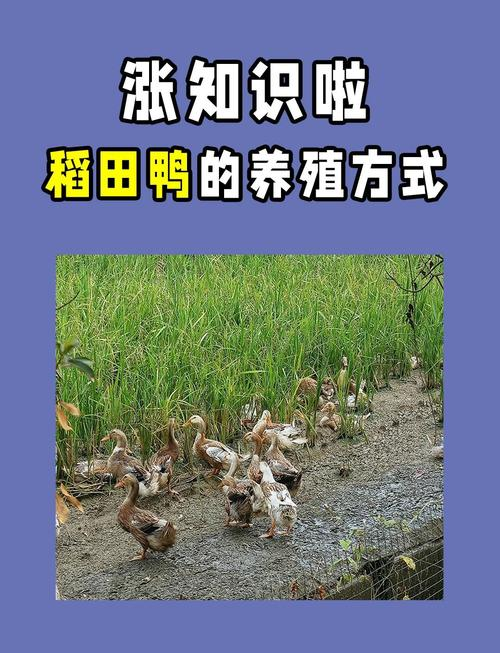
3. Attention to sanitation. Many people do not give priority to farming for environmental sanitation, decomposed rearing, duck excreta, which is not produced in time, and which tends to breed bacteria, not only to support the sickness of duck populations but also to pollute the environment. It is therefore important to clean up in a timely manner, while regularly disinfecting, and as environmental policies are in place, many unsanitary farms are being dismantled and rehabilitated, which can also affect farming and cause damage, so that environmental health must be taken into account。
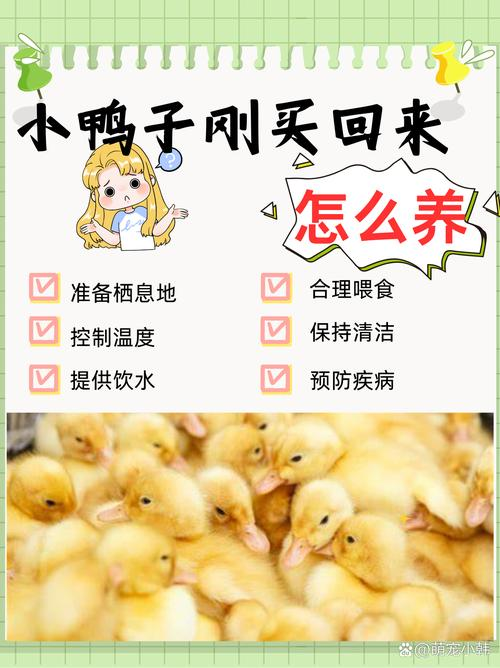
4. Strengthen livestock management. Attracting is a high-quality choice, rather than a low-quality feed based on cheap and cheap schemes, which only affects the growth of ducks. Forage must be regularized at several points per day, without irregular feeding, and each feeding must control the quantity of feed, and any more will affect duck growth。