Tonight, the chinese space station is about to receive four special “astronauts” — mice selected after a 98. 7 per cent phase-out rate. The four black mice will live in the sky for five to seven days and return to earth. There's a poet in the rat world, and there's probably a saying: "craze, it's too dangerous!"
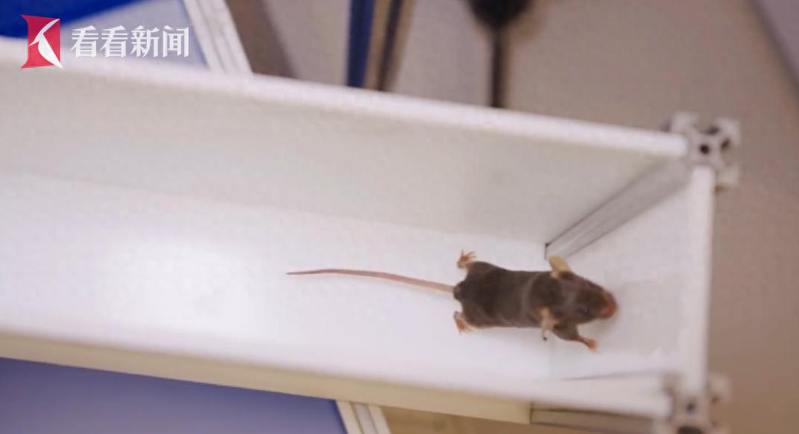
It's called "creating 101" in the rat world. Three hundred candidates were screened by six demons over 60 days: a stow-tail test to make a fish-and-fish rat appear, a rod-and-shape experiment to force the master of balance, a maze specializing in road dementia, and balancing wood training to phase out a “protest rat”. The final winner, eight “selection rats”, was four in orbit and four in a location to build a complete database of space physiology through comparative research. The four who get the space shuttle ticket are not only adapted to microgravity floats, but also social normality in space -- - after all, it affects scientific data。
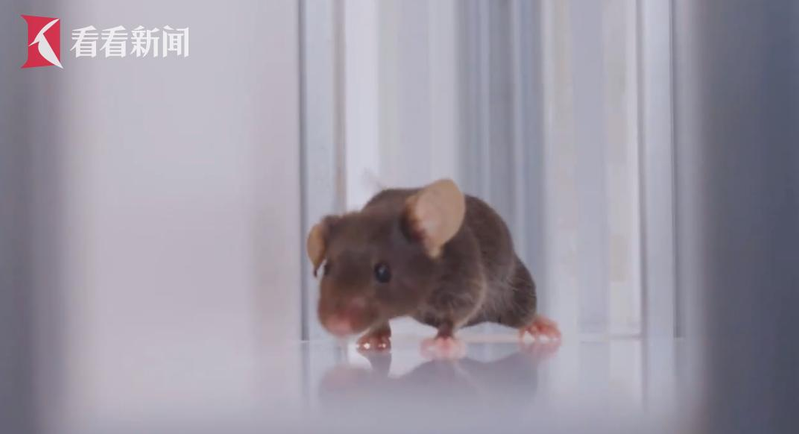
But why do we choose the black mouse instead of the "rat" that's common in medical experiments? This seems to be a simple choice, precisely what space science means。
Black rats are the direct descendants of wild mice, with more diverse genes and biological reactions closer to mammals in their natural state. Black rats provide a wealth of scientific data that are closer to real biological reactions to space environment research than rats with long-term artificially selected and highly genetically purified rats. In exploring unknown physical reactions in space, scientists need biological samples that are as comprehensive as possible, rather than “standardized products”. When humans move into deep space, what they need to understand is the real response of life in the space environment, rather than the particular manifestation of particular species. Each of the data obtained by these mice in space will build valuable experience for the future long-term space presence of humankind。
Every choice of detail on the way to the stars and seas carries with it the deep reflection of mankind on the stars and seas. These furry astronauts are expected to help humans eat through the scientific “hard bones” of long-term space survival。

Look at the press: