Water is the purest gift of nature. However, once it is loaded into various bottles with different labels, it is no longer merely “water”, given stories, identities and prices。
On supermarket shelves, mineral water, snow mountain water, glacial water, natural water, volcanic water, infant water, pure water ... Are so diverse and confusing. What's the difference between these different types of bottled water
Real mineral water
In fact, according to national standards, there are only two types of bottled water available on the market: drinking from natural mineral springs and packaging of drinking water。
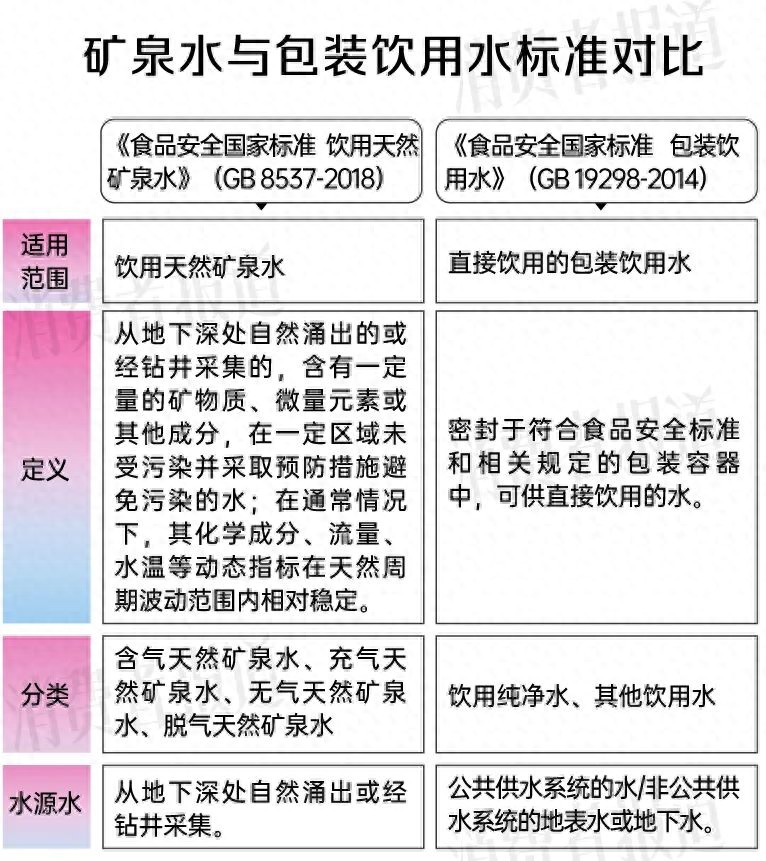
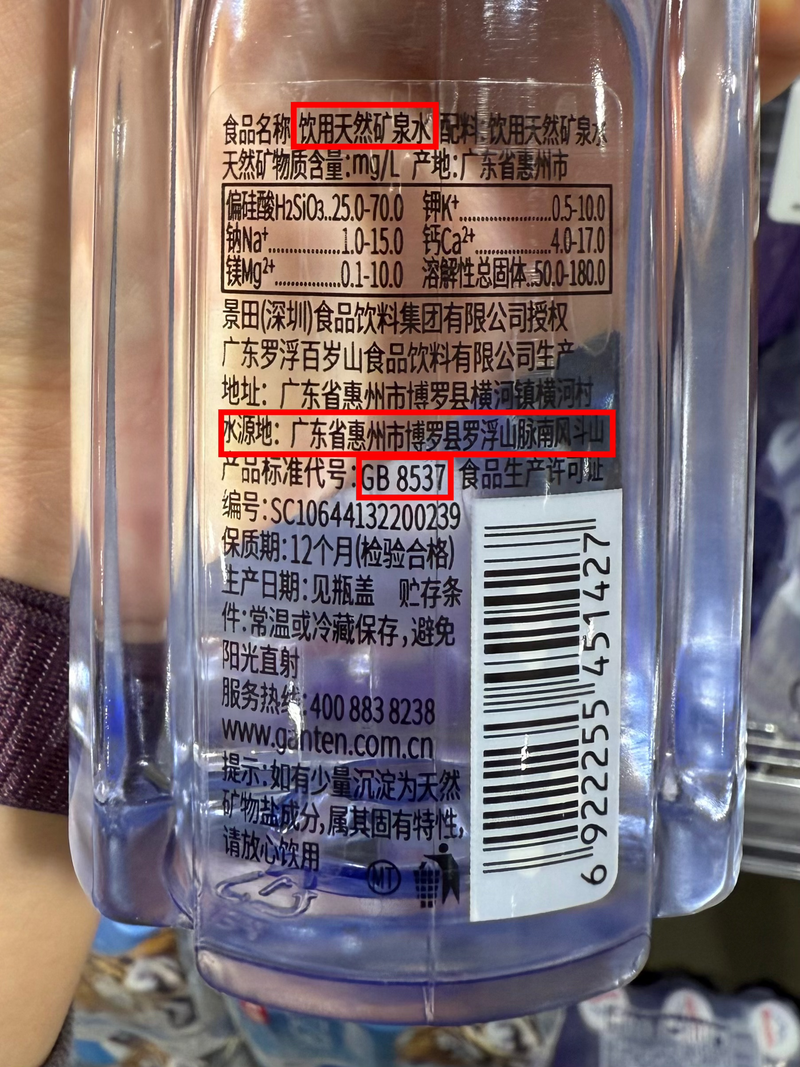
The use of natural mineral waters is carried out by the state under the national standards for food safety. Drinking of natural mineral waters (gb 8537-2018) means that dynamic indicators such as chemical composition, flow, water temperature, etc. Collected from the deep underground or drilled wells, which contain a certain amount of minerals, trace elements or other components, are not contaminated in a given area and take precautionary measures to avoid contamination of water; in general, their chemical composition, flow and water temperature are relatively stable within natural cycle fluctuations. Among the products, drinking natural mineral water is divided into four types of gas-containing natural mineral water, gas-inflated natural mineral water, gas-free natural mineral water and natural extraction water。
According to gb 8537-2018, drinking water from natural mineral springs must be packaged near the water points, water from the water sources must not be transported to a different area in containers, and the natural mineral water points must be marked on the labels of prepackaged products。
Consumer reporter
The national standard for packaged drinking water is the national standard for food safety. In contrast, the packaging of drinking water is a broader category, divided into two types of pure drinking water and two types of other drinking water, but the criterion does not further refine how “other drinking water” is marked。
However, the general drinking principles (gb/t 10789-2015) break down other drinking water into natural springs, drinking natural water, mineral water, etc. Thus, with the exception of mineral water, bottled water is mostly packaged drinking water。
63 bottled water comparison: mineral water price difference of 716 times
To assess information on the price of the mainstream bottled water market, water sources, etc., consumer report compared 63 bottled water items in 24 well-known brands, including 33 mineral springs and 30 packaged drinking water。
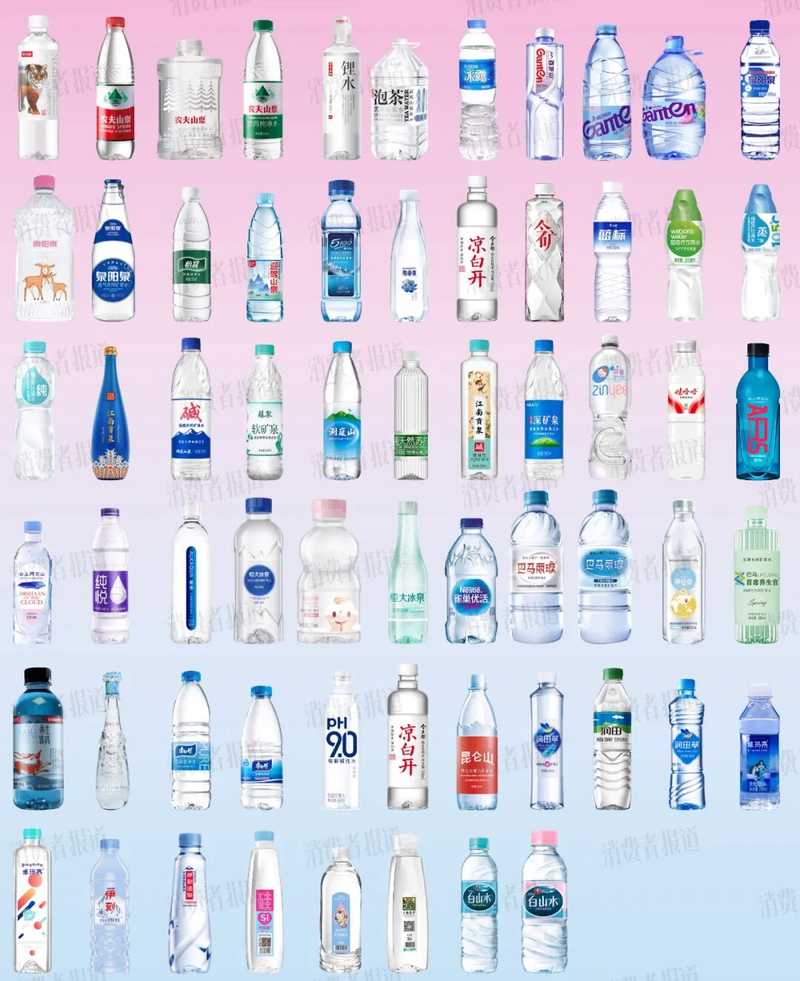
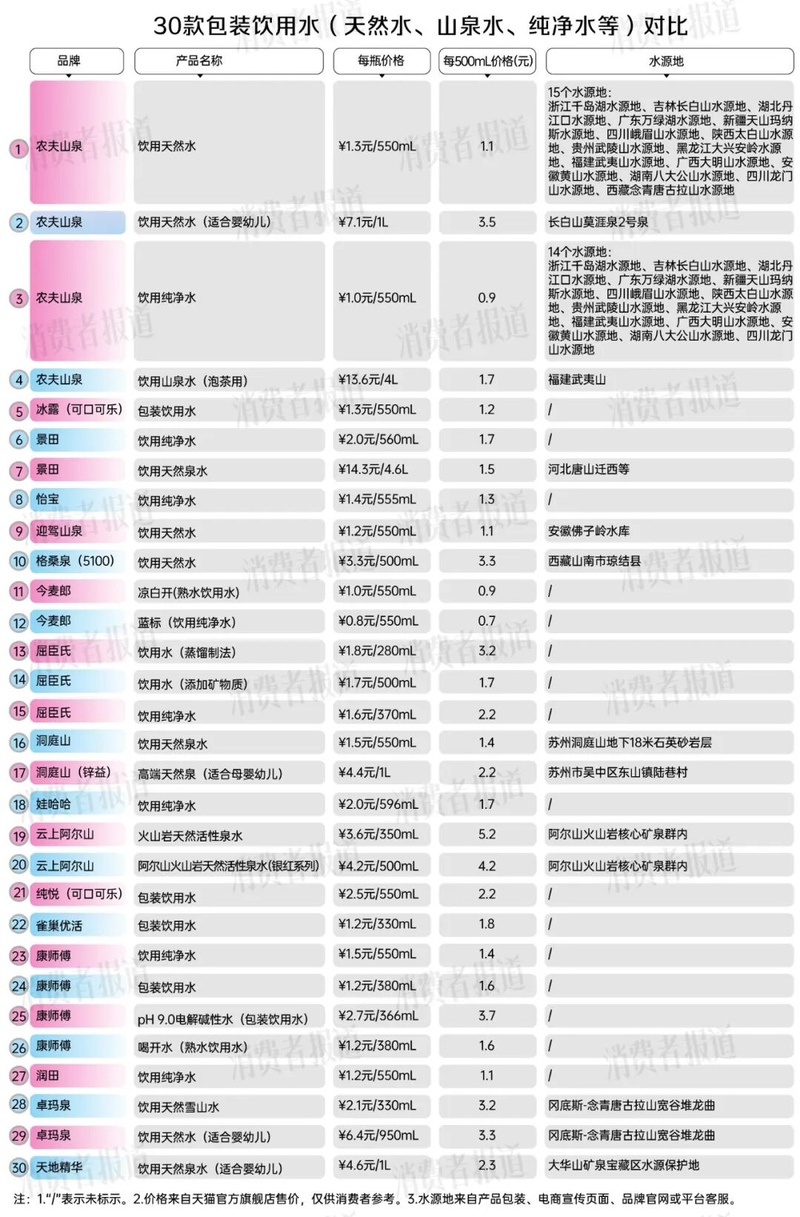
After conversion to 500 ml prices, the price range of mineral water is as high as 716 times (ranging from 1. 2 to 859 yuan), with a median price of 2. 1 yuan; the price of packaged drinking water is concentrated between 0. 7 and 5. 2 dollars, with a median price of 1. 7 yuan。
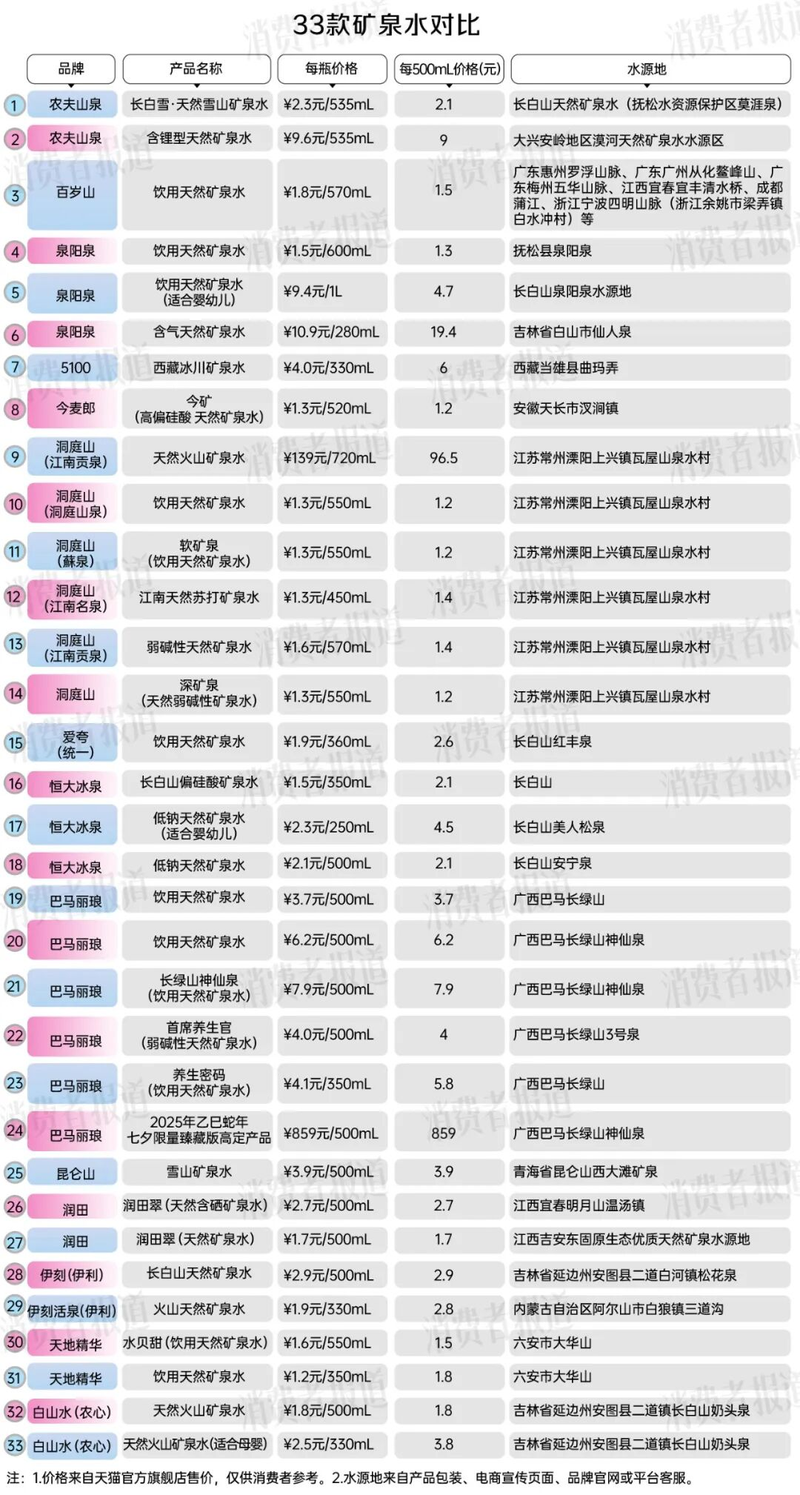
In terms of transparency of water source information, the 33 mineral springs in this comparison clearly indicate the water source (in line with national standards) and less than half of the 30 parcels of drinking water are marked. In particular, most of the packaged drinking water marked for water sources is for items that emphasize natural properties, such as spring water, natural water, while those that are processed manually, such as pure water, mineral water, distilled water and cooked water, are generally not marked, mainly because their sources are public water systems (e. G. Piped water) and not their marketing priorities。
33 mineral springs: nearly half of it comes from long white. Mountain
Of the 33 mineral waters, there is no more frequent source of water than the “white mountains”. This trend is even clearer in terms of the specific brand layout: the white hills hossein county, which is located northwest of white hill, brings together long snow (farmer springs), springs and springs, and the yantu county, which is located north of white hill, attracts brands such as white hill water (farm heart), ike (illy)。
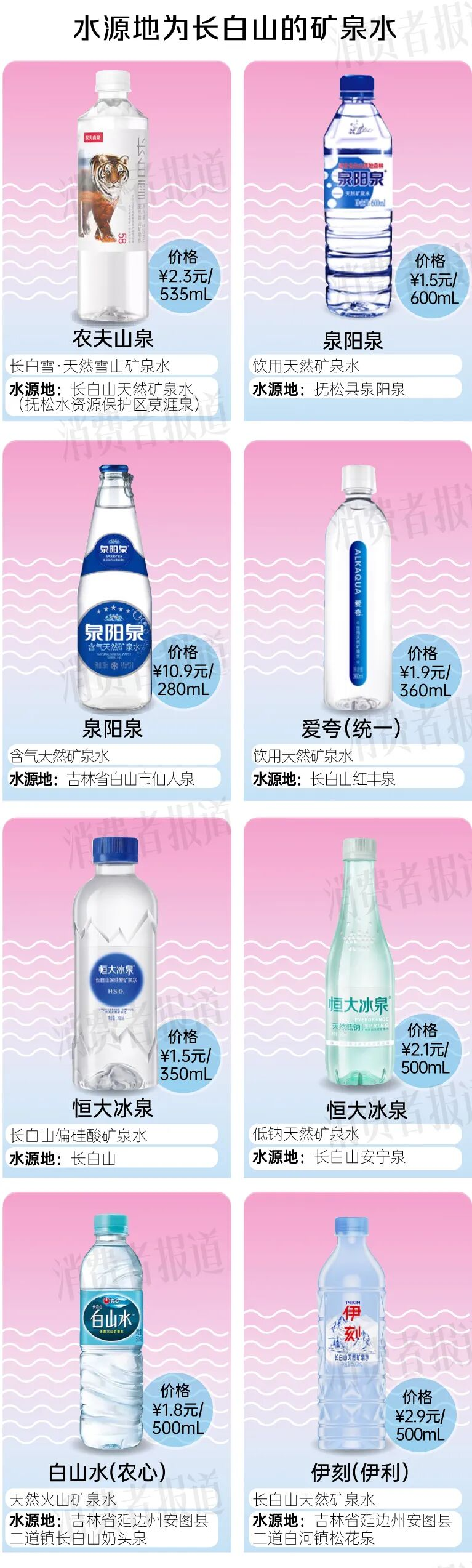
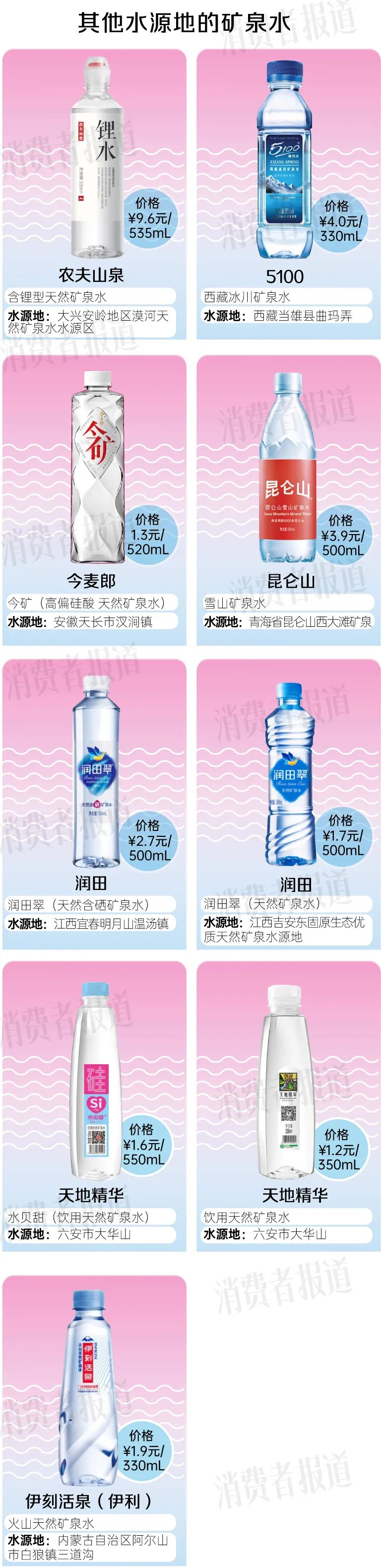
In addition to the long white mountains, water plants also depend on the unique water supply conditions of other sources of water, creating a differentiated market layout. For example, the water source of the river with lithium-based natural mineral springs in the farmers ' mountain springs is the river of desert in the booming angyan region, the water source of the natural mineral springs of the ikkar spring (ili) volcano is the arshan of the inner mongolia autonomous region, and the water source of the 5,100 tibetan glacial mineral springs is the qurma of the tang yu district of tibet。
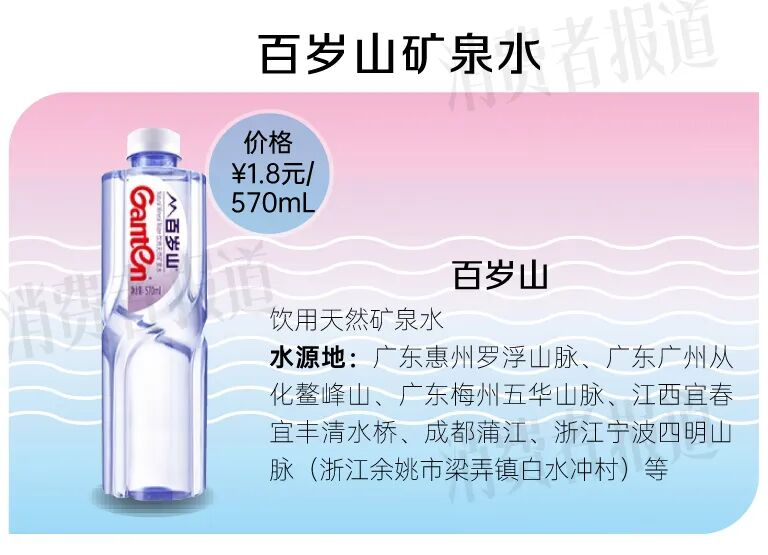
Since natural mineral springs are highly dependent on water sources, it is common practice within industry to ensure the stability of water quality and taste through “one-point construction”, i. E. The production of the same product in a single water source. But the 100-year-old mountain is an exception. The consumer report combes that the 100-year-old mountains on the market drink natural mineral water, including the rofou mountains in guangdong, guangdong, from the mount of vertigo, the hua mountains in guangdong, and the fungqing bridge in jiangxi, ichicheng. Information from its official network indicates that the 100-year-old mountain also includes a production base along lake galda, italy, although the products of the site are mainly supplied to overseas markets。
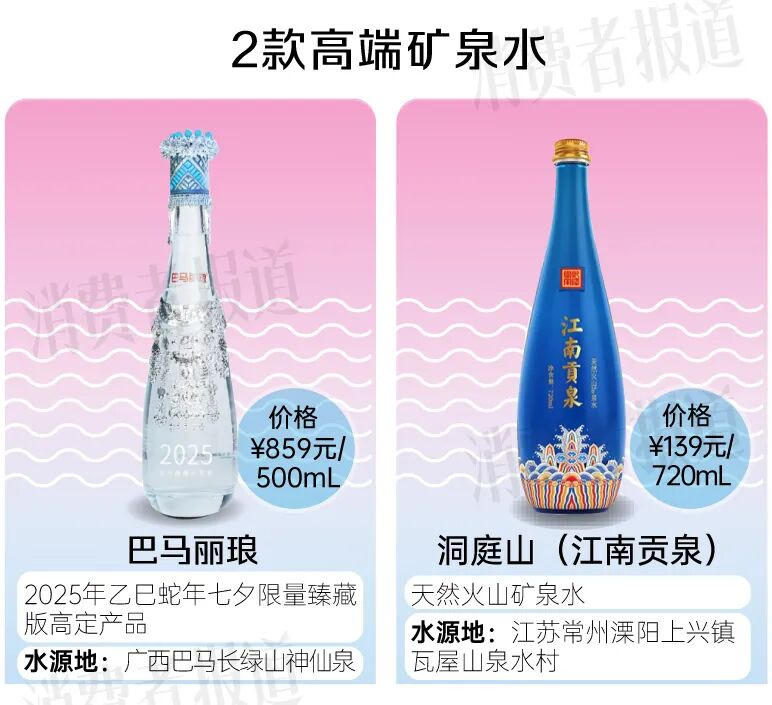
In contrast to the 100-year-old mountains, the same water source is shared by a variety of mineral springs in bamariyan, the toyako cat flagship shop. Of these, five mineral waters are being sold by bamallion from the green mountain in guangxi and five products from the water springs of wakao hills in hoangyang, haoyang, jiangsu chang state。
The official guest service of the bamariang flagship confirmed in the consumer report that “the water source for mineral springs under the brand is the same place except for soda”. It added: “the excellent ranking of water quality is blue (foundation of pamarion) > red (pamallion) > green (green mountain) ”. The official customer service at toyakoyama flagship also responded to journalists that, while the water source for different products was marked as the same, the springs of origin were different and the abundance of mineral nutrients varied。
With regard to water sources, the consumer report sent letters of interview to bamariang and toyakoyama, but no response had been received as of the date of the submission。
It is noteworthy that both brands have introduced high-end mineral spring water, which, although derived from the same source of water as its common product, is converted to a unit price of 10 or hundreds of times the average product。
Among them, the price of natural volcanic mineral water (720 ml) in toyakoyama (kangnam gunpen) was us$ 139 per bottle, claiming that “it was awarded the gold prize of the 106th united states pacific expo in panama, 2021”, and that the product was packaged in “a glass bottle that the european aristocrats love”. In contrast, in 2025, the volume of high-fixed products (500 ml) was limited to 859 yuan per bottle, with a production date of “7th of july 2025”, claiming that “77 bottles of bad products were sold” and that, as of 26 november 2025, the product showed “1 sold” at skycat flag。
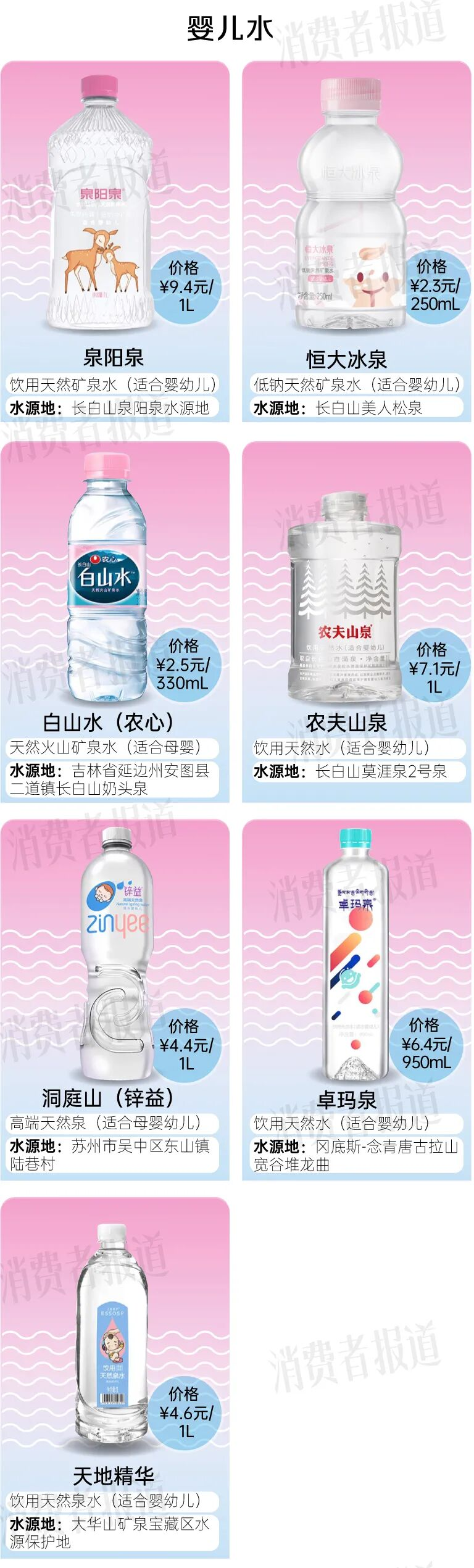
In addition to the daily drinking of mineral water, in recent years, many mineral water brands have introduced “baby water” specifically designed for infants and young children, as consumption has escalated and attention has been paid to precision parenting. At present, “baby water” products have been introduced in seven brands, namely, springs and springs, the grand ice springs, white hill water (farming heart), and farmer springs. Although they fall into different categories, such as mineral water, mountain water and natural water, the advocacy focus is on the concept of “low sodium” “light mines” “commercial sterile”. The average sale price for this type of “baby water” is $3. 5 per 500 ml, slightly higher than the average bottled water。
Section 30 packed drinking water: pure water, cooked water, mineral water with virtually no water land
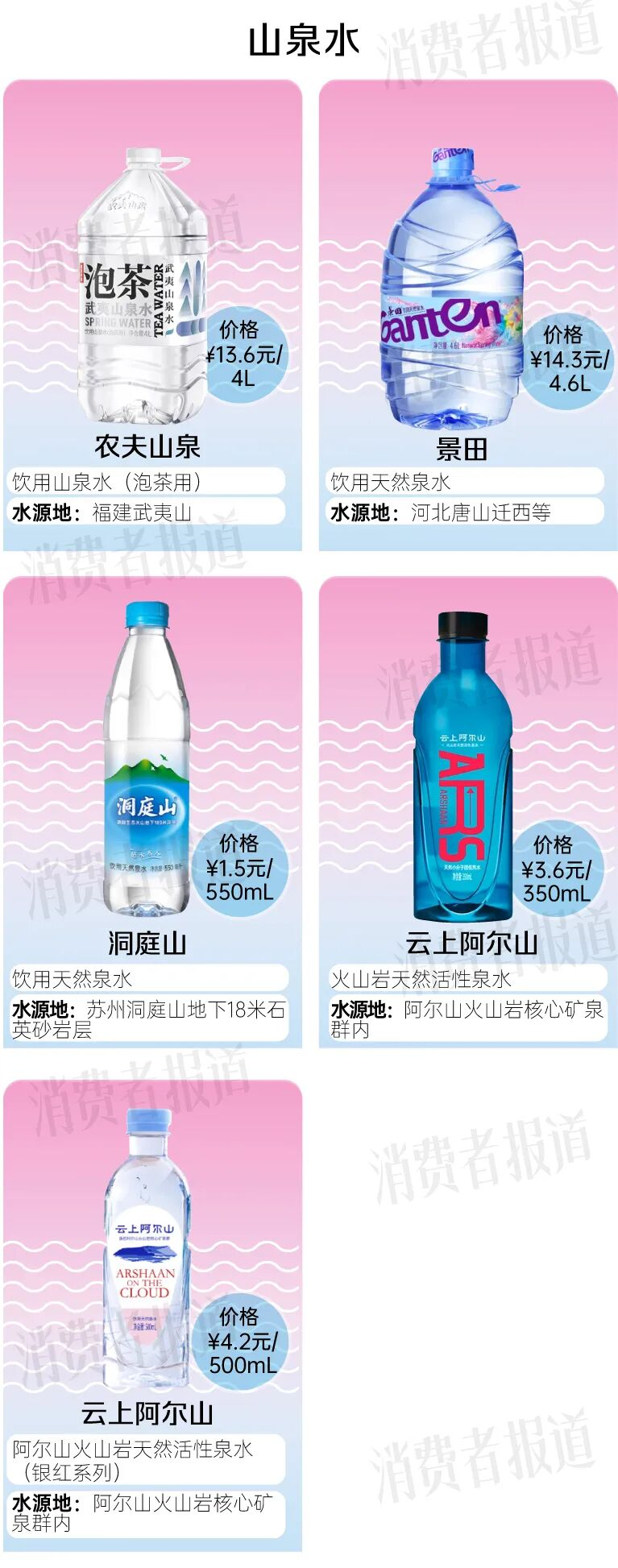
Currently, the national standard gb 19298 does not make the packaging of drinking water compulsory to indicate the source of water, but some brands also choose to mark overpacks, as quality water sources are important outlets for high-quality drinking water. Among the 30 parcels of drinking water we have collected, products that clearly point to water sources are concentrated in mountain springs and natural water types that emphasize natural properties。
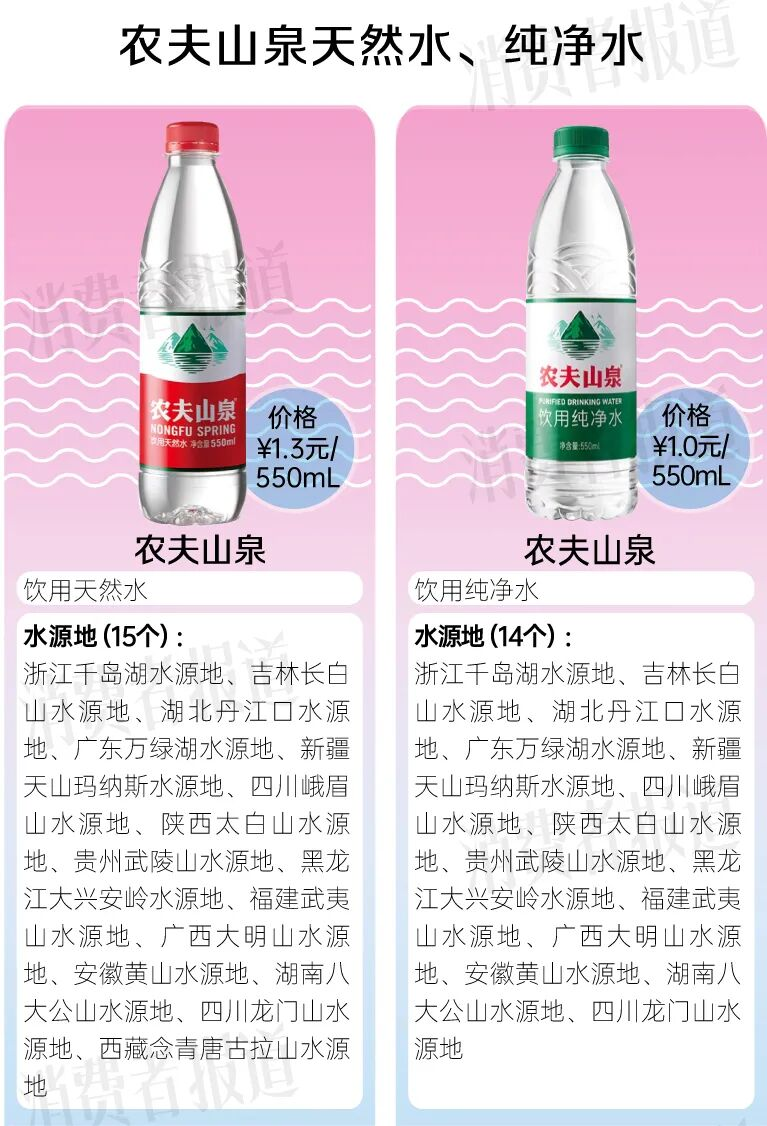
In the case of farmers, for example, there is greater transparency in the disclosure of water source information, with both natural and pure water from red and green bottles clearly indicating specific water sources. According to statistics, its drinking of natural water (red bottles) has up to 15 water sources, while its drinking of pure water (green bottles) has 14 water sources。
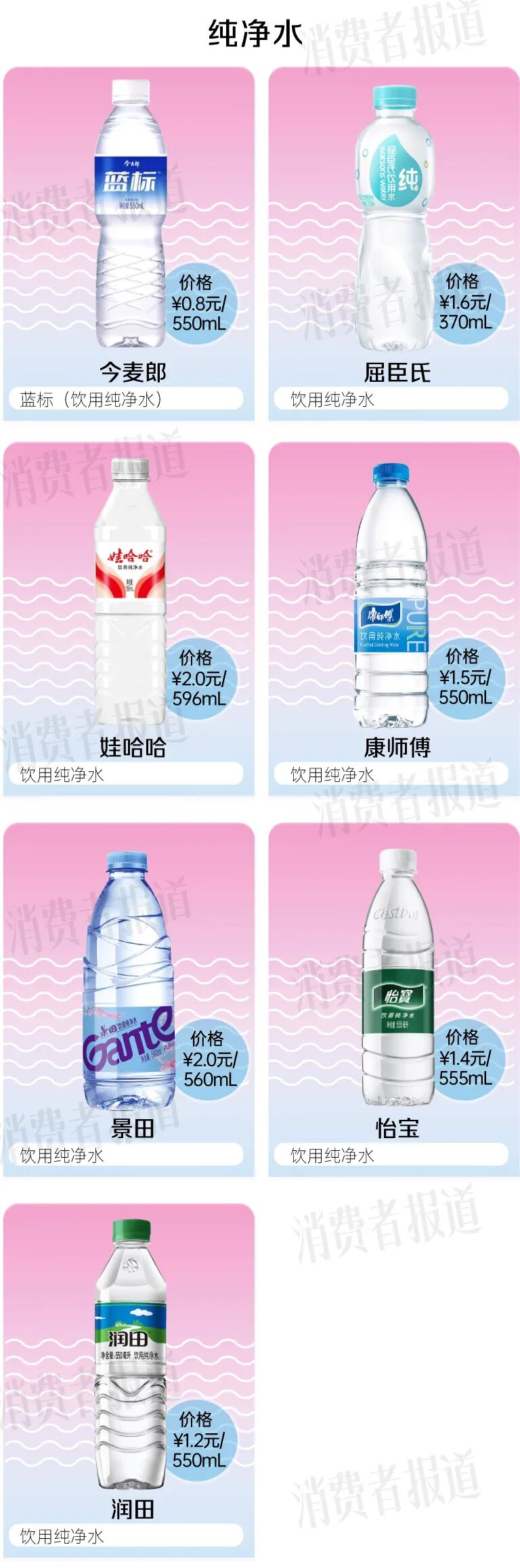
In contrast, pure water types are mostly silent on information about water sources. Of the 30 water parcels in this comparison, 8 are pure water. Only the farmers' springs have made public information about their sources of water, which is not marked today by mallan, tsilens, wahaha, etc。
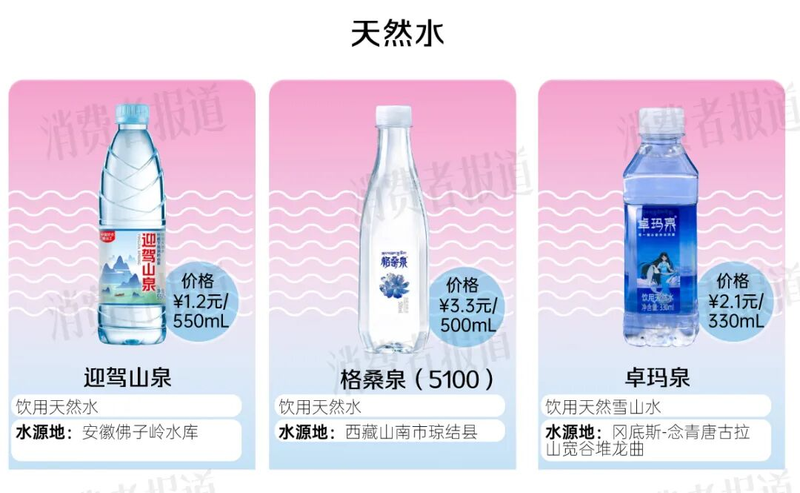
Natural water brands provide endorsement of their “natural” properties by labelling specific water sources. In the case of mountain springs, gesang springs and zuma springs, they are marked by water sources as the anhui buddha springs reservoir, joanj county, south tibet mountain city, and the songs of the grande grande of the tangura mountains。
The water is also labeled as a “coding” of mountain water brands. For example, the rural springs are watered by mountain springs (with tea) for the purpose of building the wu zhi mountain, and the cloud-mounted mountain of al is located within the core mineral reservoir of mount al。
A food trader reported to consumers: “purpose water is generally not a water source, usually because its source is urban running water, and after treatment, the water source is no longer important, and its selling point is the purity achieved through modern water treatment techniques, such as re-infiltration of ro. But unlike the natural water and the spring water, water sources are its core values, and quality water sources can build consumer trust and support product premiums. For example, in tibet and the long white mountains, water sources themselves carry natural, pure perceptions that can effectively enhance brand image.”
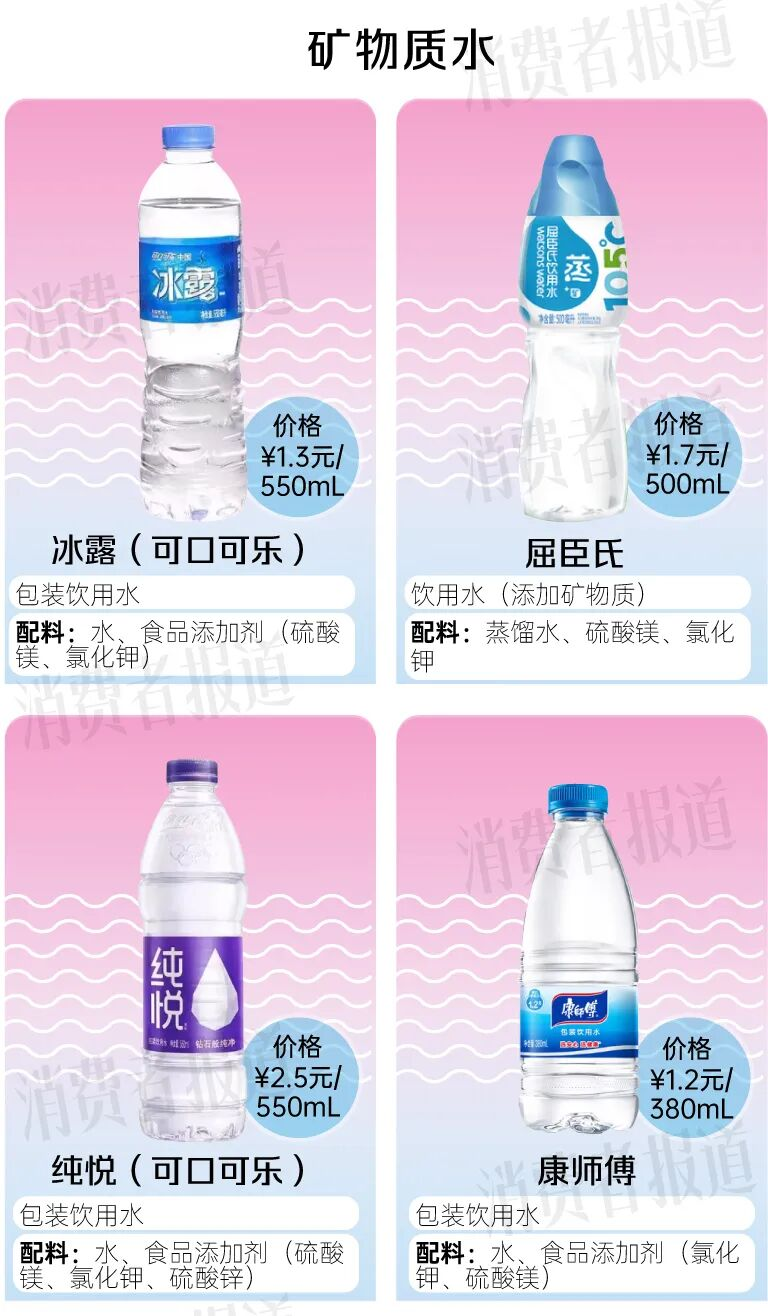
In addition, out of 30 bottled water, four are mineral water for artificially added minerals. Of these, potassium chloride and magnesium sulphate have been used as a source of potassium and magnesium by ice dews (cola coca), crüntens and master con, and pure fun (cola) has added zinc sulphate to the above。
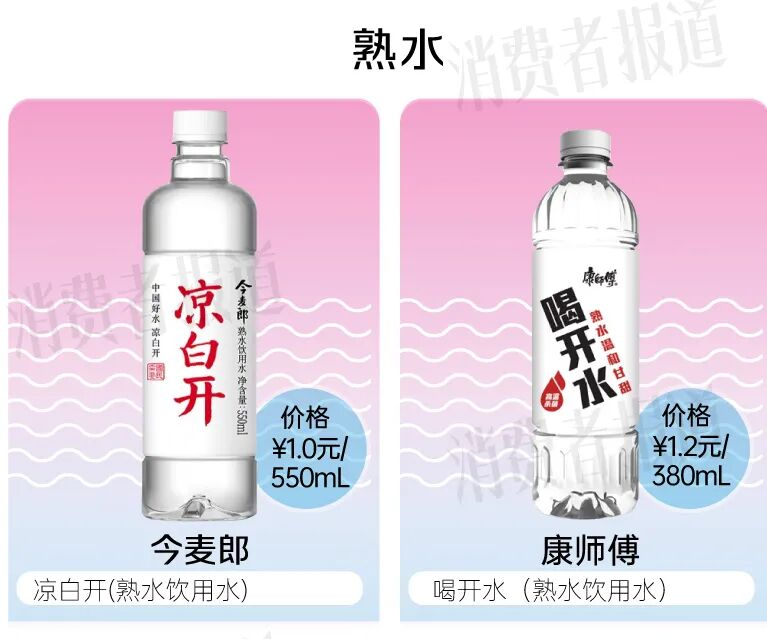
In the well-preserved category of water, today's merco-opening and water-opening techniques emphasize the heat-killing process, the former declaring that “9. 6 seconds of ultra-heated cortification technology” is “more suitable for chinese humans”, and the latter highlighting the sense of “temperature and sweetness” brought about by “high-temperature boiling”。
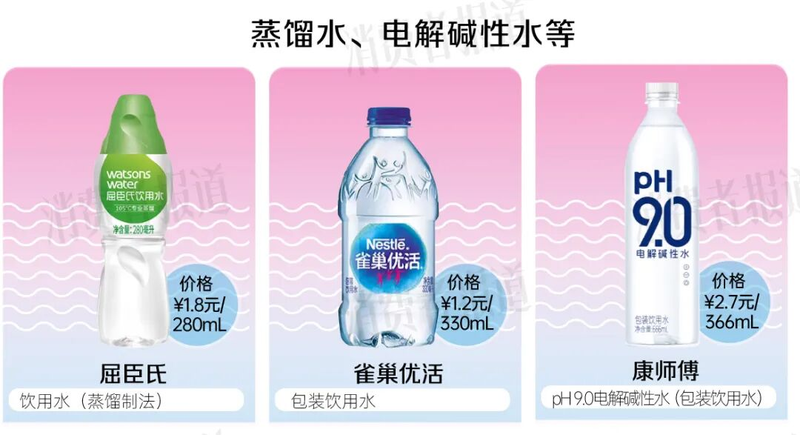
Packaging drinking water is a large family and covers not only the pure water, mountain springs, natural water, etc. That is common in the market, but also special-processed categories such as distillation water, electrolytic alkaline water, etc. For example, kürnberg's drinking water (the distillation method) claims to have been filtered, distilled, condensed and injected in a four-step process with a distillation temperature of 105°c, aimed at obtaining clean to pure drinking water. For example, master kang ph 9. 0 electrolyte alkaline water, the ph is precisely controlled at around 9. 0 by specific electrolytic processes, with emphasis on “remaining alkaline”。
How do you choose bottled water? A middle-aged housewife, ms. Wu, said to consumer report: “the house is equipped with a water purification device, and it is only when there is an emergency outside that a bottle of water is purchased. It's usually a big brand that looks familiar, and it's not very good to see what kind of water it is.”
The long-distance truck driver, master zhao, usually buys a whole box, saying, “anytime cheap, buys it.” “my wife often helps me to hoard water through a community group, which occasionally makes a big deal. But if you're finished on the road, just buy some at the gas station, so you can get out of your thirst." he explained further。
Unlike ms. Wu and master zhao's “buddhist department”, the third college student nicole (alias) has a lot to say. She prefers to drink mineral water, which she considers sweeter and healthier. Not only is she concerned with the products, but she has a clear preference for the water source: “the water in the al and long white mountains is indeed more clear”. In terms of prices, she is willing to pay a premium for high-quality domestic mineral springs: “some imported mineral springs are worth a few dollars a bottle, while those of comparable quality are much more pro-people”
However, when asked whether it would purchase a limited amount of nearly $1,000 of mineral water, all respondents expressly refused. One interviewee put it bluntly: “i can't afford this `day price water' or understand its value”
The name of bottled water on the market, even though it is ingenious, returns to the nature of the water, not only as “mining water” but as “packaged drinking water”. As consumers, understanding the product standard number and understanding the differences between water sources and processes allows them to choose a suitable bottle of bottled water according to their real needs。