According to data published on 10 july by the national institute of statistics of xinhuai, shanghai (aiping chen, anna and wang chunxia), in june the price index continued its low performance. Of these, the national cpi (consumer price index) has declined seasonally and continues to increase over the same period; the national ppi (producer price index of industrial producers) has decreased, and the decline continues to shrink over the same period。
With regard to the cpi, which measures changes in consumer prices, the chief statistician of the urban division of the national statistical office (nso), li xian, described the decrease of 0. 2 per cent in the national cpi ring in june, an increase of 0. 1 percentage points over the previous month. Factors affecting the short-term decline of the cpi include the price of food and consumer goods. Some of these products are concentrated in seasonal vegetables, vegetables, potatoes, fresh fruit and shrimp crabs, with seasonal declines of 7. 3 per cent, 4. 8 per cent, 3. 8 per cent and 2. 4 per cent, respectively, affecting a combined reduction of about 0. 25 percentage points in the cpi ring ratio, and decreases of between 0. 8 per cent and 1. 3 per cent in the price of automobiles, household appliances, recreational consumer goods, etc., as a result of the promotion season。
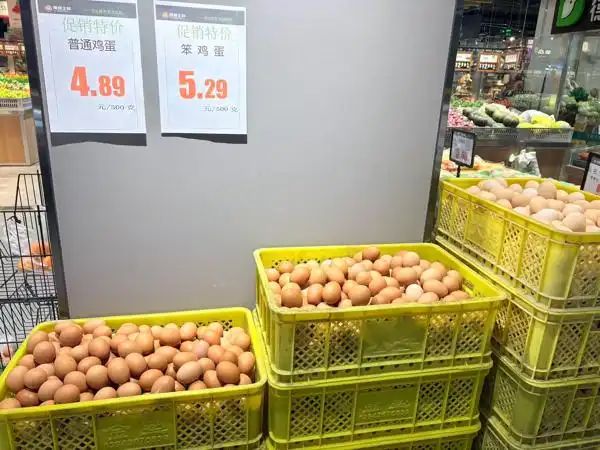
The short-term rise in the cpi is influenced mainly by the prices of pork, transport, etc. Of these, in june, the supply-demand nexus affected a 11. 4 per cent increase in the price of pork, which affected an increase of about 0. 14 percentage points in the cpi ring; and an increase in the number of trips towards summer holidays, which increased by 6. 4 per cent and 2. 5 per cent, respectively, in the cost of transport charters and airfares。
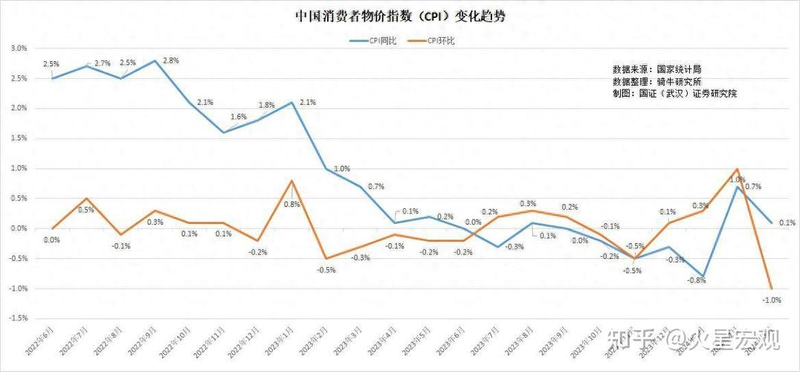
In terms of year-on-year changes in consumer prices, the cpi rose by 0. 2 per cent in june and by 0. 1 percentage points from last month. Of these, food prices fell by 2. 1 per cent compared to the increase of 0. 1 percentage points last month, affecting the cpi by about 0. 39 percentage points the same year; non-food prices have declined, as have fuel and new energy cars. In june, the change in the cpi ratio of 0. 2 per cent, the impact of the tailings was estimated to be about 0. 2 percentage points, and the new effect of price changes this year was about zero。
Researchers at the department of macroeconomics studies of the centre for development studies of the state council believe that, in june, the cpi ratio was scaled up, with narrow increases in comparison with the same year and affected mainly by fluctuations in food prices, indicating that the level of food and basic consumer goods security in the country is relatively good and that prices remain low and stable, providing important support for basic human security。
Ppi, which measures changes in industrial prices, is also the “leading” data for economic production. Statistics show that, in june, the national ppi moved from a 0. 2 per cent increase in last month's ring to a 0. 2 per cent decline in the ring; the same decrease was 0. 8 per cent, or 0. 6 percentage points less than last month. Among them, the value of the means of production decreased, but the decline was narrow; the price of the means of living decreased。
“the june ppi year-on-year decrease was significantly narrowed, mainly due to external price transmission, last year's low base effect. After removing these two factors, the downstream demand of our industrial enterprises remains weak, mainly in the area of equipment manufacturing and durable consumer goods.” the chief economist of china national bank said that, overall, the ppi movement in june was in line with market expectations。
The cumulative data show that, on average, the national cpi and ppi increased by 0. 1 per cent and decreased by 2. 1 per cent, respectively, over the same period of the previous year. Overall, the price index remained low in the first half of the year, with consumer prices rising well below the target of 3 per cent for the entire year。
How does our cpi and ppi run in the second half of the year
The shanghai university of finance and economics recently published the china macroeconomic situation analysis and projections report 2024, which concluded that food prices would rise in the second half of the year, influenced by factors such as the pig cycle and the recent heavy rains in the weather, leading to an increase in the cpi over the same period. The report analyses the effect of pork prices on cpi to reach about 0. 3 to 0. 7 percentage points. However, excluding food factors, cpi movements depend on the recovery of domestic demand。
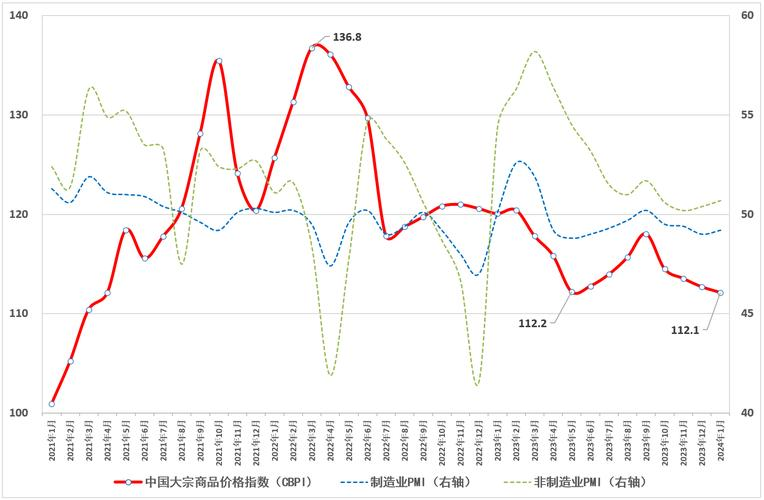
Wein bin predicted that the fall in our ppi would narrow the technical slope in the coming months. In addition, the driving force of higher external commodity prices may be diminished and the importance of a rebound in domestic demand increases. As a result, it is expected that our ppi will still take some time to move out of the negative zone, which is expected at the end of the year or in the first quarter of next year。
Zhang suggested that high priority should now be given to the lack of effective demand. He suggested that macro-policy countercyclical and cross-cyclical adjustments should be intensified, that government investment, particularly in infrastructure and public services, should be significantly strengthened, that corporate orders should be boosted, that business production and employment should be boosted and that domestic demand should be boosted。
Jumei, a member of the shanghai university of finance and economics macro team and a professor at the school of economics, suggested that, at a critical time when macroeconomic development was moving towards a new equilibrium, efforts should be made to put in place a combination of macroeconomic policies that would contribute to the recovery of the economy and the steady consolidation and strengthening of the positive dynamic. In the short term, a more proactive and robust monetary policy is being pursued while optimizing the structure. In the long term, high-quality development on the supply side is driven by the importance of new quality productivity。