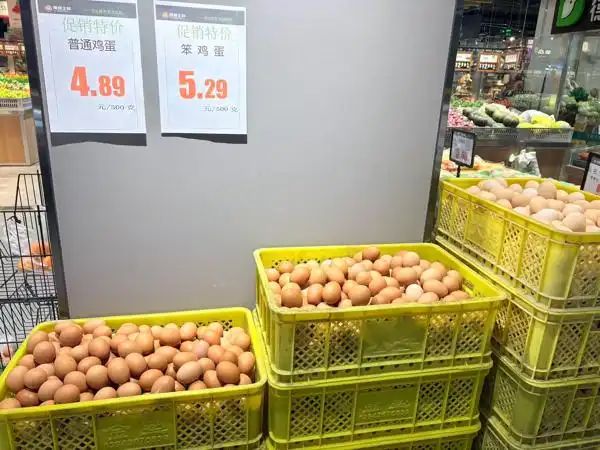
With the gradual recovery of the global economy, demand is accelerating, which has also contributed to the continued rise in food prices. Japan has recently experienced high prices for agricultural by-products such as edible oil and wheat flour, as a result of the widespread rise in international agricultural prices. This not only places new burdens on local consumers, but also makes it difficult for retailers caught between supply and demand。
Japan's by-product prices are high
At the age of 52, hiroro akiha started running the mini-food supermarket in the old alley of tokyo 30 years ago. As many customers are well-known neighbourhood neighbours, autumn leaves always adhere to the principle of thinness in selling goods and making money from doing business. But since the spring of this year, the price boom in the external market has blown into the shop. The price of imported foods such as sugar and butter in shops has recently increased by 3 to 10 per cent, and the price of eggs has risen to 225 yen per 10 items, about 13 yuan, twice as high as at the beginning of the year。
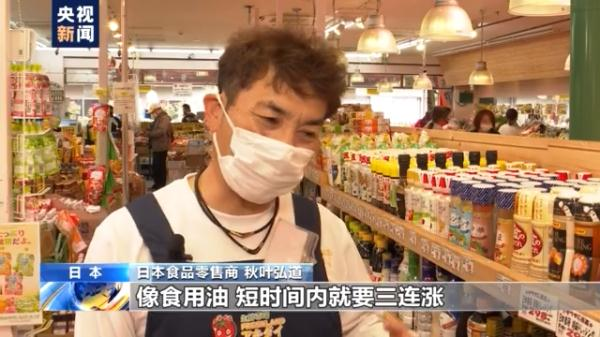
Japanese food retailer akiha hirodo: now, because of the epidemic, many of the customers' incomes are falling, and i really want to try to lower the price so that their lives can be a little easier, but the cost of buying is too high, like oil to eat, and it's going to increase three times in a short time。
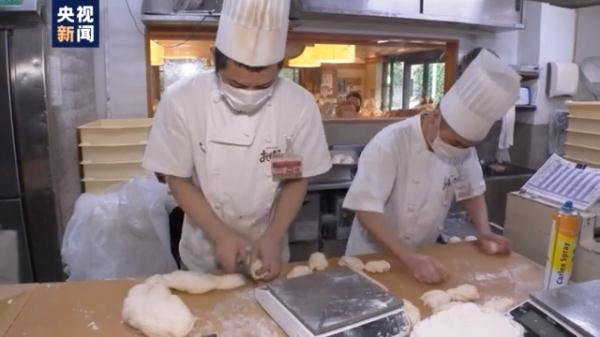
Autumn leaves also operate a small bakery not far from the supermarket. However, since april this year, the price of wheat flour as a raw material for bread has risen by nearly 6 per cent each year, to 52,000 yen per ton, approximately 3070 yuan, and it is expected that another round will start in july this year, putting pressure on autumn leaves. In the event, the fall leaves had to eliminate the concessionary return activities that had lasted for 10 years and to start studying the price increase programme。
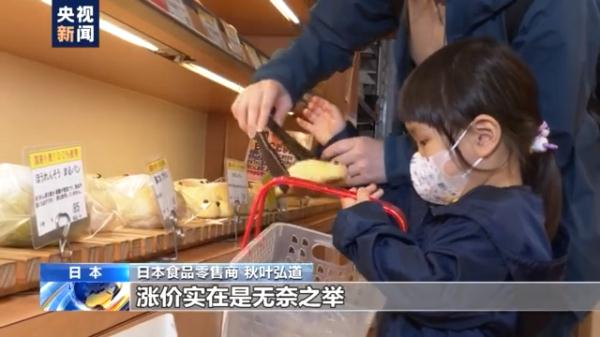
Autumn food retailer: the whole feeling is that the turnover won't win the price increase for raw materials, just making a little money, filling in wheat powder, eating oil in raw materials。
According to data published by the food and agriculture organization of the united nations (fao), the international food price index rose by 1. 7 per cent in april this year, to a level that has been high for almost seven years. Against the backdrop of high international food prices, domestic agricultural by-product prices in japan are expected to remain high in the short term。
Food prices are rising
Similar to japan, food prices in korea have recently risen, putting considerable pressure on many korean restaurant operators. In order to control costs, many korean restaurant operators had to increase the price of vegetables. In a number of restaurants in seoul, prices of hot vegetables, including pickles, pasta and cold noodles, have begun to rise。
This is a hot and hot shop near a university in seoul, korea, and the owner is worried about the price adjustment. The shop is well known in the vicinity for its fresh food and material prices and attracts young groups such as university students. Since the outbreak last year, the prices of some of the country's vegetables and meat have risen, although small shops have not increased in order to maintain their customers。

We've never gone up since we opened a restaurant in seoul, because there's college students around, there's no money。

The rent of shops near schools was higher, and the cost of food supplies is now even higher, and the business would not be sufficient if prices were not raised。
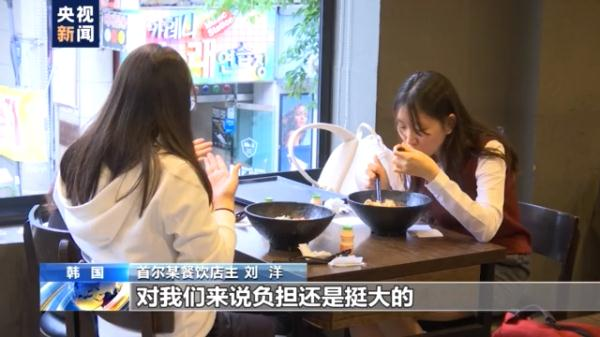
Even if the price rises, some of the expensive foods that need to be used are quite affordable for us. A lot of other shops are closed now。
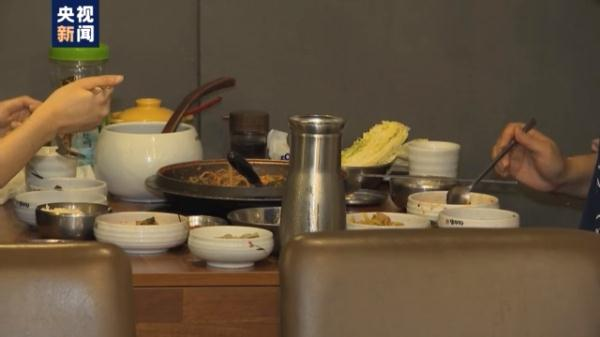
According to industry analysis, the increase in food prices is due to higher international food prices on the one hand and adverse domestic factors such as avian influenza and bad weather on the other. It is understood that, for the time being, the cost of food products already accounts for about 40 per cent of the average operating cost of korean restaurants。
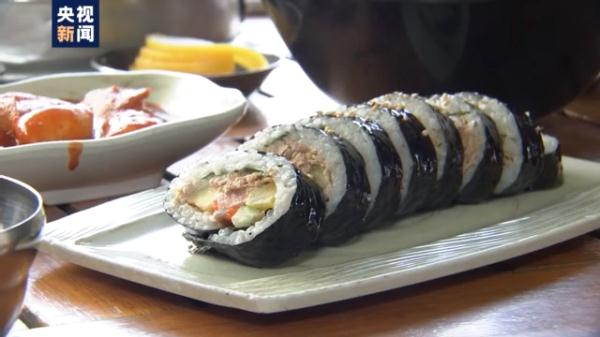
A number of korean food stores have begun to raise prices, like the one that koreans like to eat when they go out for dinner. In april this year, the average volume price was 2,500 won, or approximately 14 yuan yuan, an increase of 4. 4 per cent over the same period, which represents the largest single month increase since november 2019. The prices of popular food items, such as cold noodles, pasta cakes and steak soup, have also increased by more than 2 per cent。
South korea's food prices are rising
The rise in food prices in korea's current round has led many koreans to say that pressure from the “basket” has increased, with apple prices now rising by more than 50 per cent compared to the same period last year, at a retail price of 8,000 won and approximately 46 yuan。
The general rise in food prices in korea has caused considerable distress to koreans. Data released by the korea bureau of statistics on 20 march show that, after taking into account price increases, the monthly real income ratio of korean households decreased by 0. 7 per cent in the first quarter of this year, the first negative increase in three and a half years。

Seoul city: prices are rising so hard, people are living so hard, the epidemic is rising prices。
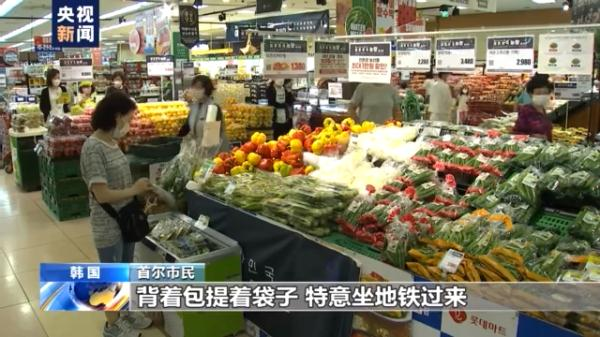
Seoul citizen: it's too expensive to buy at a community supermarket, but it's too expensive to come to the market, and you look at other housewifes, with bags and bags, to sit on the subway。

Owing to concerns about the continued spread of rising prices, the korean ministry of agriculture, livestock and food recently convened a conference on supply and demand responses for agricultural and livestock products, which decided to import an additional 40 million eggs this month and to enter the market earlier in order to reduce the burden of household expenditure by expanding reserves such as onions and onions。