Xinhua news agency, beijing, october 22, question: is food more expensive than meat? Look behind the recent increase in vegetable prices
Xinhua correspondent wei yukun, zhang zhilong, zou dao, yu wengqing
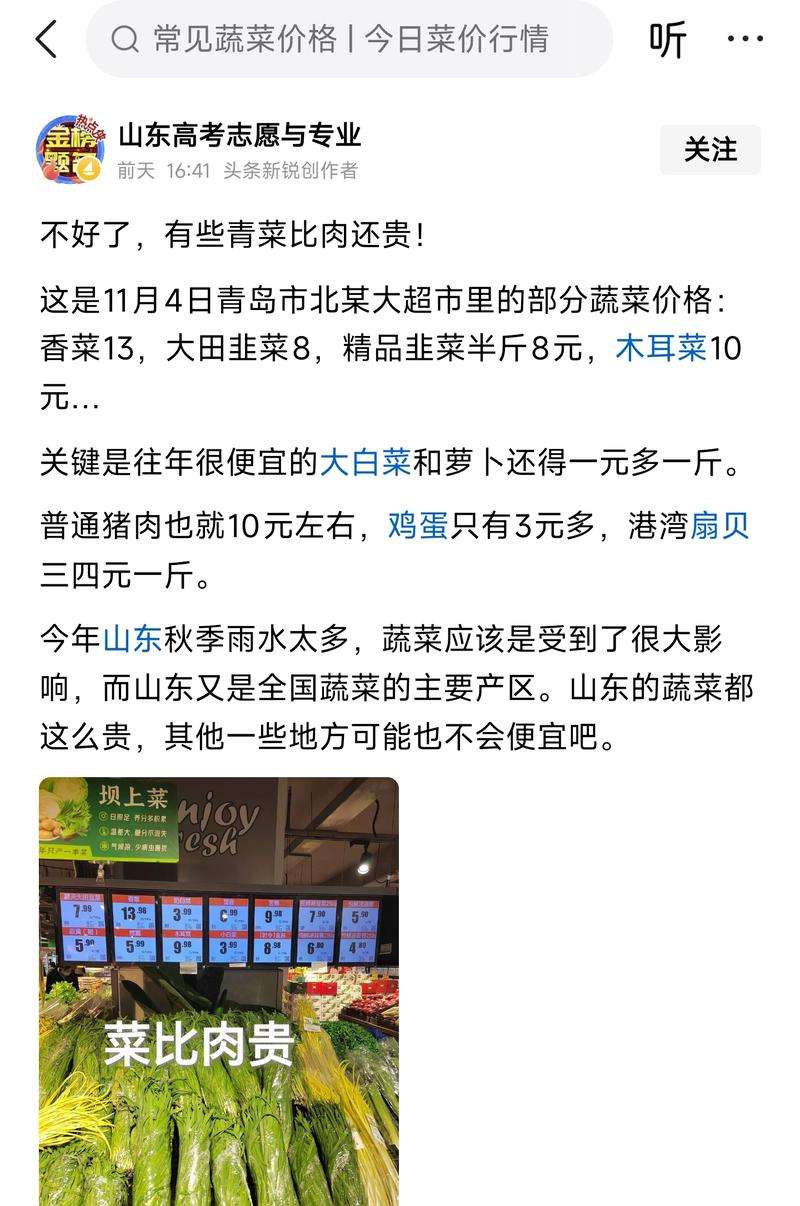
“a lot of food is more expensive than meat”, as many consumers feel after the fourth of july。
Journalists have visited vegetable production sites, wholesale markets and businesses in recent days to find that the price of vegetables, such as spinach and cucumbers, has risen or will continue to rise in the future, owing to multiple effects such as charisma and seasonal factors。
The basket is a little heavy
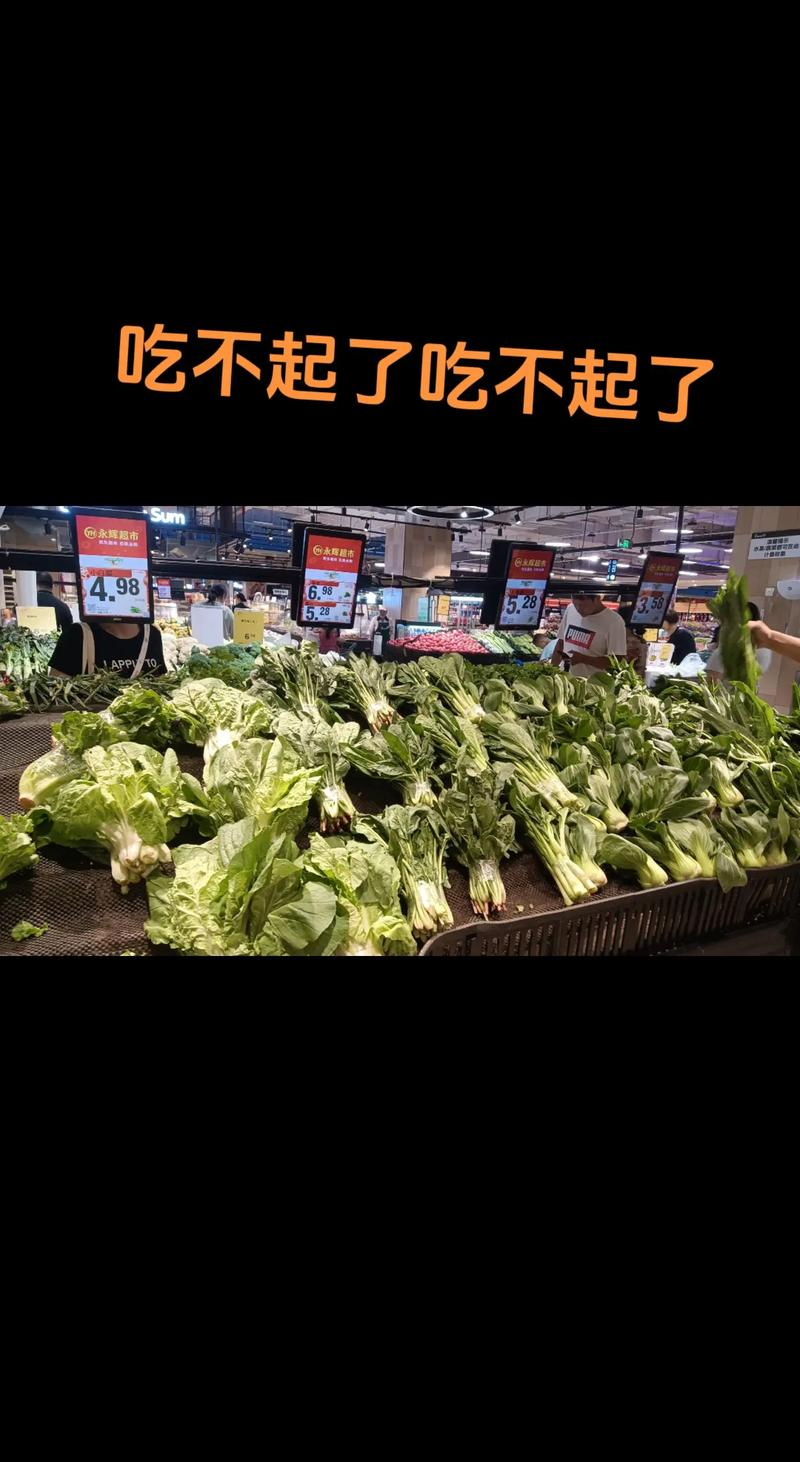
"a pound goes up to $12, and the price is 3 pounds!" ms. Xu, a nearby resident, tried to buy spinach to clear the market, but gave up when she saw the price tag。
The cucumber cucumber cucumber cucumber cucumber cucumber cucumber cucumber cucumber cucumber cucumber cucumber cucumber cucumber cucumber cucumber cucumber cucumber cucumber cucumber cucumber cucumber cucumber cucumber cucumber cucumber cucumber cucumber cucumber cucumber cucumber cucumber cucumber cucumber cucumber cucumber cucumber cucumber cucumber cucumber cucumber cucumber cucumber cucumber cucumber cucumber cucumber cucumber cucumber cucumber cucumber cucumber cucumber cucumber cucumber cucumber cucumber cucumber cucumber cucum cu cu cu cu cu cu cu cu。
"the spinach is too expensive! The wholesale price is over $10 a pound, and it hasn't been delivered in the last few days." ms. Supermarket salespersons had said that the high prices of some vegetables sold by no one and the high losses had reduced their availability。
According to the ministry of agriculture and rural development, during the week of 8 to 15 october, the prices of vegetables such as cucumbers, spinach, carrots and cabbage increased, with cucumbers and spinach rings increasing by 28. 2 per cent and 21. 3 per cent, respectively, and 87. 7 per cent and 42. 0 per cent, respectively。
Moreover, according to recent price trends in the emerging market in beijing, vegetable prices have risen steadily since october, with a sharp rise in green vegetables such as spinach。
“the purchase price has increased, but the sale price cannot rise, or it cannot be sold.” in the wholesale market for new agricultural products, mr. Zhang, a caterer who came to purchase spinach, said that the cost of food prices was largely internalized and that relatively stable prices were needed to keep customers。
Wholesale doesn't get it
Not only is the consumer's “basket” heavy, but for many vegetable wholesalers, the price has risen since they were on the ground。
In the wholesale market for fresh produce, mr. Xu, who has seven years of wholesale vegetable production, stated, “the purchase price of spinach is now six pounds higher than the usual purchase price of two pounds, which he has never seen.”
Since the week of 19 september, the weekly index of the life-light vegetable price index, known as the china vegetable price barometer, has risen by four weeks, with a large increase in leaf and eggplant vegetables。
“the production of spinach is limited, and even higher purchase prices cannot be collected.” mr. Xu said that it would normally take two days to collect a car and now take at least three to four days。
Wang chun is a wholesaler at the level of the sunlight agricultural logistics park. He stated that the purchase price for quality spinach was between $5 and $8. 5 per pound, and that the purchase price for the same period last year was two pounds per pound. Even if it had doubled, wholesalers were buying it. “the supply of goods was too small to collect as much as they could”。
Journalists have learned that most growers produce less vegetables than in previous years as a result of continuous rainfall, but the prices of vegetables are higher, and overall the returns are the same as in previous years。
“in previous years, 5 acres of cucumbers had so far been available, from 40,000 to 50,000 pounds, and only 20,000 pounds of cucumbers had been released this year under the impact of the rainy weather, but prices had more than doubled, and overall returns had remained at the same level as last year.” zhao yu, a cucumber grower, says。
The price of vegetables has increased due to multiple factors such as seasonality and rain
The industry analyses that it is now at a time of “greenness” when the summer vegetable market is almost over, small quantities of vegetables in autumn and winter, combined with high temperatures and heavy rainfall this year, slow vegetable growth in the main producing areas, reduced production of vegetables in some areas as a result of flooding and reduced market availability, resulting in a marked increase in the price of vegetables。
According to ho xiaojie, a vegetable price analyst at the sunlight agricultural logistics gardens, as the weather became colder, vegetables from the northern producing areas steadily retreated and the supply of vegetables, such as tomatoes and organic vegetables, was strained, resulting in higher prices。
“as a result of successive rainfalls in the vegetable-producing areas of the north since mid-september, vegetable productivity has not recovered, and in some places production has declined significantly as a result of the immersion of vegetables in the rain, causing root and heart damage.” ho xiaojie said。
The head of the department of statistics of the new source market in beijing, liu tong, analysed spinach from the beijing market, which is affected by continuous rainfall, has been soaked, unable to arrange for the timely replanting of farm families, and has to be supplied in a follow-up shed, but it will take some time before the spinach production takes place. At present, only a small amount of veal spinach is available in places such as liaoning, which has significantly reduced supply, resulting in high prices。
In addition, higher prices of seeds, fertilizers, pesticides, etc., and higher costs for vegetable cultivation since the beginning of the year, as well as the continued rise in oil prices, which increased by 23. 4 per cent for petrol and 25. 7 per cent for diesel fuel in september, leading to higher transport costs, etc., have also helped to increase the price of push vegetables。
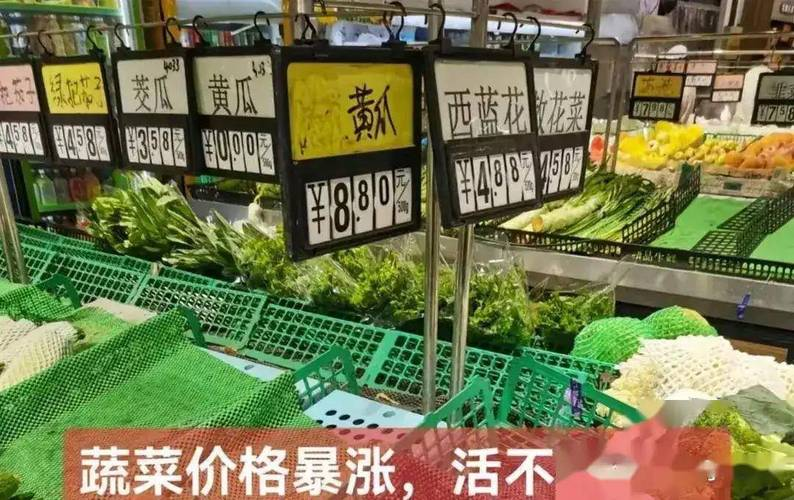
The price of food is rising or contributing to the october cpi rise
According to the ministry of agriculture and rural development, there are about 100 million acres of vegetables in the country, a slight increase over the same period and a better supply-demand balance。
“following the resumption of vegetable production, some of the late-marketed vegetables are concentrated on the market, and prices for some varieties are likely to fall, but consecutive rainfall has affected the planting of vegetables in some parts of the autumn and winter, with the possibility of poor links, etc., and overall winter prices are expected to be high.” zhang jing, deputy researcher, agricultural information institute, china agricultural institute, said that。
He xiaojie analyses the current strong demand for vegetables markets, such as the active presence of northern clients, and the increased demand for canteens in schools and units after national day. In addition, areas such as shanxi have been affected by heavy rainfall, lack of self-supply capacity of vegetables, increased demand from buyers, free movement of goods and high prices in the short term。
A number of wholesalers predict that as the weather clears and the transportation of vegetables resumes, the prices of vegetables will fall, but they are still higher than normal prices in previous years。
It is noteworthy that the prices of vegetables have risen rapidly since october or will lead to a recovery in the national consumer price index (cpi) food data. There is some pressure to keep supply and demand in consumer markets stable and stable。
In order to increase the supply of vegetables to the beijing market and to stabilize the prices of vegetables, the beijing new origin market organized 3 million acres of its own growing base and businesses to increase the allocation of vegetables and develop new sources。
Tang kei, director of the market and informatization department of the ministry of agriculture and rural development, said that the next step would be to implement with the authorities a policy of “green passage” for the transport of fresh and productive agricultural products, with a view to facilitating access to rural and urban areas for goods and agricultural products; to strengthen market information monitoring and early warning, and to issue timely information on prices and supply and demand; and to implement a “basket” for mayors, which would be responsible for catching up on the production of vegetables in the autumn and ensuring the supply of “basket” products。