Mr. Wang hue-min
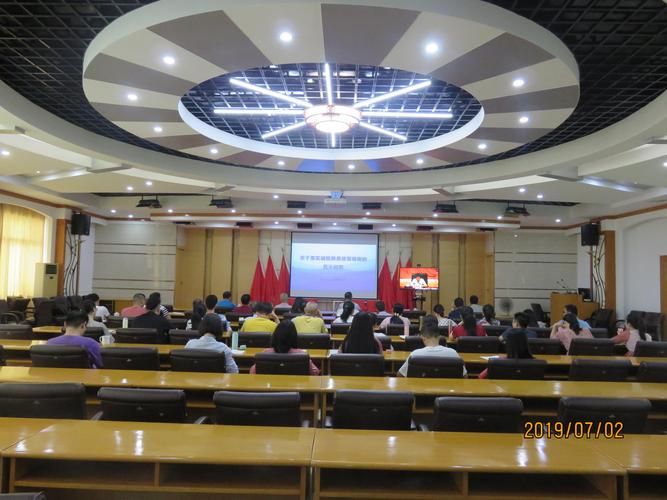
Last year, on 18 september, zhong hae-ryi and chen guangxi signed a rental agreement whereby zhong hae-ryi rented a three-month lease for a rental deposit of $1,400 for a house located in the guang yi building in the city of kashin. However, after the expiry of the agreement, chen guangxi, who is the landlord of the second, was lost. Zhao jian, the real owner of the house, was about to take it back, and zhong hae-ryi asked for the deposit to be refunded before leaving, in the absence of chen guangxi, and in the absence of the parties, the parties negotiated unsuccessfully and requested mediation from the people's mediation committee for the town of bridge in the south lake region。
Having heard the presentations from both sides, chu yugen asked the parties to present their views and ideas, and then prepared a compromise proposal for their information, which was endorsed by both sides. After a further explanation by chu yugen, the parties voluntarily agreed as follows: zhong haley agreed to set the rent deposit at $1,400 for one month, while zhao jian agreed to extend the lease for another month. After expiry, the lease contract was automatically terminated and the parties were not in a position to recreate the matter。
I have something to say
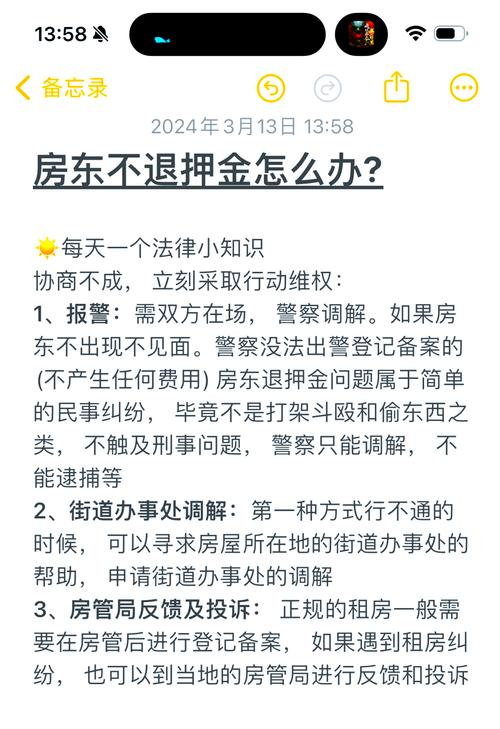
In this case, despite the small amount of the deposit involved, such disputes are already taking place in practice, and it is important to remind you that in the event of a loss of connection between the two landlords, the lessee must immediately gather evidence, contact the actual owner of the house for consultation and, as appropriate, call the police or sue the rights defender。
Concrete steps can be divided into: first steps, gathering all the evidence. This is the basis for safeguarding rights, ensuring that follow-up is based on evidence, in terms of rental contracts, the preservation of originals or copies, with emphasis on deposits, rental refunds and default clauses; payment vouchers, including bank transfer records, receipts, micro-letters/payment stoppages, proof of payment of rents and deposits; communication records, including text messages, micro-mail chats, voice recordings (e. G., second landlord's acknowledgement of running or refusal to refund); proof of the state of the house, which allows for the photographing or video recording of the contents of the house and avoids false damage. Zenium
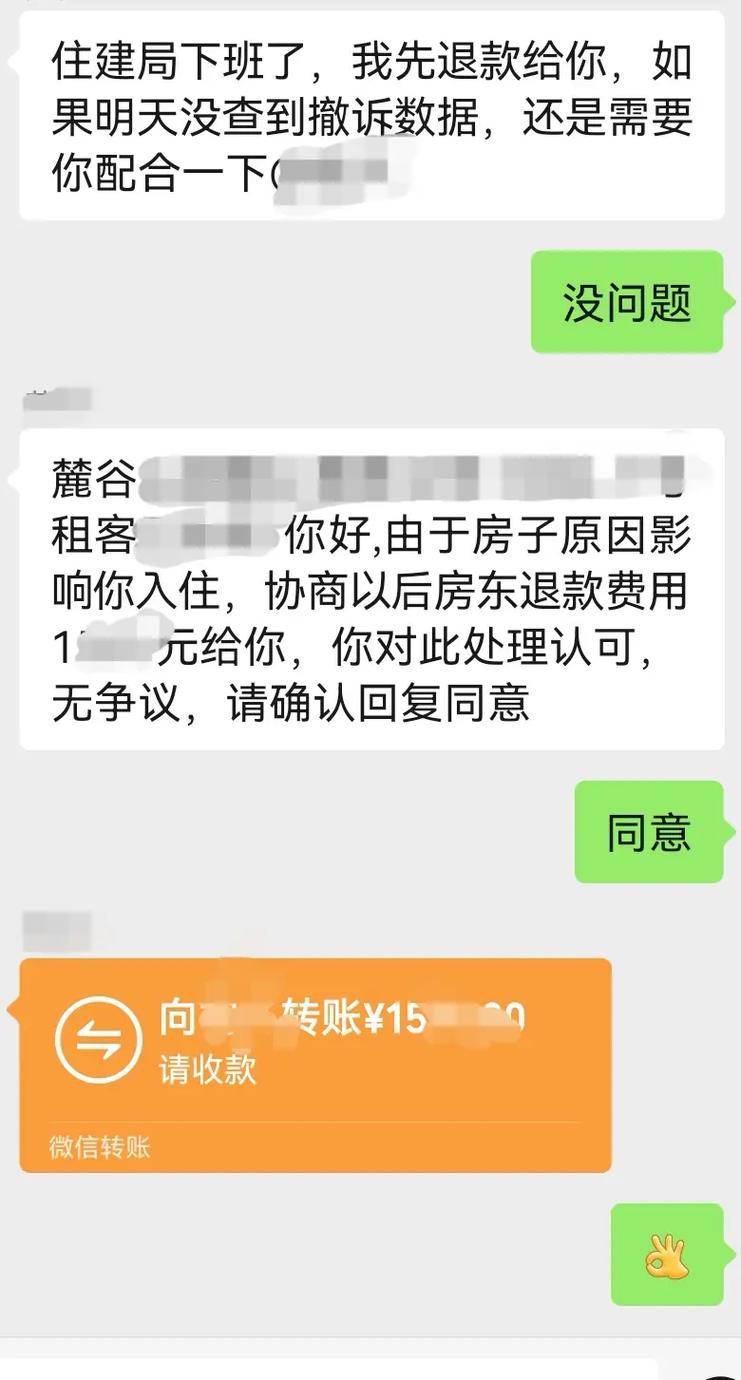
The second step is to consult with the real owner of the house with a view to staying or reducing the damage. The actual owner of the house was informed of the facts, proof of payment was presented that the landlord had lost contact, asked if he agreed to continue living and tried to re-contract. If the actual owner of the house agrees, the new contract is signed directly (the rent may be set off against the costs already paid); if not, a refund is negotiated and the actual owner of the house is required to refund the remaining rent or deposit (the landlord is required to cooperate with the pursuit of the landlord). Zenium
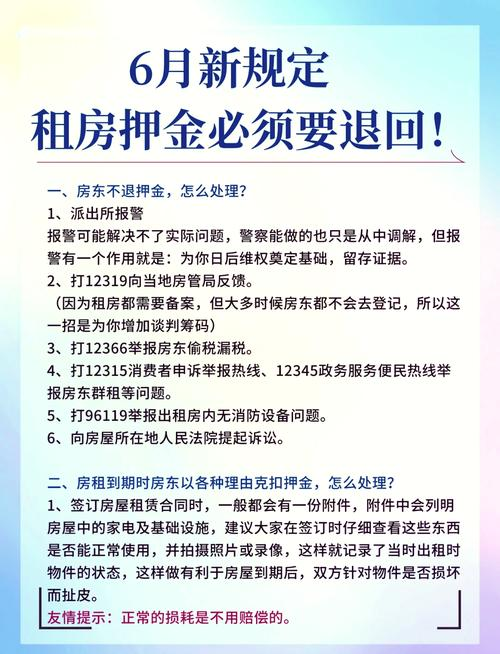
The third step is to call the police or prosecute, choosing legal means to resolve the situation. If the landlord is suspected of fraud (e. G. Forgery of identity, over $5,000 in funds), he should immediately bring evidence to the police station to report it. It may also prepare for prosecution, compile lists of evidence (contracts, payment records, communication records), prepare pleadings, request the refund of rent/deposit plus compensation for loss (e. G. Removal costs)。