In recent days, a landlord's friend asked me for help: the tenant suddenly lost contact, not only with a few months' rent, but also with his house. She was anxious to ask, "can we just change the locks after the alarm?" and my answer was, "the big leak!" today, i will provide you with an in-depth analysis of the landlord's correct conduct in similar disputes, taking into account legal knowledge and practical cases, so as not to be caught up in more trouble with a sudden impulse。
I. Real dilemmas: the loss of rents, landlords ' frustration and anxiety
Many landlords have experienced such bad things as the failure of renters to pick up their telephones, the failure to return their letters, the delay in renting and the inability to reach them, but the contents of the houses indicate that the tenants have not really “disappeared”. In such cases, landlords are often anxious to burn down, bearing rent losses on the one hand and fearing that houses will be damaged or used for illegal purposes on the other. A common impulse thought is, "can i just call the police and get them to help with the locks, or change them, and clear out the tenants?"
Ii. Core error clarification: the means of enforcement to resolve civil disputes
According to the information provided, a key area of legal awareness must be clearly identified:
∙ the role of the police: the main duty of the police is to keep a record of the case when the police report. They will record the fact that the tenant is lost and the rent is not paid, which leaves important evidence for subsequent legal action. This record is a strong testimony in court。
∙ limitations in reporting to the police: however, the police will not intervene in the execution of civil disputes. Tenancy contract disputes are typical civil cases and not criminal cases (except where fraud, violence, etc. Are involved). Thus, “to let the police force you to change locks or remove tenants” — this is completely impossible. The police do not have such authority, and their presence is primarily for the purpose of maintaining order on the ground and preventing the escalation of conflict, but they are not entitled to exercise the landlord's contractual rights for you。
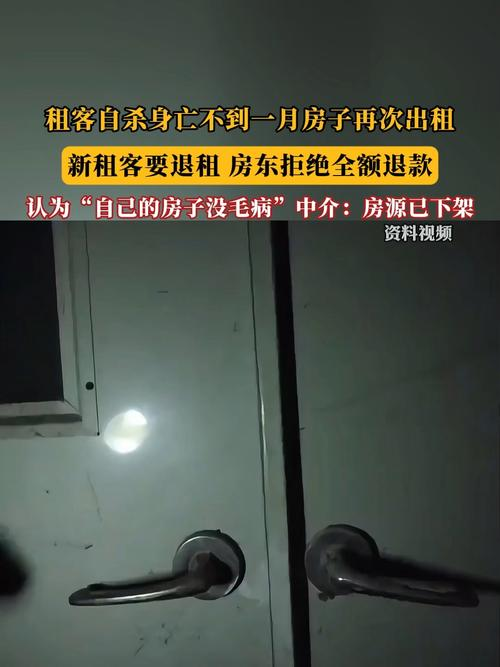
Demonstrating the wrong practice: if the landlord, after calling the police, changes the lock without due process, forcibly enters the room or abandons the tenant's goods, it may well constitute an offence, such as an “illegal invasion” of the home or “violation of the property rights of citizens”, instead the tenant may sue the landlord for compensation. This makes no sense and no gain。
Iii. Guide to the right path for rights protection: four steps to be taken by landlords
What is the right thing to do when it is impossible to “repress violence”? Please follow the following structured steps:
1. First step: comprehensive evidence consolidation (basis of rights)
L contract documents: maintenance of lease contracts, deposit receipts。
∙ record-keeping: maintenance of evidence such as micro-mail chat records, text messages, mail or audio-visual recordings that you have repeatedly collected rent without the tenant responding or refusing to pay。
L loss of connection: record the process by which you tried to contact the tenant through all known contacts but failed。
L status of goods: taking photographs or videos of the outside of the house and of the visible internal situation (through windows, etc.) where possible and lawful (e. G., through property, neighbour's testimony) to prove that the tenant's goods are still inside the house and that his people are not connected。
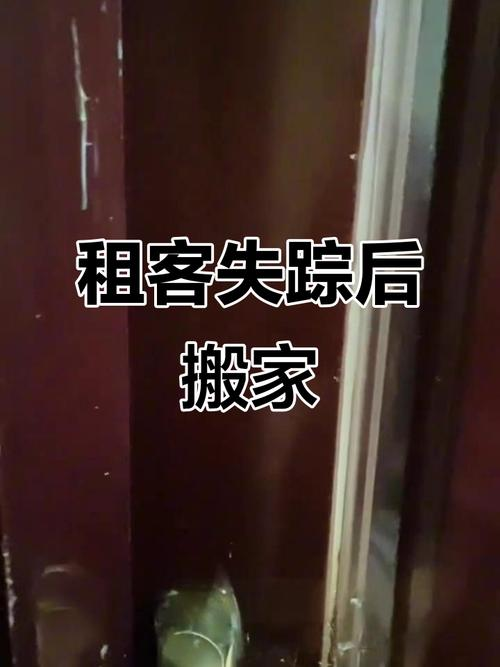
L called back: as mentioned above, went to the police station to report the incident, obtain a call or record. This is very formal evidence。
2. Second step: formal written notification (compliance with notification obligation)
L when the evidence is ready, a notice letter of termination of the lease contract is sent by mail to the tenant's identity card address or the contractual address. The letter shall specify the amount, time and the fact that the tenant is in default of the lease, and shall, in accordance with the relevant provisions of the civil code, give a formal notice of the termination of the lease contract as of a certain date for serious breach of contract, and require it to remove and settle the costs within a specified period of time (e. G. 7-15 days)。
L it is important to use couriers such as ems, which can query the receipt and receipt records, and to keep the mailing vouchers and certificates of correct delivery. This is the key to proving that you have fulfilled your obligation to inform。
3. Step 3: instituting civil proceedings (final means of law)
L if the term of the notice expires and the tenant does not appear or leave, the landlord shall decisively institute civil proceedings before the people's court in the place where the house is located。
L all evidence previously fixed is presented to the court at this stage。
4. Fourth step: application for court enforcement (state security of enforcement)

L upon obtaining a successful court judgement, the landlord may apply to the court for enforcement if the tenant still refuses to comply。
At that time, the executive judge of the court and the bailiff will come to the house in accordance with the law and force the tenant to move, change the lock and return the house to you. This process is legitimate and compulsory。
Iv. Risk summary and sweet tips
∙ do not switch from one person to another: the legal risk is so high that it is easy to shift from victim to abuser。
L emotionalism is less legal: the whole process appears to be time-consuming, but every step is building a firm legal line for you and is the surest way to solve the underlying problem。
∙ counseling with professional lawyers: if it involves a large amount of money or a complex situation, it is recommended that professional lawyers be consulted as soon as possible to obtain targeted guidance。
The landlord's mood is understandable in the face of a rent loss, but the right path must be followed. Remember, calling the police is your “evidence collection station”, not a “law enforcement unit”. The legitimate combination of “fixed evidence duly notifying court proceedings of enforcement” is the only way to truly defend your legitimate interests and leave the “older” tenants without escape. It was to be hoped that every landlord's friend would face up to the dispute calmly and rationally and protect his property with legal weapons。