The choice of a domestic printer, many of which looked at the price first, resulted in the purchase of hundreds of pieces of machinery, and the subsequent replacement of materials, which cost thousands, was purely an iq tax. In fact, the printer's core pit is not at the initial price, but at the invisible “full life-cycle cost”, which is being dismantled in the most tangible terms today to help you avoid mines。
First, we need to avoid the low-cost machine trap. The entry payments of 99 and 199, which looked like a good deal, were “buying cartridges to deliver machines”. The original cartridges are often printed only in dozens at a cost of over $100 each, and the printing of a page is converted into two or three, which is more expensive than going to the printing shop. The real cost is the inkware type, which, although priced at around a thousand dollars, is only $200 for a set of four-coloured ink that can print 6,000 black pages, 7,500 colour pages, a single page cost as low as one cent, and a hundred coloured handwritten total cost of less than three dollars, saves a fortune for the long run。
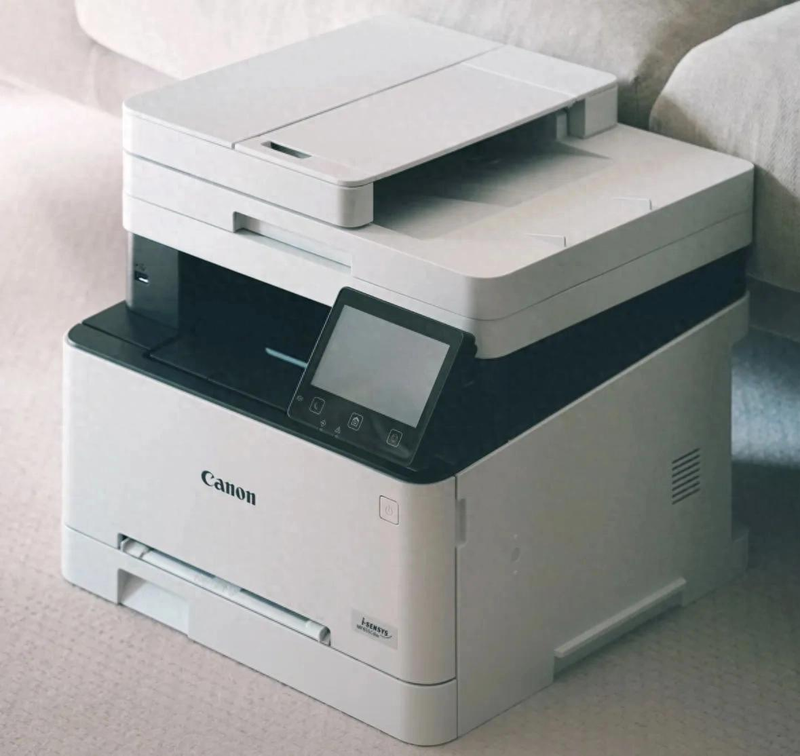
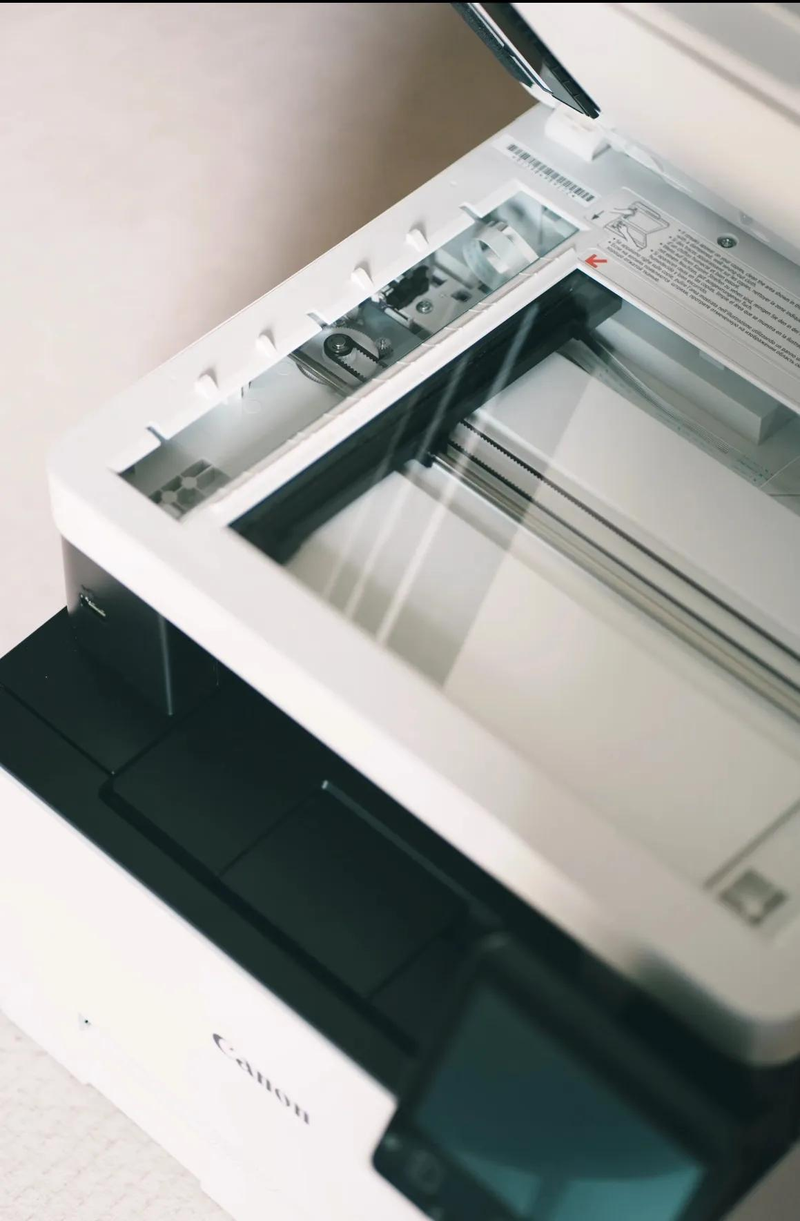
And second of all, don't be fooled by "functional scrambling". Many vendors push “print + copy + scan + fax” in combination, which is hundreds of times more expensive than the base money, but most households do not use a previous fax one year, and redundant functions not only give a premium but also increase the probability of failure. The choice of "print + copy + scan" for home use is enough, focusing on practical configurations: those that support wireless printing of mobile phones, which are easier without ripping lines; those with automatic feeders, which do not have to turn over multiple pages manually; and those with simple operating panels, which can be used by older children. It should also be noted that the "high resolution" in the parameters depends on the "physical resolution" and requires at least 1200 x 1200 dpi, not to be distracted by the "plugged resolution"。
The final calculation is “maintenance and consumables”. The problem of blockages in the traditional inkjet is now resolved, and the new type of money machine can be easily printed, even if it is idle for hundreds of hours, with smart cleaning, without manual maintenance. The lasers appear to be stable, and the material costs are high, with 300 to 500 dollars for the original americium drums, with only 1,500 to 2,500 pages printed, seven or eight times more for a single page, and more so for the subsequent replacement of sensory drums. Moreover, the high energy consumption of lasers could also lead to harmful gases, which would be less environmentally appropriate than the inkjet environment。
The core principle for printers is simple: to think clearly about their needs - if they are printing for children, doing hand-copying, pursuing low-cost and colour effects, choosing the ink-kilojet directly; if only occasionally printing black and white files is not cost-sensitive, then considering black and white lasers. The selection process should not focus solely on the price of the product, but should be based on an inventory of the amount of material consumed, annual expenditures measured at their own annual printing, and priority should be given to the main brands of hewlett-packard, jia & epson, which are sold with security and are readily available。