Natural diamonds, once one of the symbols of the rich's luxurious identity, are now encountering a collective “silvation” as a result of the rise in the perception of consumption of diamonds。
According to bloomberg, de beers, the diamond giant, recently reduced the price of natural diamonds by 10 per cent in a comprehensive manner and began to attempt to drop the price threshold. According to industry sources, this was de beers' second bid in the course of the year, and earlier this january it had reduced the price of diamonds under the flag by 10 to 25 per cent overall。
And who could think that behind the chain of price reductions was a small county town in henan, china。
1. The marketing myth of delbis “natural diamonds”
“diamonds are forever and ever,” a classic ad, undoubtedly the work of the diamond giant delbis. The custom of buying diamond rings by marriage today has some bearing on the ad。
In earlier years, western companies, led by derbis, held the world's main diamond veins, and prices for natural diamonds remained high. A 0. 5-carat diamond ring on the market is often sold for up to $10,000. And a carat of diamond rings is worth more than $100,000。
In the face of the high price of this deformity, the majority of the population is also left with a quiet choice to accept it, especially for some married young people who are not well-off in economic conditions, where diamond consumption is a heavy economic burden。
However, despite the value given by derbis to natural diamonds in love, perpetuity and so forth, in modern science natural diamonds are, in the view of modern science, merely a single crystal of carbon under high pressure, and artificial nurturing is not impossible。
In 2019, scientists from our central college made a major breakthrough in the area of “manual diamonds”, which was then piloted in the city of henan, where diamonds were cultivated in quantitative quantities. Authoritative tests have shown that artificially grown diamonds in the city are completely identical to natural diamonds in physical, optical and chemical properties. At this point, the diamond monopoly system built by the west over a hundred years of time has finally been broken by my country, and domestic production of diamonds has officially gone to the market。
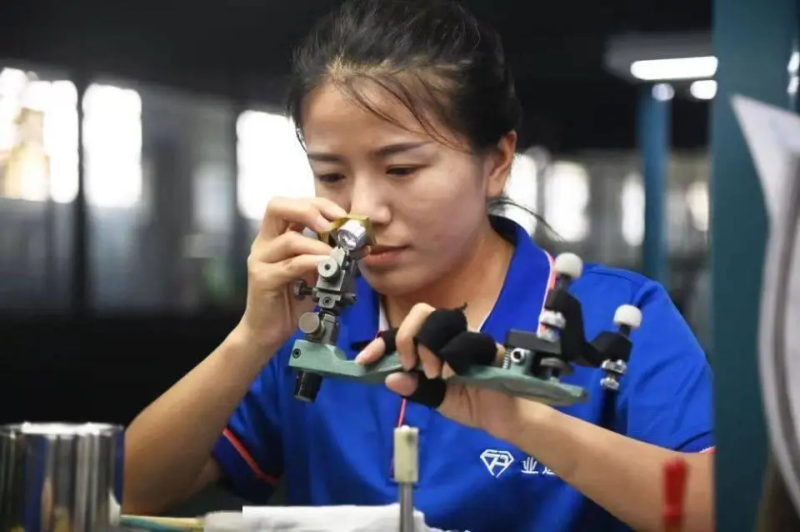
In a few years, however, the city has become a truly “global diamond capital”, producing not only 4 million carats per year, but also a group of diamond brands headed by “sweet light”, directly targeting consumers and confronting some traditional jewellery brands。
According to data from the zhuang network of officials and the kyeongdong platform, the cumulative number of visitors to official platforms has so far exceeded 100,000 and the total number of transactions has risen to eight, without large-scale outreach. At the beginning of the year, at the height of the marriage, the order was scheduled even two months later。
2. Prices are no longer “higher” when their value remains constant
Just as domestic production grew, natural diamonds began its downward spiral. In fact, it may be said to be inevitable。
As far as diamonds themselves are concerned, today there is no difference other than in the name of natural drilling. This is not the word of a brand, and in 2018 the united states federal trade commission (ftc) publicly acknowledged that there is no difference between nurturing diamonds and natural diamonds。

In terms of price, the reference diamond, which is home-made, is nearly 80 per cent cheaper than natural drilling, with a carat price of only $6,000。
In contrast, it's hard not to let people choose to cultivate diamonds. The only “manual” and “natural” division of the mustard heart is now being eroded by the use of some wealthy celebrities. According to indian media reports, during the 4. 7 billion-day wedding for his son this year, india's first fumuksh anbani, elements of diamonds, many of which are breeding diamonds, rose。
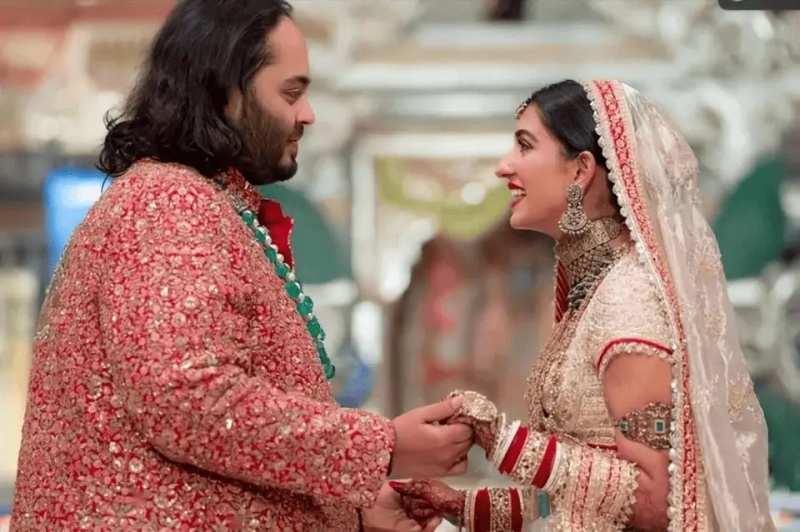
Even the top-class rich people are using breeding drills, and the perception of most people is changing。
"the pigeons that used to stare at the actresses were dazzling and never thought they'd wear pigeon eggs one day." ms. Gu, from guangzhou, customised an eight-carat diamond online for her long-standing dream. “showed a circle of people before buying them, and it was not surprising that they were already using this type of diamond, which no one would think was inferior, but rather fashion.”
It is certainly a good thing that, according to ms. Gu's exclusive adviser, the proportion of diamond-loving clients like ms. Gu's is increasing, and those who like diamonds can afford not to bear the abnormally high prices. On the other hand, in order to better cope with competition in the market, light has also opened up a new game that allows more people to feel the charm of diamonds。

Ms. Liu, 40 years old, runs small shops in shanghai. She was married late, having just given birth to her first child this year, and, in celebration of the 100th day of the baby, she purchased “dna memorial diamonds” on a special light — integrating into the diamonds the exclusive elements of the child's hair, such as dna marks, into a unique souvenir that can be permanently preserved in the future。
“diamonds were seen before as a luxury, not much thought. But now, this diamond really carries my best memories of life, and it will be particularly memorable to look at them when they grow old.” ms. Liu said with sympathy。
It is these modest innovations that have led to the emergence of diamonds from domestic production. Western diamonds, once arrogant, are in the depths: in addition to the delbislian price reduction, the second largest diamond dealer in the united states, wd, has recently filed an application for bankruptcy。
3 diamonds, going to the “bucket price”
In the great situation of domestic production of diamonds, some have denied them outright that they will be of no value with the advent of artificial breeding techniques。
In fact, artificial nurturing does not mean simple. The production cycle of cultivated diamonds has been extended by the number of carats, ranging from weeks to months, especially for the production of large diamonds such as 10 carats, at a cost of hundreds of thousands of dollars. Technically, there are also very high requirements for diamond breeding, and not every small workshop can produce and replicate. Taking into account the combination of factors, there is still considerable value in the collection of diamonds for a long time。
View original diagram 369k
Personal opinion, for information only