If i could sum up the core principles of the mattress selection in one sentence, it would be: the mattress thing, it really doesn't fit。
It's not like home electricity, it's broken and it's changed; it's not like a couch, it's not comfortable and it's less comfortable. And if the mattress is wrong, it'll affect the quality of your sleep for the next few years, even the vertebrae and the neck。
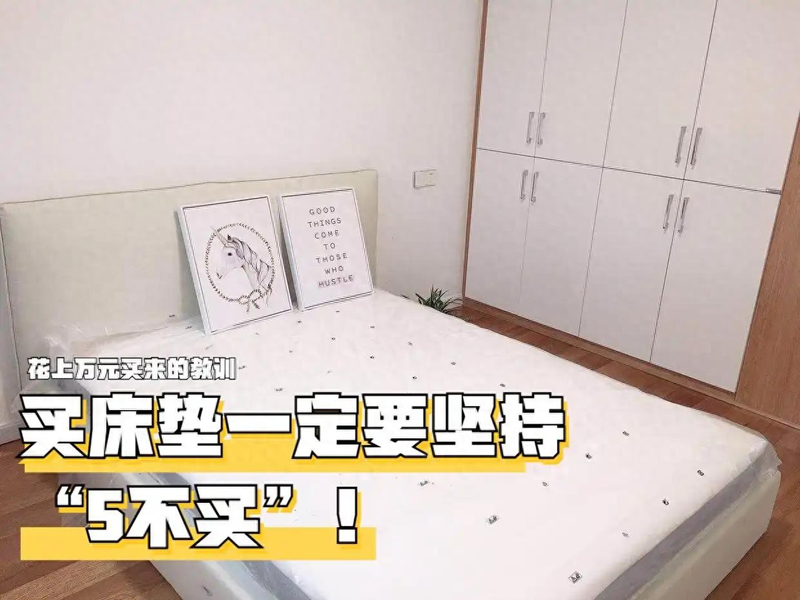
After all these years of home-related work, there have been too many cases in which “the first time you bought it, you felt good, you started to regret it”. So how do you choose the mattress? It is suggested that you should spend more money and insist on not buying five
First no: whole net spring mattress
Structurally, the sponge+ spring remains the most mature and stable mattress programme at present, but the key difference is precisely in the spring itself. Many people look only at the thickness, at the price, but ignore the structure of the spring, which is a wrong step, and then the best fabric is empty。
The whole spring is characterised by linking all springs through the wire into a whole network. Low cost and simple process, which explains the “sweet” price。
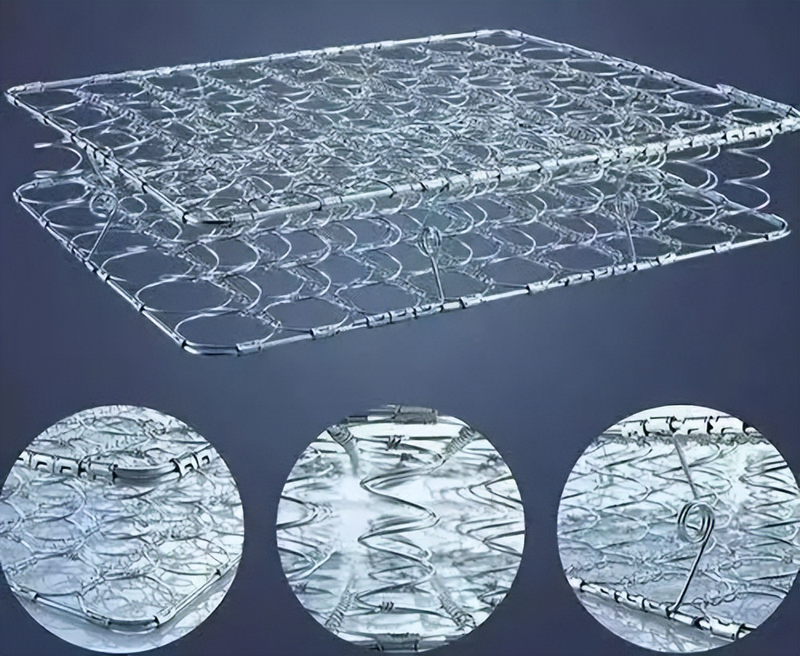
But the problem is also obvious: all springs, one person turns, the bed moves, for a long time, elastic decay, and collapse is almost inevitable. In particular, the hip-pressure zone, a year or two, is prone to “middle trap, two-sided” embarrassment。
By contrast, the advantage of an independent spring is almost crushing. Each spring is packaged in isolation from each other. It is able to fit the curve more precisely. It is much quieter when it turns over and does not affect the next person。
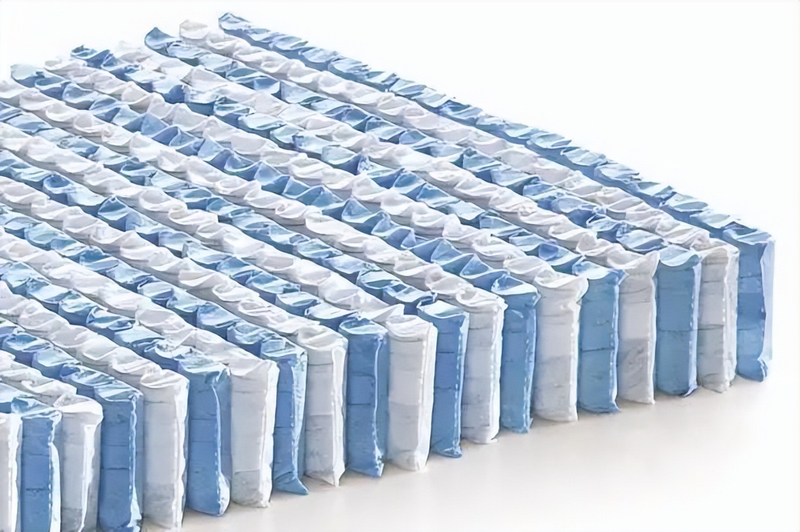
More importantly, it can provide partition support based on different parts of the human body, which reduces the pressure on the waist and the whole spring cannot do. If you have basic requirements for sleep quality, the whole spring is really not worth considering。
No. 2: compressed mattress
Compressed mattresses have been hot for the last two years, especially on electrical platforms, and appear to be easy to transport and affordable. But as a long-term sleeping appliance, it's innate。
In order to be condensed and curled up, the springs of such mattresses tend to be lighter and softer, and fill density is limited. The sense of short-term sleep may be good, but for a long period of time, there is a marked decline in support, especially in marginal areas, where it is “sliding” for a while, and when it is long, it can be felt that the waist is empty and the body is tired。
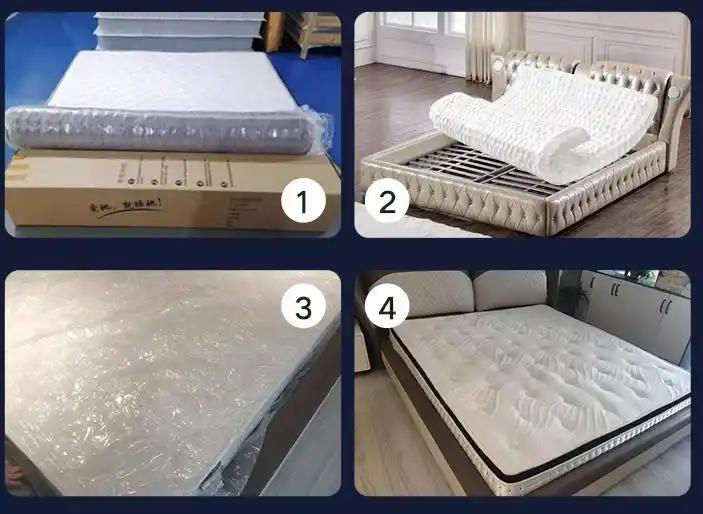
If you only use temporary, rented accommodations, the mattresses are acceptable; but if the main bed is used permanently, the mattresses that deliver the whole bed are clearly more reliable in terms of structural stability, durability and marginal support. You really shouldn't compromise on the matter of sleep to save a little removal costs。
No third purchase: single material mattress
The single material mattresses that are common on the market, such as pure sponges, pure coconut palms, appear simple and straightforward, and indeed cheap, many for one or two hundred. But you need to be clear that the positioning of these mattresses is not in itself “long-term comfort sleep”。
The problem with single materials is that the choice of sleeping is extremely extreme. Either it is too soft, it lacks support, it is too hard, it has a strong sense of oppression, it is generally thin, and it is almost impossible to speak of body packages and buffers. Just sleeping may feel “fine”, but for a long time, it can easily appear that cynic acids are discomfort in the waist。
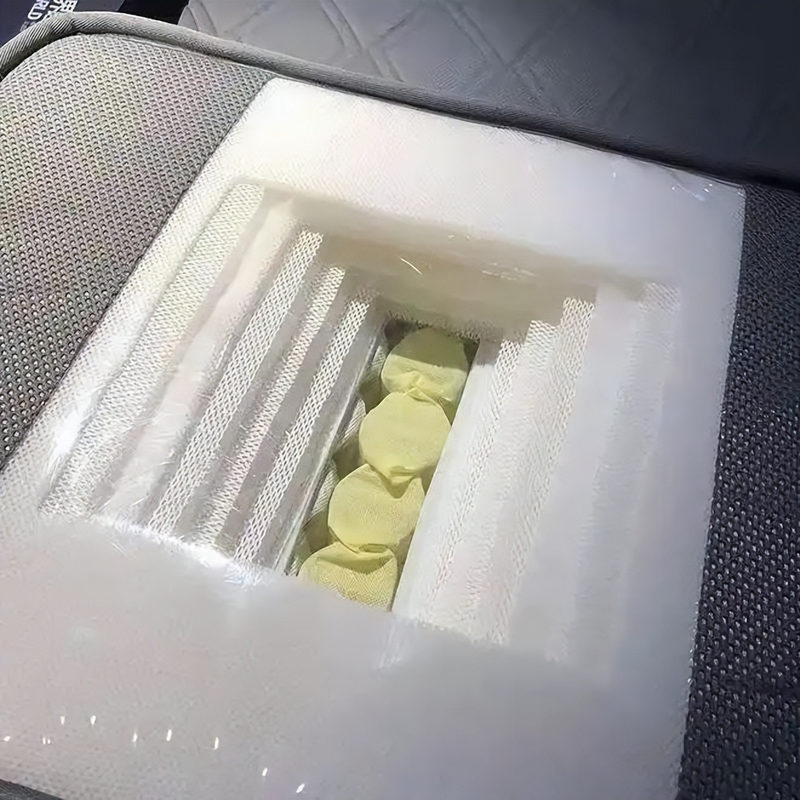
A mattress that is truly suitable for domestic use is often a reasonable combination of a variety of materials. For example, memory cotton is responsible for decompression, emulsions is responsible for echoing, springs or palms provide structural support. Such a combination would allow for a balance between alignment and support, longer sleep and more durable。
No. 4: glue to mattresses
I suggest that you all pay attention to this point. The mattress is a personal thing, and the environment is always in first place。
Some low-cost mattresses are used extensively to bind filling layers with glue. The glue itself may contain formaldehyde or other volatile substances, which may not be “incidental” immediately in a short period of time, but the effects on the body are chronic when inhaled for long periods. Not to mention, some mattresses have been unsealed with a clear snout, which can largely be directly discouraged。
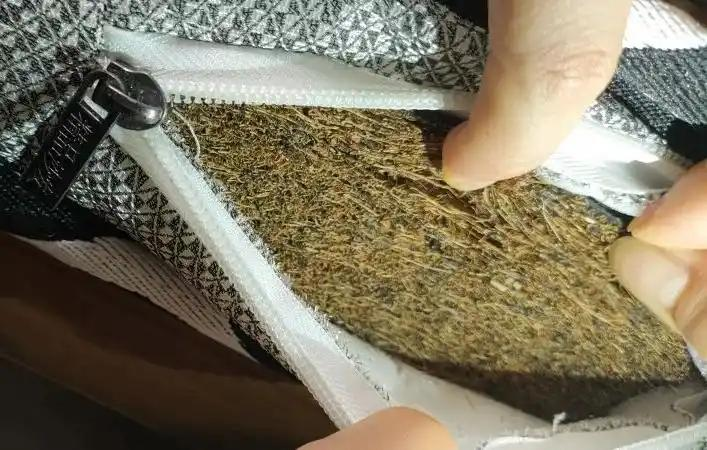
A simple way to tell you is to take the example of palm mattresses, which are physically suppressed by the environment, which tend to see white fibres in the interior, and the layer of naturality; and a large number of glue-coated palm mats, which are very “clean” in layers, but lack of fibre structures and a more visible smell. Preference is given to a mattress of zero glue, physical fixation and security。
Fifth, no, no
Bed mats are not a one-off item, but are available for five or eight years or more. Without a brand-endended mattress, the risk is very high。
The problem of impregnated mattresses is not just that it is difficult to guarantee by materials and processes, but more crucial is the lack of transparency in environmental standards, quality control systems and after-sales services. Once collapsed, resonated and smelled, the cost of defending rights was very high。
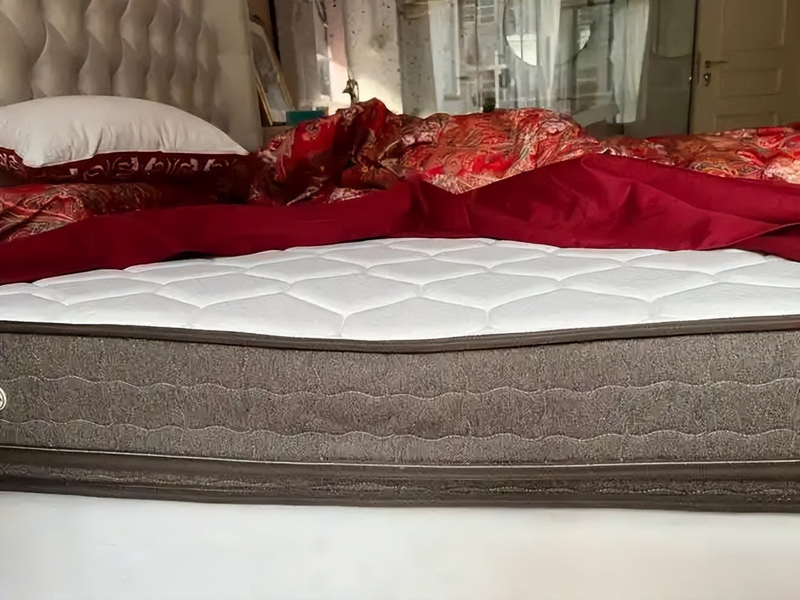
In contrast to subsequent periods, it would be preferable to start with a brand with a mature reputation and a stable product system. Here are some of the high-priced, well-recognized brands that you can refer to by friends who need:
1. The white knight plus emulsive mattress
The reference to a state-made mattress is an impeccable name. Founded in 1984 and to this day, it is not the head but the long-term accumulation of ridge protection structures and durability. The white knight plus is a very mature product line。
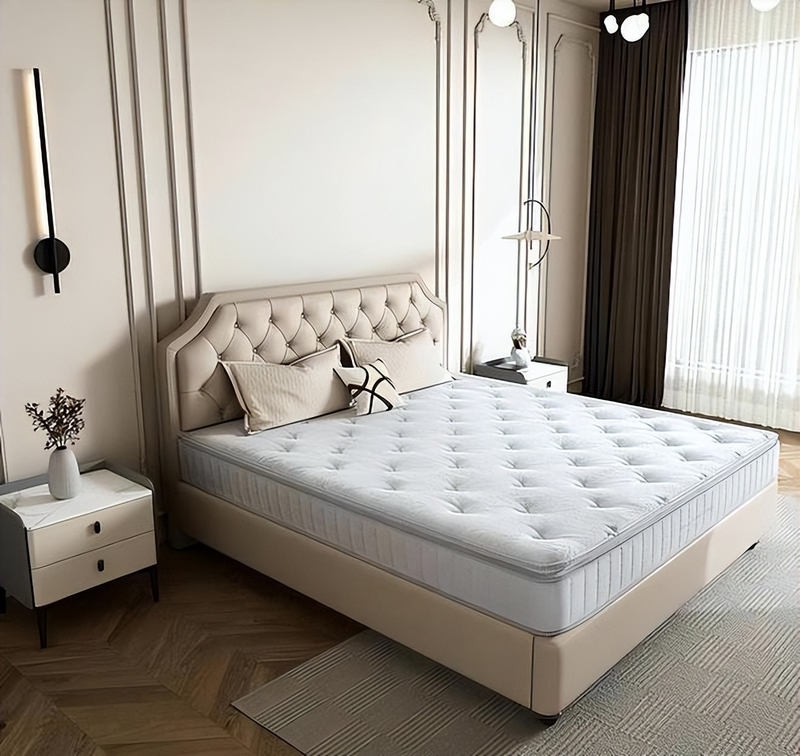
On the comfort floor, the mattress uses 2 cm thick, with more than 90 per cent emulsion content, and thailand imports natural emulsions, with a clear sense of adhesion and a clean bounce. The internal application of an independent spring structure and the addition of a turquoise layer to the ridge effectively spread the pressure on the waist. The overall thickness is 25 cm, and the high density sponge and the emulsion form a soft, bullet-bearing sleep and remain asleep。
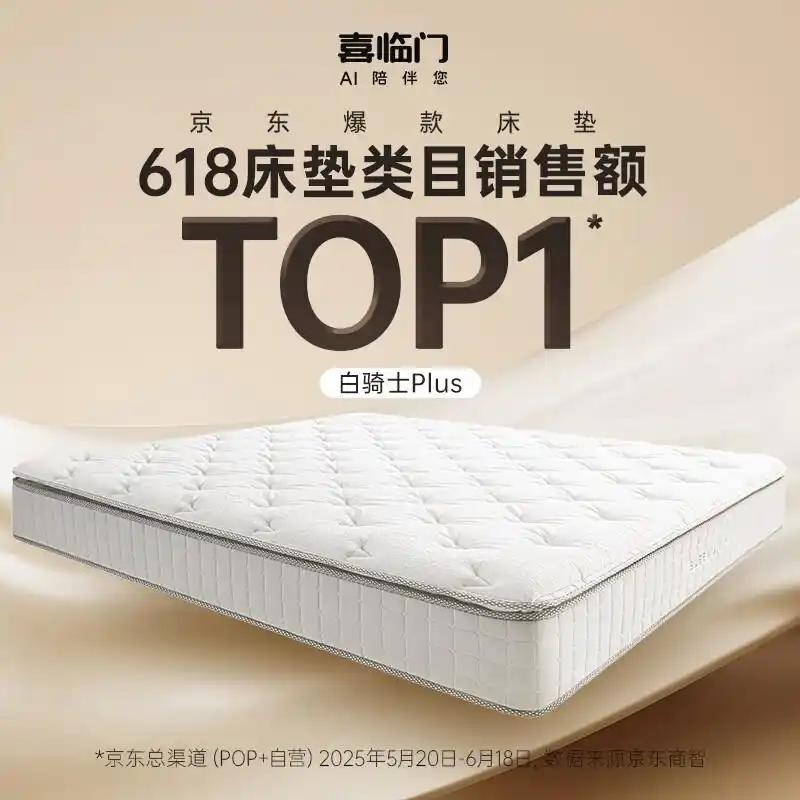
It actually gives people a feeling that they are not deliberately seeking to be soft, but relaxing. The edges are reinforced with two rows, and no slipper will fall on the side of the bed. It is suitable for long sittings of working people, sleeping people and couples who are more sensitive to overturning. Twiss antibacterial fabrics are compatible with german and swiss processes and are used in all seasons。
2. Moose, zilong-slept emulsion mattress
Moose is well positioned in the middle- and high-end markets, and the core keywords are “roast” and “systemic sleep”. It's the smart-sleeping spinal version, which i've been using in my own house。
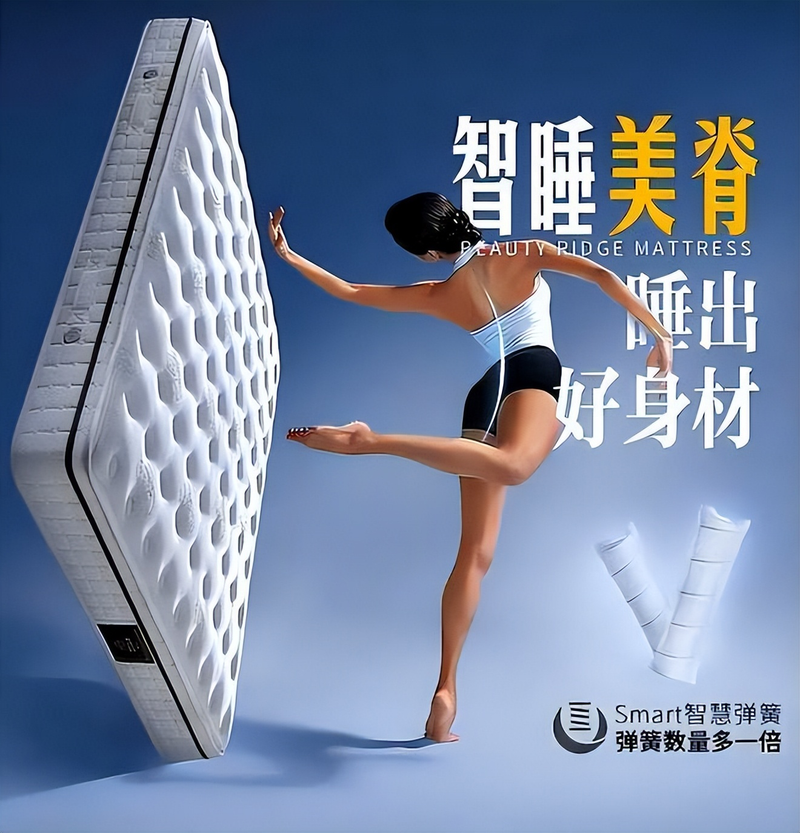
Its most prominent feature is the fact that there are up to 1,700 self-intellectual smart bags with springs of 1. 5 mm, 8-cycling structures with very detailed partitions. Shoulders, waists, legs, stress and feedback vary, with 2 cm of natural emulsion, a soft upper layer, a solid lower layer, and a natural curve. The 25 cm thickness, combined with air-traffic needle fabric and high-bullet filling, is delicately felt。
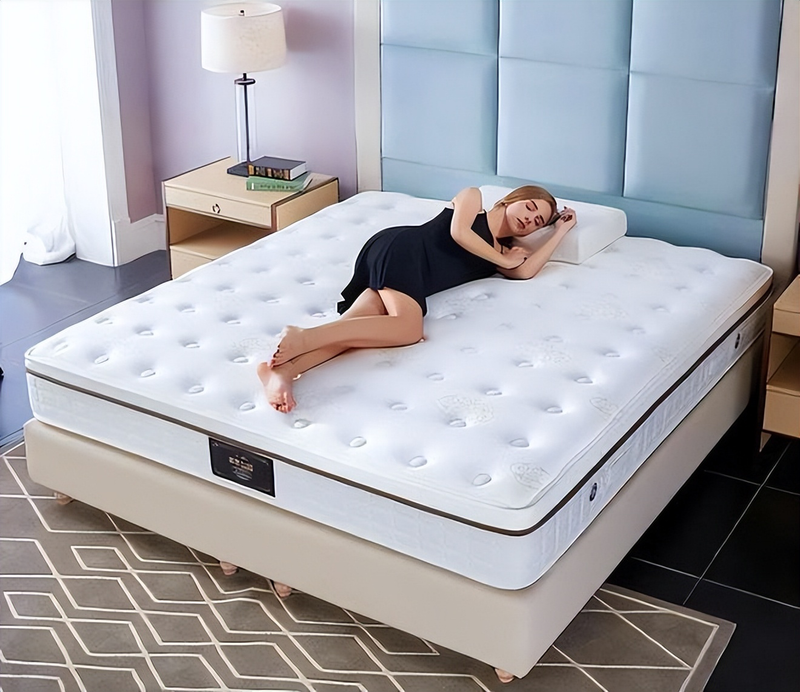
This mattress is particularly suitable for persons with a clear need for spinal support, such as adolescents, long-term waiters or people with mild arrhythmia. The turnover is almost without prejudice to the other side, and the package is clearly felt, but it will not “be stuck in” and falls into a sleep-resistant category。
3. Kinkoil ridge series 2. 0+
If you're looking for a "hotel-class" sleep experience, it's hardly disappointing. This 100-year-old american brand, long-standing bed for five-star hotels such as westin, sheraton, and the golden peaks 2. 0+ ridge, is a very classic one, designed with a three-zone induction spring system and an independent bag spring, to divide mattresses into three broad areas of shoulder, hip and lower limbs, supported by gradients through different linear spring combinations, to relieve the vertebrae pressure from long sitting or manual labour。
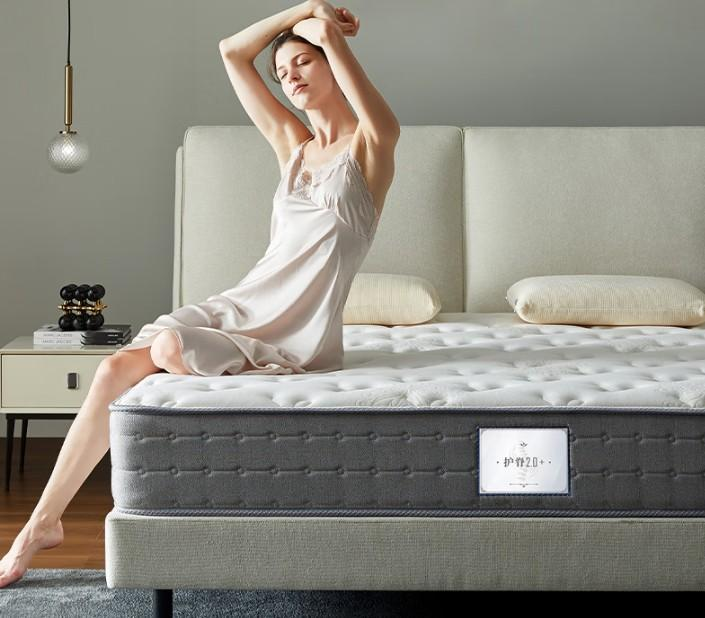
The mattress, which is 26 cm thick as a whole, is accompanied by 2 cm natural emulsion, with a soft and hard index of 6 (moderate rigidity), which provides both hard support to prevent vertebrate fallout and a softening sponge and emulsive layer to buffer joint pressure and is suitable for use by adults, the elderly and adolescents with ridge needs. Four-week patented double-m system, with a strong margin of support。
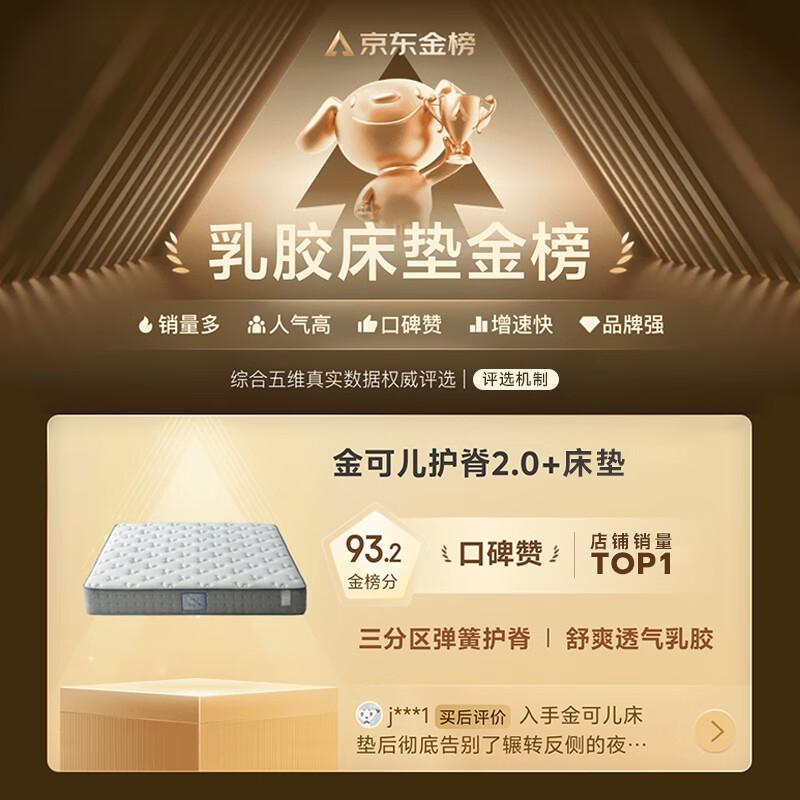
Its sleep can be summed up as soft, steady and unhard. They are well suited to the sub-sleeping population and to the families who are seeking a sense of sleep rituals, especially the couple who sleep together. This, together with anti-microbicide fabrics certified through the swiss sgs, will reassure people with high health requirements。
At the end
The choice of mattress is really not "just sleeping."。
Avoiding the five types that should not be bought and combining their sleeping positions, weights and habits would hardly make a big mistake。
Remember the old saying:
The mattresses save money and are often returned to hospitals and massage parlours。
In the matter of sleep, be reasonable, not to lose。