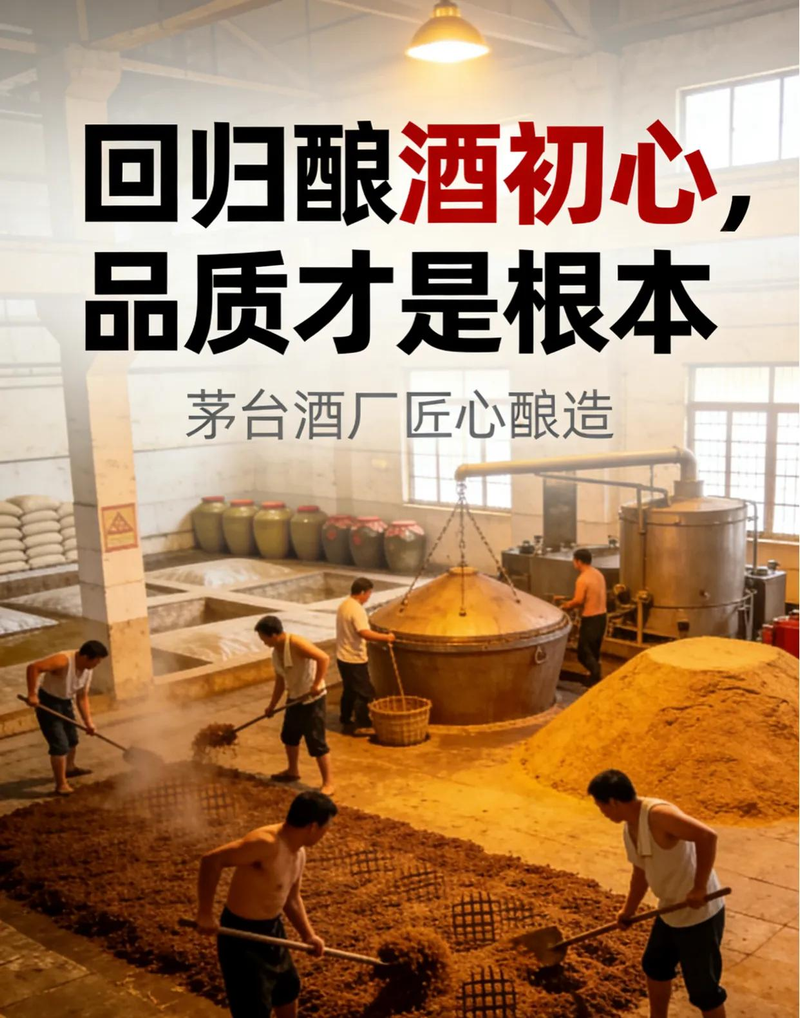
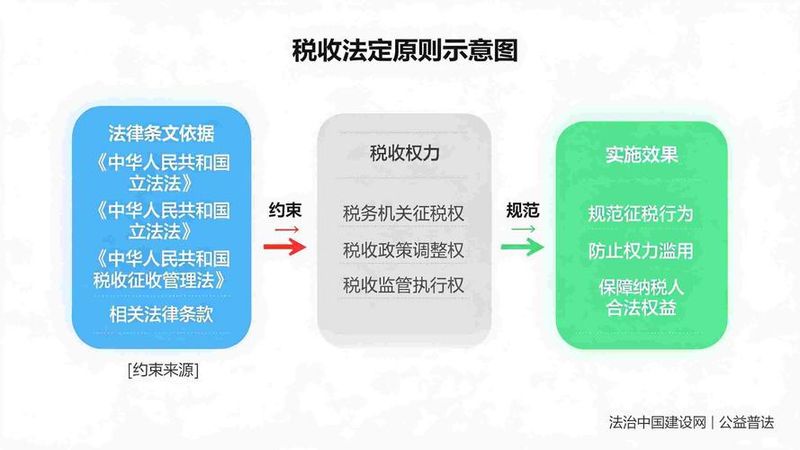
Just after the spring of 2026, the white wine ring came up with a new movement: the wholesale price of the pavilion came up in line with the official instruction price, the “liquid gold” that had been so hotly fired that it had finally faded away and returned to the ranks of ordinary consumer goods that people could afford to drink and use。
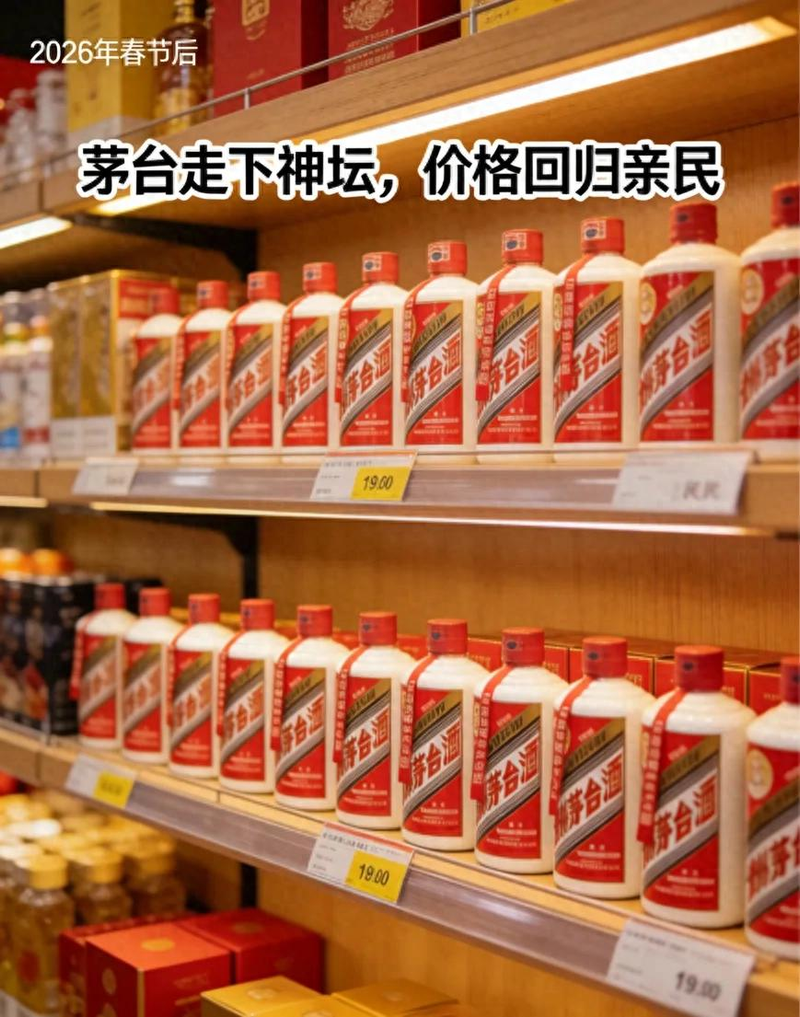
In the past, many of the first reactions were expensive, difficult to buy and appreciated. In the wake of the festivals and business feasts, the toilet became a “face symbol” and many people were hoarding alcohol to raise their prices, while the cattle were sold down, and the dealers were hoarding up prices, which were getting higher and higher. Markets have changed markedly since the spring season, prices have fallen steadily, speculation has become less and less room for speculation, and no one is holding alcohol blindly。
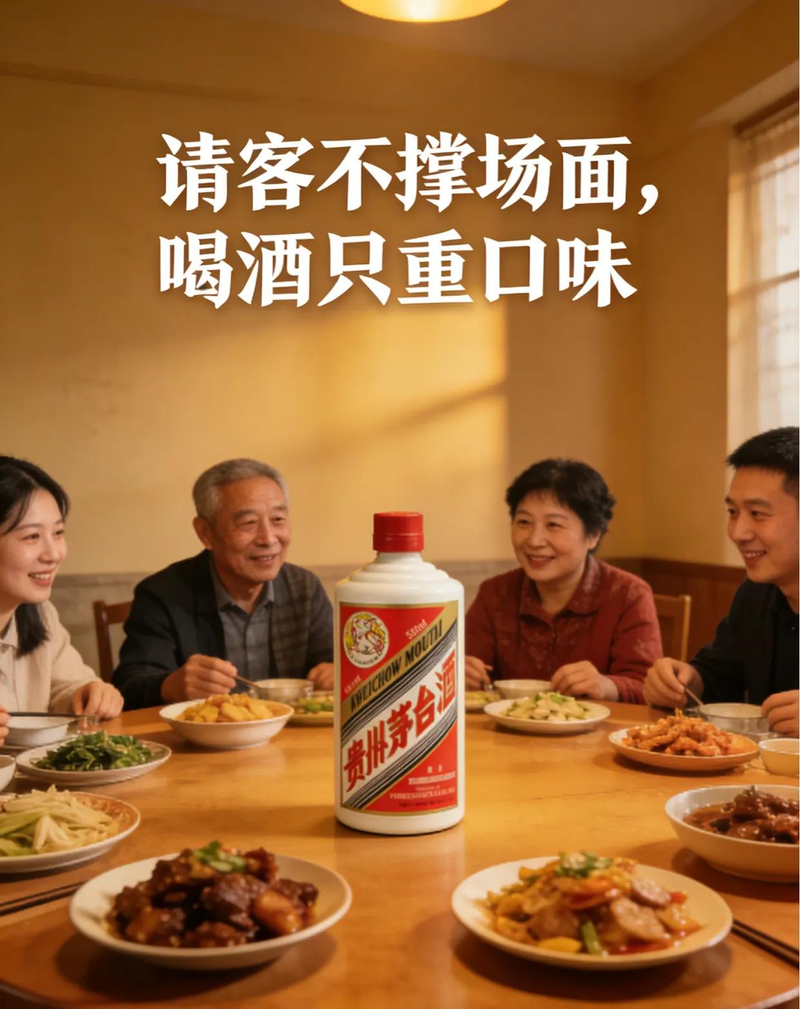
The concept of consumption has become real. Now, you're doing things, you're paying more for them, you're not looking for more expensive wine, you're having family dinners, you're having friends, you're choosing wine that's more sympathetic and beneficial. The younger generation prefers low-intensity, personalized beverages, with less enthusiasm for traditional high-end white wine, and the consumption of white wine slowly shifts from “challenging” to “heavy quality”。

The toilet is also actively seeking change, i-platform regularization, $1499 straight for consumers, cutting down the intermediate price-added chain and allowing ordinary people to buy real and cheap wine through official channels. Dealers no longer profit from hoarding, but instead provide services and secure supplies, and the market order is increasingly regulated。

It is not the altar that goes down, but rather the pail returns to the heart of the brewing and selling. Declining financial attributes, less bubbles, more people's temperatures are good for consumers and more for industry. In the future, it is the long-term development of the white wine industry that will be guided by real quality and close to the needs of the population。