"the chicken shall take place when the cucumber plant grows between seven and eight leaves, and the head bends..." on 2 october, the 62-year-old young vegetable technician, xu xiaohua, was in an unearthed garden in ordos, inner mongolia, directing local workers to manage crops such as cucumbers and eggplants。
In 1989, the country's oldest winter-heating hut was built in the village of suu-wang zhu, which became a source of agricultural facilities in china. Xu xiaohua was one of the 17 party leaders at the time. Since then, he has become a well-known local vegetable technician, training more than 10,000 vegetable growers in more than 20 provinces of the country。
In 1989, the first-generation greenhouse shed was built in zhu village。
“the first luminous vegetable shed, made of wheat gravy and mud, is made up of concrete poles and poles.” in the history of the village of san won zhu, the village director, wang iwatao, pointed to the old picture of the shed built that year and heard that some people in the north-east had planted cucumbers in winter and sold them to $20, so that the older generation could find ways to bring technicians to the north-east and start building winter-heating sheds。
In the same year, the village of zhu, san yuan, invited technicians from the northeast to direct the cucumber cultivation in the shed。
At that time, many villagers had concerns: a shed invested $6,000, equivalent to two or three years of income for a family, and once it was screwed up, there was no blood. As a result of the leadership of the shed, xu xiaohua has been fighting with his family. For some time, the mother was not even willing to talk to him。
"we're party members, we've got to take care of ourselves!" he sleeps in the shed at night, holding a roller rule every day, measuring how much seedlings grow, and checking for pests and diseases.”
On the eve of the spring festival, the head of the cucumber came on the market and sold more than 10 pounds of pork. “i grew 3,000 cucumbers 80 metres long and 8 metres wide, and now looks like i made more than 30,000 cucumbers in the year!” in that year, the village of zhu made 17 `millionaires'。
In 1990, zhou xin was promoting a large-scale winter vegetable shed throughout the county, with xu xiaohua as a vegetable technician in charge of technical training in 17 townships and 5031 huts throughout the county. None of the huts in the county failed during the year, with an average income of $20,000。
In the 1990s, succulent farmers picked beans in vegetable sheds。
Since then, lifelights have begun to expand markets and wholesale, creating a “basket revolution” and gradually calling the name “china's vegetable country”。
Auto-temperature control, intellectual fogification, automatic drip irrigation... And the seventh generation of luminous vegetable sheds are now full of “technology”. Wang chung, age 32, is a “street-two generation” with three new-style huts with an annual income of over $200,000。
“when it used to rain suddenly, the vegetable farmers ran into the shed, covering the cotton with the curtains. Now the cell phone can be manipulated and no longer sleep like a father. Today, more than 80 per cent of the use of vegetables is online, attracting more and more young people to start their own businesses。
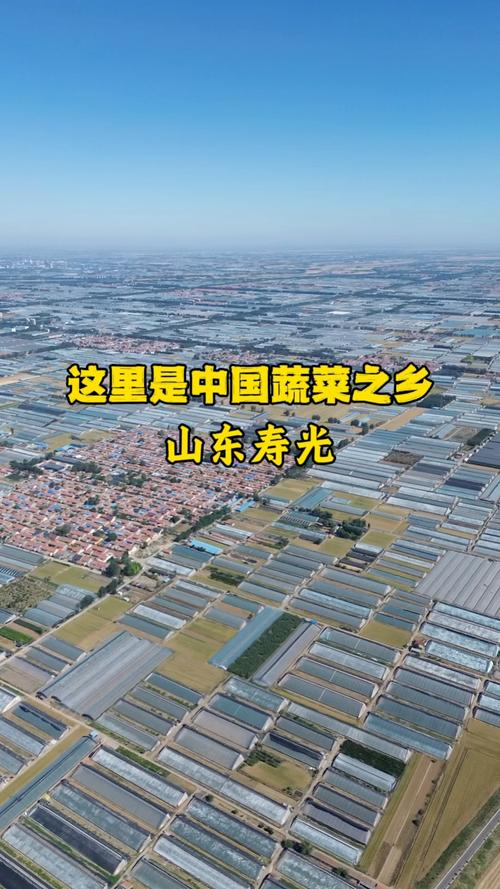
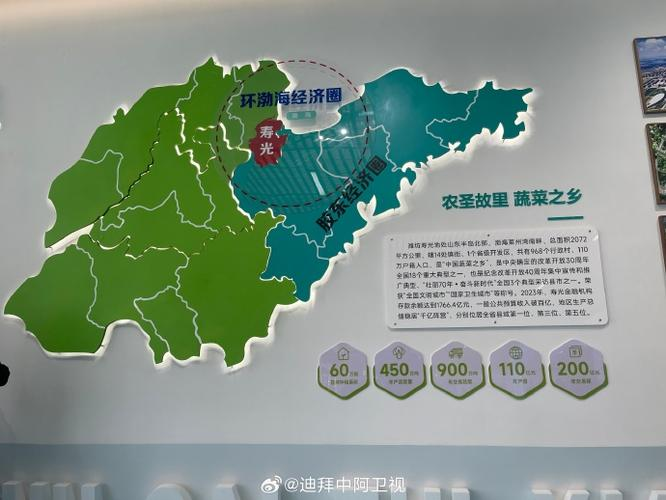
In order to “buy and sell the country”, lifelight has also established a vegetable supply system supported by agricultural logistics gardens, wholesale markets for fruit and vegetables, with more than 1,400 village head markets accounting for 9 million tons of vegetables traded annually. Fresh cucumbers in the wang chung room are transported directly to the village market one kilometre away and will soon be available to the citizens of the major cities。
At present, there are more than 150,000 radiant vegetable sheds. The huge demand for vegetable farmers has also stimulated the development of vegetable seeds. To this end, the seed engineering campaign was launched, with 224 vegetable varieties currently being developed autonomously, accounting for about half of the province's autonomous seed development.” liu xiaoxeng, the head of the three tree seedlings, said that their development of pepper seeds and their foreign counterparts were essentially the same in terms of their appearance, taste, resistance, etc., but were sold at less than a second of the foreign seeds, leading to a reduction in vegetable production。
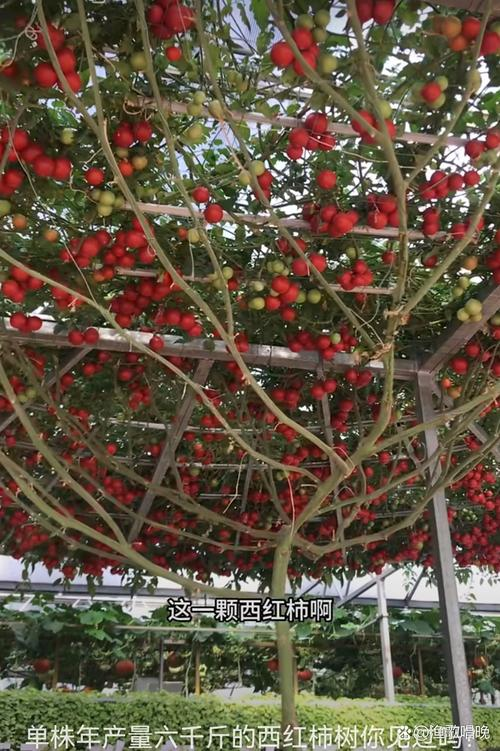
In 2019, lifelight city built a glass-smart greenhouse at a pilot demonstration base for modern agricultural high-tech technologies。
According to the party secretary and director of the agricultural rural department of suu xin city, jun yoon ai jun, lifelight has built a system of standards for the whole industry chain of vegetables and there are 12 “lifelight standards” that have been elevated to “national standards” for industry。
The front master capture standard setting, seed development, technological integration innovation, with the middle owners capturing new business systems dominated by cooperatives and family farms, the backend capturing special vegetable brands, high-end marketing channels, and the lifelight exploring a full-chain development path from a seed to a good dish。
The new journey of the new era, where lifelights are long overdue, has begun to export “suspense patterns” only to produce radiant vegetables. Today, more than 8,000 technicians have built large vegetable bases or directed vegetable production throughout the country, and more than half of the huts built throughout the country have “suspended light elements”. Lifelight also comes out of the country and has more than 300 plantations in more than 20 countries and territories. Yao guangbang, liu jiangbo, tondelo, wang jia soon, ishio, hae-yu, tong ho-jin