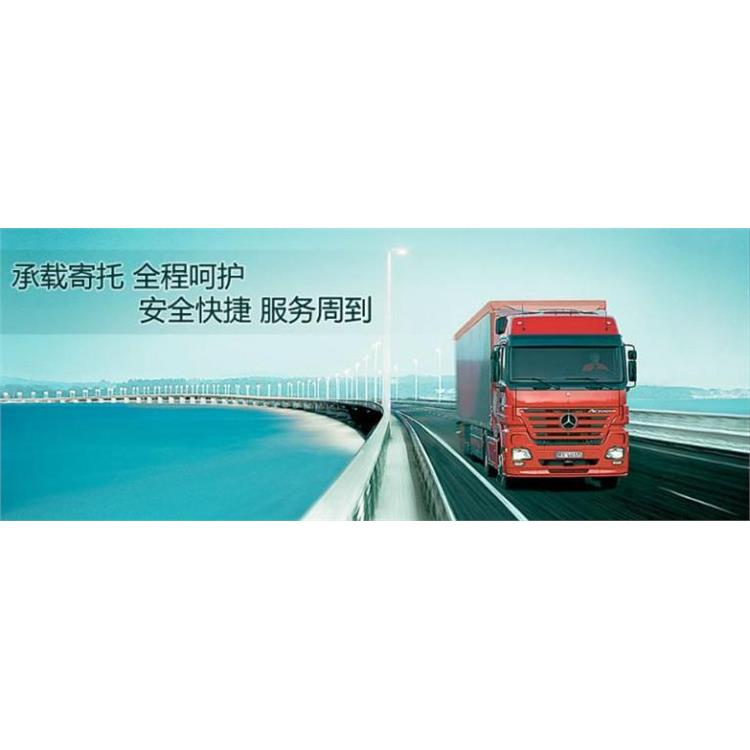
Many people now compare logistics transport with express delivery, which is a completely different two transport systems, mainly in the form of land, sea and air transport, and which target a large number of larger cargoes。
Basic processes for entering logistics goods:
1. Logistics distribution centres receive the customer's entry instructions according to storage
2. Processing of goods under signed contracts and printing of access lists on the basis of the warehouse space to which the goods are assigned
3. Goods are inspected and accepted prior to their formal entry into the warehouse, primarily for the reconciliation of goods to be entered into the warehouse and for the uniform identification of goods to be entered into the warehouse (including contract numbers, lot numbers, date of entry, etc.)
4- then the distribution of the warehouse, primarily the automatic or manual disposition of the warehouse for goods not pre-distributed, and the creation of the inventory of the warehouse
5. Inventory management is mainly a statistical search of some dynamic information on goods in warehouses
In the case of goods in warehouses, logistics companies will also manage warehouses more effectively through batch management, inventory processing, internal barge processing and stock optimization。
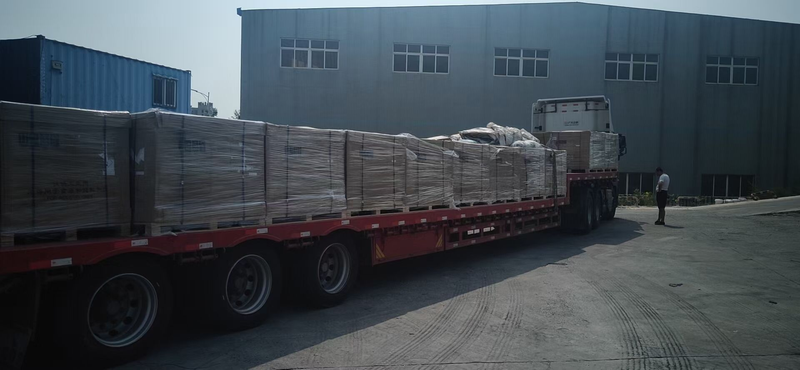
Logistics transport modes are generally classified into these categories: rail, air and road transport; 4 pipeline transport; and 5 waterway transport, which are cheaper logistics modes:
1. Rail transport: since rail transport can carry more goods and is one of the modes of transport with greater transport capacity, there are also relative advantages to rail transport, such as lower transport costs, cheaper logistics in these modes of transport, as well as less restricted by natural conditions such as weather, which can operate throughout the year, and more accurate and safer time management because of the predictability of time; the disadvantage, however, is that rail transport is more land-intensive and is relatively high in terms of losses, while capital is built up
Air transport: air transport is a fast one, but transport capacity is relatively small, nuclear capacity is controlled, costs are higher, technical requirements for air personnel are higher, air transport is more expensive and energy-intensive
3. Road transport: it is also relatively rapid because it is short-distance in time of transport, is relatively less constrained by weather conditions such as topography, is generally not delayed in normal weather and is a more flexible mode of transport. However, for reasons of vehicles commonly used in road transport, the capacity to transport is relatively small, and at the same time there is a certain level of environmental pollution, which is an energy-intensive transport at a higher cost
4. Pipeline transport: pipeline transport is carried out in a logistics mode that is relatively safe and reliable, free of pollution, low energy and low cost, with fewer land available to allow for substantial transport. (a) continuous transport, where energy consumption is low, is also an advantage
5. Water transport: water transport can carry more goods and less energy; however, the factors affecting natural conditions are very large and need to be stopped earlier in case of severe weather, so it is less time-sensitive。
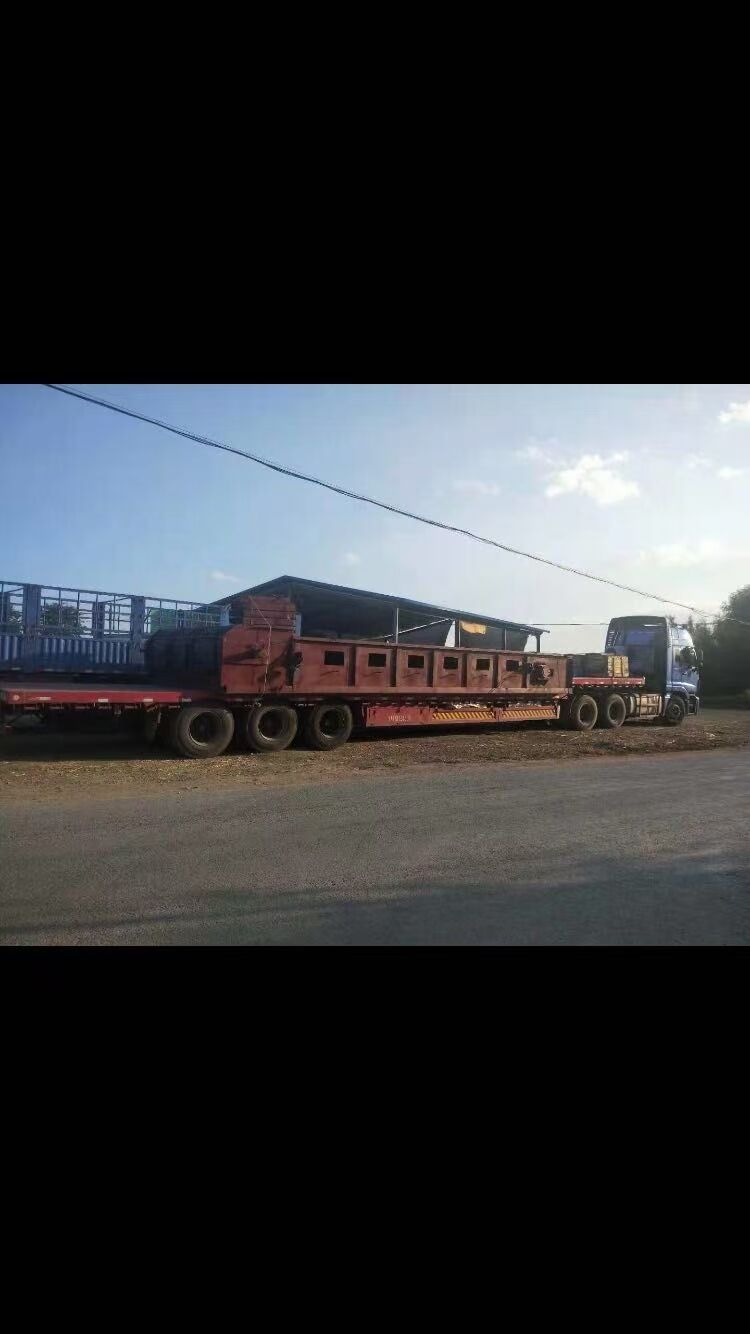
Modern logistics has four characteristics:
1. The close integration of e-commerce and logistics
2. Modern logistics is the unity of logistics, information flows, financial flows and talent flows
E-commerce logistics are a combination of information, automation, networking, intelligence and softening
Logistics facilities, the standardization of commodity packaging, the socialization of logistics and their co-existence are also new features of logistics models under e-commerce。
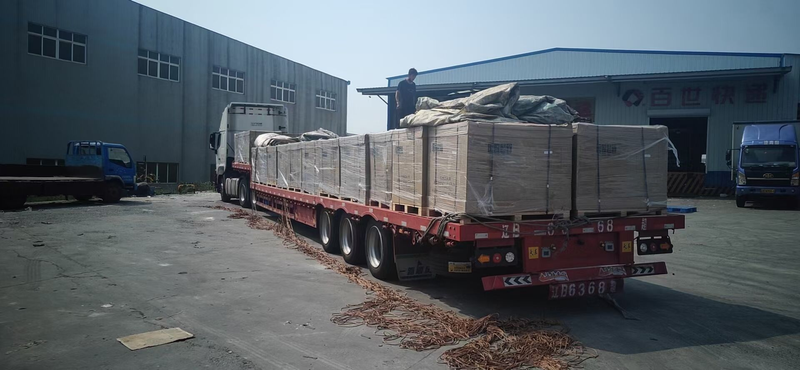
Logistics process:
1) road transport supervisor receives (fax) transport dispatch plans from clients; 2) road transport movement controls pick up warehouse documents from customers; and 3) check documents
2. Registration: 1) transportation movements are distributed on the registration form to the destination of the consignment, and the client of the consignment is assigned the pick-up number; 2) drivers are sent to the transportation and movements control centre to obtain the bill of lading and confirm receipt on the transport logbook
3. Call arrangements: 1) complete the transport plan; 2) complete the transport in transit and delivery and follow up on feedback forms; 3) computer vouchers
4. Vehicle exchange: 1) arrange vehicles according to the direction of delivery, weight, volume, and combination; 2) report the transportation plan to the client and confirm the timing of the delivery to the plant
5. Delivery of goods: 1) inspection of vehicles; 2) arrival at customer's warehouse on time; 3) processing of delivery; 4) collection of goods, building of sheds, locking of doors and processing of exit from the factory; 6) pre-obligation by telephone of the recipient client
6. In-transit tracking: 1) establishment of customer files for incoming shipments; 2) timely feedback from drivers en route; 3) delivery by telephone with incoming customers; 4) completion of tracking records; 5) timely communication with clients in cases of anomalies
7. Arrival receipt: 1) confirmation of arrival by telephone or fax; 2) return of the driver to the logistics company by means of an ems or fax fax; 3) receipt of a transport order; 4) return to the client's office on a regular basis; 5) timely feedback of the local market residence to the client
8. Return: 1) accurate arrival at the point of discharge on time; 2) delivery of goods; 3) receipt and receipt of goods to ensure that the quantity and quality of the goods transported are identical to the customer's inventory
4. Information on the sale of customer products on the local market by the consignor
9. Closing of accounts: delivery of freight to the carrier by the logistics company pursuant to a mutual agreement or contract content and completion of the process。
Our company has always pursued the corporate purpose of “good faith, commitment and satisfaction” and has made every effort to keep up with its clients and constantly innovate its products and service improvements。