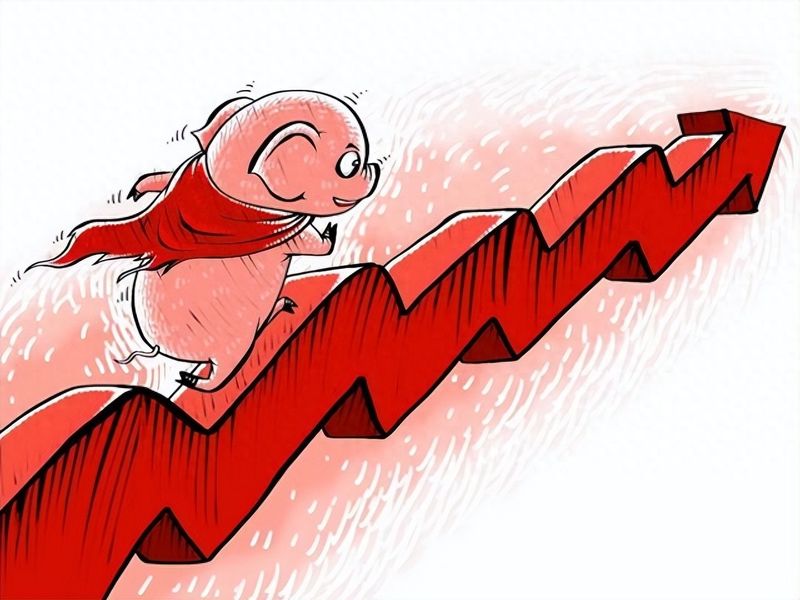
Factors behind the rise in steel prices
The price volatility of steel as an important industrial raw material is influenced by a combination of factors. First, the supply-demand nexus is one of the key factors. As the economy recovers and develops, demand for steel in the construction and manufacturing industries is increasing. For example, large-scale infrastructure projects, the dynamism of the real estate market, etc. Have pushed steel consumption. When demand increases faster than supply, prices rise。

Rising costs of raw materials are also an important factor driving the rise in steel prices. The increase in the price of raw materials such as iron ore and coal, which are needed to produce steel, directly leads to an increase in the cost of steel production. In order to maintain profits, enterprises had to raise the price of steel。
Policy considerations must also not be overlooked. The strengthening of environmental policies has led to the closure or rehabilitation of small-scale steel plants that do not meet environmental standards, which has reduced the supply of steel to some extent. At the same time, government industrial policy adjustments in the iron and steel sector, such as decapitation, also have an impact on the supply of steel, thus affecting prices。
Changes in international trade will also affect steel prices. For example, trade friction leads to restrictions on imports and exports of steel or increases in steel prices on the international market, which have an impact on domestic steel prices。
Impact of rising steel prices on related industries
For the construction industry, higher steel prices directly increase construction costs. This may result in budget overruns on some projects, affecting their progress and profitability. Developers may adjust project planning or delay project implementation。
Steel is an important raw material in manufacturing, such as car manufacturing, mechanical manufacturing, etc. Higher prices would increase the cost of production in enterprises and reduce profit margins. Some enterprises may seek alternatives or transfer costs by raising product prices。
The domestic electricity sector will also be hit. The use of steel in the shell and internal structure of household electricity products, such as refrigerators, air conditioners and so forth, increases the cost of production in household electricity enterprises. Enterprises may respond by optimizing product structures and reducing other costs。
The following table provides a clearer picture of the specific impact of steel price increases on some relevant industries:
Sector-specific impact response strategies
Construction
Higher construction costs, project budget overruns and possible impact on progress
Adjustment of project planning to optimize the construction programme
Manufacturing
Production cost rises, profit space compressions
Finding alternatives and increasing product prices
Domestic electricity industry
Increased production costs
Optimizing product structures and reducing other costs
In sum, rising steel prices pose multiple challenges for the industries concerned, but they also contribute to their continuous optimization and innovation to adapt to market changes。