The deputy general manager of the sun-tai hospital management company of hangzhou, director of the sun-tai referral centre, huang yoon-dong
"why is the price on the internet so different? Some of them are $39. 9, 58, and some of them are $120. This is the latest sentiment of the new pet king。
“taketing the pets for the vaccine, he spent $5,000 on a charge card at the hospital, and when he came home, he was told by his family that he was being treated.” this is another pet owner's experience。
Did you ever wonder, when you had your beloved cat or dog in a clean and bright pet hospital, what was the cost of this little needle
In the context of this issue of the patients medical industry watch, a journalist interviewed the director of the hangzhou sun-tai referral centre, yoon-dong, to decipher an unknown list of complex costs behind a vaccine。
Are pet vaccines profitable
The cost goes far beyond price and consumption
"a vaccine is a bottle of medicine. A hundred dollars for one shot. Isn't that too much profit?" in an interview with the pet hospital, a slightly dissatisfied pet owner in the waiting area expressed his doubts to the journalist, saying that many of the pets around him felt the same way。
In interviews with a number of in-house pet doctors, tide journalists have learned that, depending on the procurement channel and brand, the cost of a hospital with a conventional seedling or rabies vaccine is usually between $30 and $80, as in the case of cat vaccine iii, which is now widely used in the market, at $40 per needle, in addition to the cost of consumables such as disposable syringes and alcoholic cotton。
“in the perception of most pet owners, the cost of vaccines is only the price of vaccines and the consumption of injections, but there are logistics and storage costs behind them.” yoon dong said。
“a vaccine is a biological product that is extremely sensitive to temperature. The cold chain of 2-8°c, from the factory to the pet refrigerator, cannot be broken for a moment.” huang yingdong pointed to the medical refrigerator and said, “this refrigerator is far from comparable to home. It requires 24 hours of uninterrupted operation, with real-time temperature monitoring and alarm systems. In the event of a power outage or temperature loss, the full box of tens of thousands of dollars worth of vaccines will be scrapped instantly, with equipment and risk costs behind it.”
Second, pet hospitals are usually located close to communities or businesses with a high number of pets and easy to transport. This means that there is also expenditure on the rental of shops. “in the case of this hospital, which is in the name of ion thai, the rent of 550 square metres is nearly 2 million a year, the cost of renovation is 2 million, and the equipment is invested in more than 10 million. Joo dong told reporters。
In addition, hospitals are required to divide out-patient rooms, waiting areas, isolation areas, etc., and to fit the requirements for cleanness and waterproofing in specialized medical facilities, which are also fixed site costs。
Huang ying has said that doctors' training is a “hidden bill” for the expenses behind them, compared to the input that can be seen in the hardware equipment of pet hospitals. “it often takes years of practice and continuous learning for a pet doctor to graduate to be independent and to become a senior attending”. As an example, huang yoon-dong, a university graduate from the animal hospital, who is not qualified to visit and operate, can only help the attending physician “to hit”. If an independent medical examination is to be conducted, it must undergo a veterinary qualification examination. “the training and examinations in these professions are associated with the costs of a pet hospital, usually starting with a sum of 10,000 yuan.”
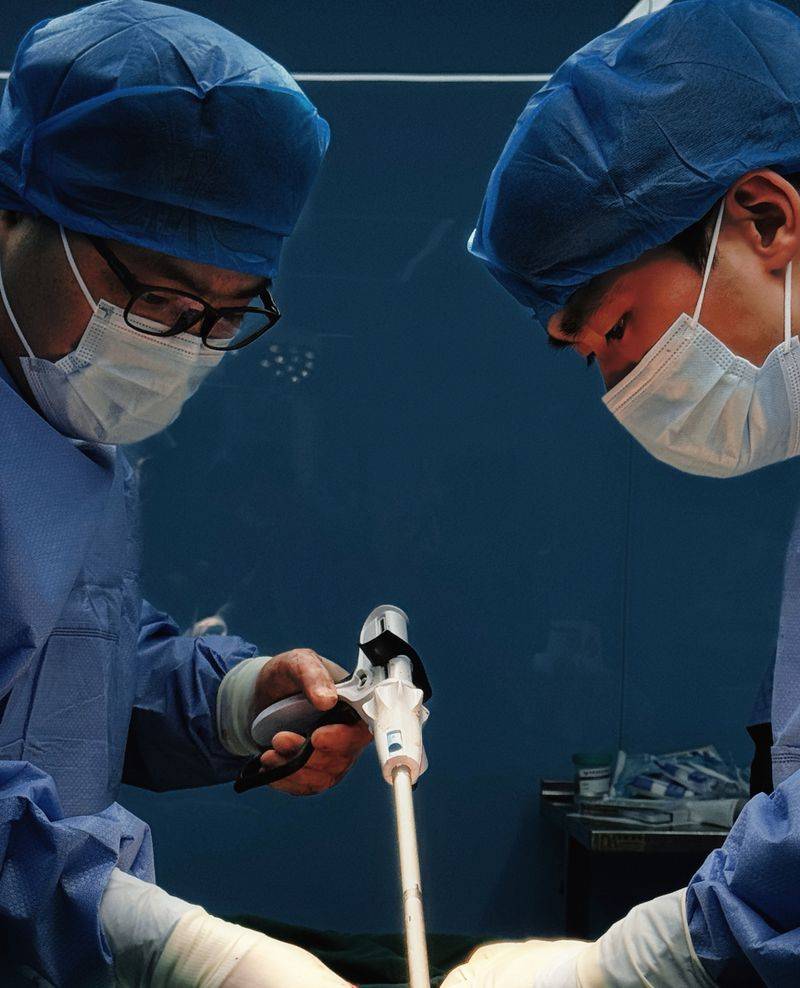
The pet doctor has surgery
It's a doctor's recommendation: spend a little money on the disease
But avoid overimmunisation
The high price of the pet vaccine is the result of a combination of multiple factors. However, pet owners are not confined to passive acceptance. Formal pet hospitals help to develop cost-effective immunization programmes, and, as huang yudong points out, the key is to understand the difference between core and non-core vaccines (e. G., canine, small, cat) and only necessary to avoid overimmunisation。
Huang yingdong suggested that the owner of the pets should be asked about the brand, batch number of the vaccine and asked for a certificate of vaccination. “this is both a consumer's right and a hospital's regulation.”
In particular, he stressed the need to recognize that “vaccination is essentially `bare money, prevention'”. An effective immunisation that avoids the thousands or even tens of thousands of dollars that may be spent in the future on treating malignant diseases is, in the long run, a very efficient health investment。
“there are now more safe and effective domestic vaccine options available in the market as domestic veterinary companies continue to expand their research and development inputs, with a direct impact on the price of imported vaccines.” in addition, large-scale chained pet hospitals or platforms can reduce the cost of circulation by centrally purchasing and working directly with pharmaceutical plants。
With regard to how to reduce the pressure on consumers for immediate payments, huang yoon described a new attempt by industry: “many pet hospitals now have health packages or insurance products containing annual vaccines, deworming and basic medical examinations. This package price can effectively lower the threshold for single consumption, while also helping hospitals to target long-term clients is a win-win model.”