Starbucks can't hold it。
For the first time in 25 years, the government announced a full downward adjustment of the main product prices。
On june 10th, a massive drop in the collective price of dozens of non-coffee drinks, such as star ice, iced tea, chai latte and so on, with a maximum of $6 and a minimum of $23。
For the first time in 25 years, starbucks entered china with a large price adjustment, which was not small。
For the products of the starbucks, the price of the big cranberry black gallons has been adjusted from $31 to $26; the price of the big peaches star ice has been adjusted from $41 to $35; the price of the big cup has been adjusted from $35 to $29..
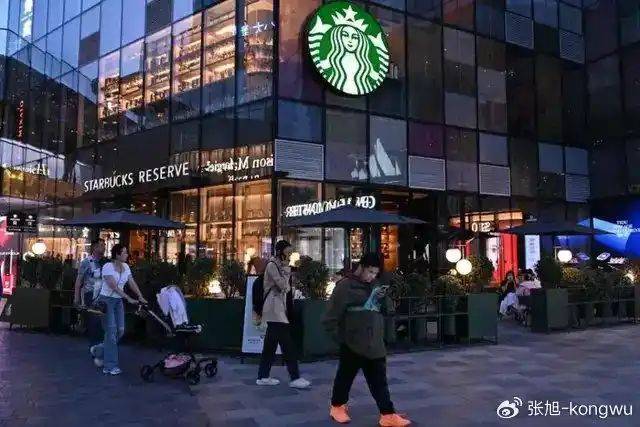
Thanks to the frenzy of rivals such as richmond, curdy, michelle ice city and so on, the $6. 9 coffee finally left starbucks out of control and had to make a drop。
Once upon a time, holding a starbuck in hand was an urban white collar identity tag; today, the brand, which has been looked up to chinese consumers for many years, has been forced to lower its high head and has been actively involved in a price-flooding stream that it once ignored。
The ice freeze in china's consumer market is melting faster。
Big cranberry black gallons down from $31 to $26; big peaches star ice from 41 to $35; big tea latte from 35 to 29... ... In the non-coffee camp of starbucks, those who had anchored the product lines of the “light luxurious tea” are now falling apart. This is not simply a marketing concession, but a “live-for-life” operation under multiple market pressures。
In response to this big move, yang zhen, china's chief growth officer, starbucks, stated in his bulletin: “starbucks has always been committed to meeting the diversity needs of its customers at different times and in different scenarios.”
The bulletin did not specify the specific cut-off date for the current round. However, in response to a query from the daily economic news, the chinese side of starbucks stated: “in the future, we will decide on a follow-up plan based on feedback from our customers”
It is understood that if the price reduction attracts more attention, it will not preclude the continuation of current prices and will not be raised。
The collapse of the fort began with heavy external artillery。
Michelle ice city has taken root in a vast market for a few dollars at a very competitive price; tea and nail's tea have taken the initiative to push down the price of the main product to a 20-dollar zone, leaving it open for users; and fortunately, it has become more aggressive — not only by tearing up the market gap with $6. 9 for coffee, but also by killing the light-milk tea track and saturating 500 million coupons. Coutine is on the move and close to it. Starbuck is proud of the price of the moats, which are becoming ever more thinner and more fragile under a pack of wolves。
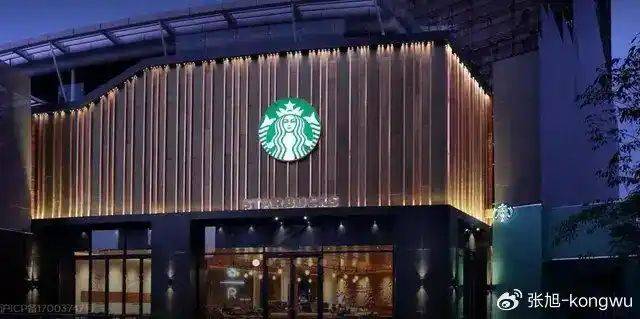
The founder of lucky lui's new cooker, kudi, has a variety of items under his banner, including orange c, lemon, etc., with the least cost of $1. 68 in kyoto, plus only $2. 68 for packing。
At any convenience store for $2. 68, it is difficult to obtain a bottle of 250 ml of ordinary drinks. “this price is like nothing. It used to be two or three days, and it's almost daily.”
It is a good idea to follow up on the subsidy war. According to a consumer quoted by the red star capital bureau, on 30 may, he entered the shysing program and found that the price of the various drinks was $6. 9. In response, it was fortunate to note that $6. 9 was not a price reduction, but a double-leave benefit for consumers for the midday festival and children's day, with a random coupon of $6. 9。
According to the red food network, the price of $6. 9 is the lowest price available for meals online in recent years since the “$9. 9” coffee price battle in 2023。
In addition to the coffee industry, a number of tea brands have joined the battle, such as michelle ice city, the king of tea. However, reuters quoted anonymous persons close to starbucks to reveal that the drop was not intended to respond to a fierce price war, but to attract more customers during the afternoon hours。
In a post on the topic of the microblogging list, "starbucks in china responding to lower prices" , some netizens wrote, "if the price is down, i can drink it. After all, there's no substitute for star ice, iced tea." and there's the internet saying starbucks: "the price drops harder, and it won't hit the other brands."
More deeply, starbucks is increasingly disjointed in product innovation。
Chinese consumers are tired of the taste of sweetness in all its forms. Starbucks’ product innovation appears to be slow and clumsy when the local brand is based on weekly high-frequency chronography, with precision in capturing local tastes such as gills and plums and the dragon wells. Last year, the 68-dollar red roasted latte, triggered a collective of consumers。
People who have tasted it say, “the strange sweet mix is hard to swallow”, and the internet chords, “like pork and coffee tumbling in their mouths at the same time”. The “innovation” so isolated from the real needs of local consumers reflects the deep-seated loss of the starbucks product strategy。
Behind this is a concentrated outbreak of the structural difficulties of starbucks in the chinese market。
Its global pride in the “third space” experience model is overshadowed by china’s new brand of “take or leave” high-growth model; its once strong brand premium molasses in a capital-driven price flood; and the gap between standardized global menus and localized demand has become more pronounced in fierce competition。
In the past two years, the price of the chinese tea market has risen and there seems to be no sign of a ceasefire. The long-standing positioning of high-end starbucks is inevitably somewhat affected。
This can be seen in the financial statements of starbucks last year: in mid-2024, state revenues decreased by 1. 4 per cent, sales sales by 8 per cent and the average per capita unit price by 8 per cent。
Behind the price reduction is the collapse of starbucks' light luxuries。
From “social currency” to “daily drinks”, starbucks' position in china’s consumer minds is falling. When the “calf 9” became market normal, starbucks was forced to step down, marking the beginning of an era of consumption dominated by brand premiums。
Starbucks is a late self-help but far from a cure. Prices are just entry tickets in the face of increasingly sophisticated choices by chinese consumers and an aggressive attack on home brands. To truly regain competitiveness in the chinese market, starbucks must re-establish the logic of product development, truly listen to china’s stomach needs, and find a new balance between quality, innovation, and efficiency。
There are no bystanders in this price battle。
Starbuck's downfall is a microcosm of the challenges of international branding in china's market. When the “high head” was forced down, it revealed not only the plight of the starbucks, but also the subject of all brands that wanted to survive in the chinese market: how to put their bodies down and truly integrate into this rapidly changing hot ground. The end of myths, perhaps the beginning of a return to reason。