Hey, folks, isn't the price of corn going down one day and getting panicky? Since late march, the maize market has been in a "fall-and-break" mode, with futures prices falling by $2360 per ton, spot markets falling by 5 to 8 cents per pound by 1. 11-1. 14 per pound in the north-east sector of the market and $1. 18-1. 23 per pound in north china. It was difficult for many farmers to sell their food in a hurry and fear of losing it, and to remain afraid of falling prices. Today it is clear to you that the fall in the price of maize is not an accident and that the five main reasons behind it have been identified and understood, so that we can be precise in dealing with it and minimize the loss。
- how bad was the price? Update
I'd like to give you some credit for how bad the corn has fallen recently:
- futures markets: dalian merchandise exchange main maize contract c2605 closed on 30 march, $2346/ton, down $22/ton from the previous day, down nearly $80/ton from the beginning of march, down from a new low since march
- the spot market: 14 per cent of the dry water grains in the north-east sector (heilong river, jilin) are 1. 11-1. 17 yuan per pound, 1. 20-1. 23 yuan per pound in the north-east (shangdong, henan) and 1. 23-1. 26 yuan per pound in the south-south distribution area, with a total of "north-lower south high" bureau
- food sales: by mid-march, the north-east was selling over 70 per cent of the food, with only 60 per cent of the north-east yellow and slow. In late march, the temperature recovered, the risk of food being stored on the ground increased, and the pressure on farmers to sell food was increased, further exacerbating prices okay
Two or five core reasons for finally dropping corn prices. Open
1. The wheat substitution effect erupted and the corn job was robbed
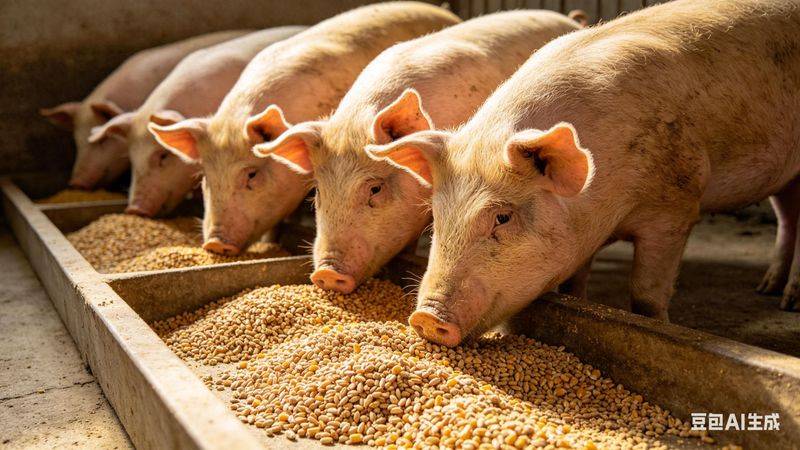
This is the most direct cause of this year's increase in the volume of policy wheat delivered, the increasing availability of wheat in toh city, the prices of which are much lower than the price of maize, and the variety of feed enterprises that “leave corn for wheat”。
- $1. 15-1. 18 per pound for wheat at a cost of 3-5 cents per pound less than corn, and $60-100 for one ton
- the proportion of wheat substitutes in feed formulations increased from 20 per cent last year to over 40 per cent today, and some enterprises even reached 60 per cent
- it is estimated that for every 10 million tons of wheat replacement, 8 million tons of maize demand will be reduced and the price of maize will be directly suppressed
2. Weak demand for farming and reduced capacity to digest maize
Seventy per cent of maize is used for feed, while farming is difficult this year, and demand for maize is naturally not high。
- piggy farming: a drop of $5 per pound in pig prices, a general loss for farmers, a low incentive for supplementing, a decline in pig production and a decrease in maize consumption
- poultry farming: low egg prices, common chicken trade, farm control bars, corn purchases falling by about 15 per cent each year
- deep-processed enterprises: low-profit products such as starch, alcohol, maintenance of 60-70 per cent start-up rate, prudent procurement, low level of inventory
3. Importing corn "scramble" and diverting domestic markets
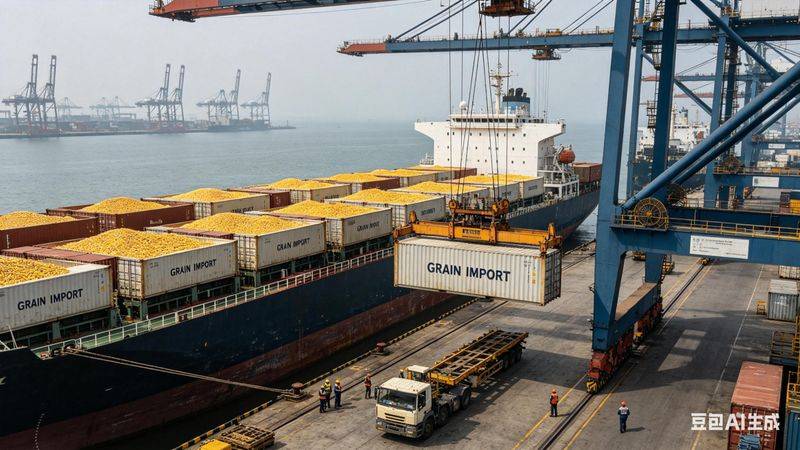
The significant increase in maize imports this year has further impacted the domestic market。
- import of 550,000 tons of corn and corn flour from china in january-february 2026, an increase of 207. 90 per cent over the same period
- brazil's maize exports are expected to reach 86. 82 million tons in march, mainly to china, at a cost of only 2,300 yuan per ton, which is cheaper than domestic maize
- corn in argentina, russia and other countries is also actively opening up the chinese market, and import substitution effects continue to manifest themselves
4. Food pressure at the grass-roots level was released, and "sell pressure" led to prices. Okay
In mid-march, the temperature rebounded rapidly, and the north-east and north-west china region increased the risk of "ground-to-ground food" storage, increasing the willingness of farmers to concentrate on food and creating a phase-by-stage pressure。

- food sales in north china's main hwang yee production area are only 60%, 10-15 percentage points slower than in previous years, with more surplus
- prudence in the acquisition of food commodities, widespread under-pricing, weak bargaining power of farmers, passive acceptance of low prices
- some farmers are concerned that prices will continue to fall in the later years, and panic sales will further increase downward pressure on prices
5. Macro-factors, collective weakness of bulk commodities
International market volatility has also led to domestic maize markets。
- the situation in the middle east has eased, oil prices have fallen by $100 per barrel, commodity prices have collectively fallen, and maize has suffered
- the global economic recovery has been weak, the risk-averse of markets has increased, and funds have been released from agricultural markets
- currency exchange rate fluctuations, changes in import costs, impacting on the pricing of imported maize, and indirectly affecting the domestic market
How much did the farmers lose
The price of maize has fallen, and the most seriously injured are our farmers, whose profit space has been severely squeezed。
- cost versus gain:
Item data remarks
Plantation cost 850-950/acre 500-600 for land, 200-250 for seeds, fertilizers, pesticides, 150-200 for machinery and labour
Acre production, 1000-1200 pounds, 14% of the dry grain
1. 11-1. 20 per pound
Acre profit, 160-490
- different types of farm losses:
- food growers (more than 50 acres): less than $100 per acre, less than $5,000 per acre
- general farmers (10-20 acres): 80 less per acre and 800 less per acre
- poorly stocked farmers: 1 - 2 percentage points of water loss for every week's late sale of tidal grain, equivalent to an additional 20 - 30 dollars per acre
Iv. Don't panic! Four coping strategies to reduce losses and earn more
1. Food sales strategy: case-by-case approach, best served
Type of food
Dry foods are sold in batches, at a price that meets psychological expectations, not at the highest level
Tide food (water > 14%) sold as soon as possible or dryed and then sold
High-quality food can wait and see for good quality, good food, good bargaining power, and can wait for the 4-may season of deep-processed enterprises to fill their pockets
Regular food sold in time to avoid the risk of a later price drop
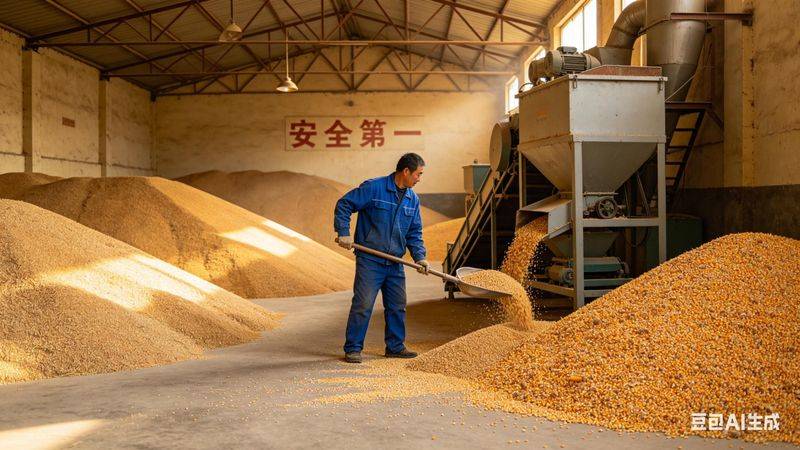
Food-sale techniques: staggered morning peaks, choosing to sell in the afternoon or on a rainy day, with less price on the car; drying, cleaning, picking up, raising the level of food and seeking a premium purchase。
Plantation adjustment: selection of pairs to reduce cost-effectiveness gain
- varieties selection: preference is given to high starch, high protein, high-quality varieties that are resistant to dense planting, such as zheng zheng zhen zhou 958 and the pre-gam 335, which are highly recognized in the market and cost 2-3 cents per pound higher than normal maize
- cost reduction: participation in professional farmers ' cooperatives, uniform purchase of seeds, uniform fertilization, uniform marketing, bulk matching of deep processing enterprises, grain banks, jumpover of brokers, reduction of costs by 5-10 per cent
- rotation of cultivation: rotation with crops such as soybeans and peanuts to reduce the incidence of pests and diseases, increase soil fertility and reduce pesticide fertilizer use volume
Stockpile management: scientific food reserves to reduce losses
- dry grain storage: reduced to less than 14 per cent and placed in a dry, ventilated warehouse or in a warehouse, with periodic temperature and humidity checks to prevent cartilage and morbidity
- tide food handling: dry as soon as possible with conditions, sell as soon as possible without conditions, not "groundside" storage to avoid germinates and bad conditions causing greater losses
- layers of storage: separate storage of maize of different quality, separate storage of good quality food, facilitating subsequent sale in groups for higher prices
4. Policy utilization: applying for subsidies to compensate for losses
- food subsidies: timely application for arable land protection subsidy, maize producer subsidy, etc., with a subsidy of $50-100 per acre
- agricultural insurance: if a maize plantation insurance has been purchased, a claim may be made for compensation based on the loss to mitigate part of the loss
- cooperative support: joining cooperatives for size farming subsidies, farm machinery subsidies, lower costs per acre and protection against market risk
V. Folks, are there any hopes for corn this year
Many asked: "do corn prices continue to fall?" when can we pick up
A combination of multiple analyses suggests that the price of maize will remain the downward trend of the shock in the short term, with the possibility of a phased rebound in april-may, but with little likelihood of a significant increase. The main reasons are: first, that the wheat substitution effect will not disappear in the short term and that policy wheat will continue to be dropped; second, that it will take time to restore demand for farming and that the price of raw pigs will not increase significantly in the short term; and third, that the import of maize to port will increase and the market supply will be adequate。
However, there is also good news: demand for maize will increase during the april-may season of the replenishment of deep-processors and feed plants, while market supply pressures will gradually recede and prices are expected to rise steadily as the availability of food at the grass-roots level decreases。
The fall in the price of maize, you know, is the result of a combination of market patterns and factors. We do not have to panic, let alone sell or store blindly. The key is to see the situation and to adopt a scientific response strategy to minimize the losses。
How much corn have you got left? When are you going to sell? Is it corn or soybeans this year? Welcome to the comment section to share your ideas and plans. Let's talk, plant the land, sell the food, make more money
Do i need to generate, based on this article, five 16:9 graphic descriptions (including the subject matter of the picture, the point of the text, the tone and style) for direct use in the figure