“having santana, not afraid of the world”, a well-known and well-known ad. Twenty-nine years of wind and rain, three generations of recollections, nearly 2. 9 million cumulative sales, santana has a very shining history, and it can even be said that most of the country’s belief in popular brands stems from it。
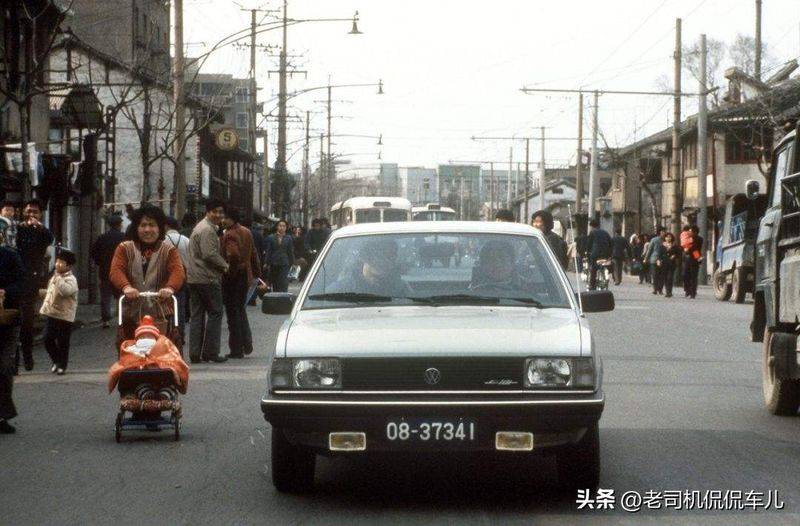
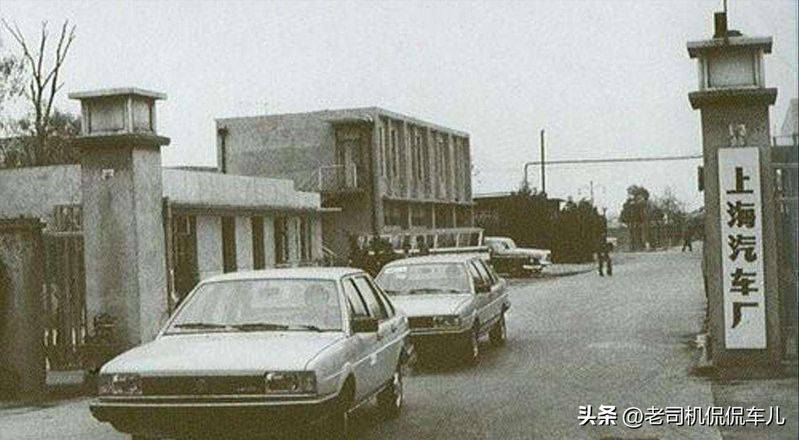
At the end of 1978, the state began to try to produce cars in the form of joint ventures with foreign and medium companies, and finally selected the only german volkswagen company willing to provide the latest technology and willing to invest in it. In 1983, santana entered china, thus opening his own glorious life。
When santana first came on the market, it was ready to price 80,000 yuan, which was already a very low price, but ultimately, the first batch of santanas sold more than 200,000 yuan, or even a car that could not be bought by ordinary people。
And why is the price so much higher than planned? There are rumours that this was due to the fact that the public in germany was advised to raise the sale price, and that santana at the time was almost alone in the domestic automobile market, so many said that the pit-countryers were often their own。
In fact, the real reason was that the domestic automobile industry was so poor at the time that the spare parts had to be transported from germany, together with the full manual installation, made it difficult to control costs, which were too high and ultimately priced 200,000。
In 1984, the exchange rate between the dollar and the renminbi was 1 to 2. 3, in 1985 the price of passat variant gl, with 75 hp, was almost dm 23,000 in germany, while the ratio between the mark and the dollar was approximately dm 2. 8 to 1. If the exchange rate were used, santana would have been reasonable to sell 30,000 to 40,000 yuan domestically, and, if taxes were taken into account, the price of 80,000 yuan would not have been excessive, but in 1985 it could have been measured in terms of purchasing power。
The price of rice in domestic shops around 1980 was approximately 1. 8 cents per pound, and the worker's monthly wage was approximately $40, at the time of a santana, equivalent to 5,000 months ' wages for ordinary workers。
The so-called pussant is only what the nation called it, when santana actually originated from the passat b2 model, when it was also a fire in germany, reaching $130,000 in the first year, but in subsequent developments santana became a cheap car。
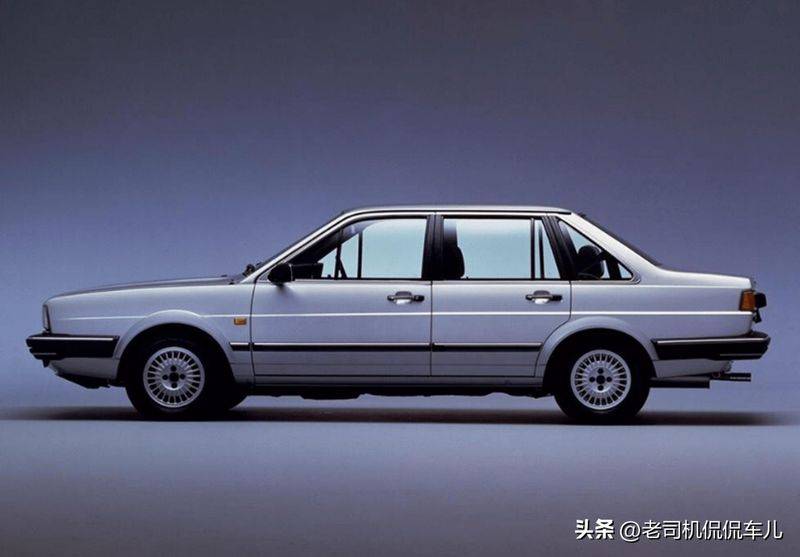
The original santana santana is 4546/1690/1427 mm wide, with an axle distance of 2548 mm, with a maximum power of 64kw and a maximum twist of 128n m, matching the 4-man-manufacturing gearbox, using a 1. 6 l-line 4-barrel 8-gas-carce oil engine. Santana, who was not weak in his own product, had solid chassis, excellent work materials and open spaces, and, together with the national automobile market at the time, had no decent product. Santana, by the way, had set up chicken herds, which had become a magical vehicle for generations。
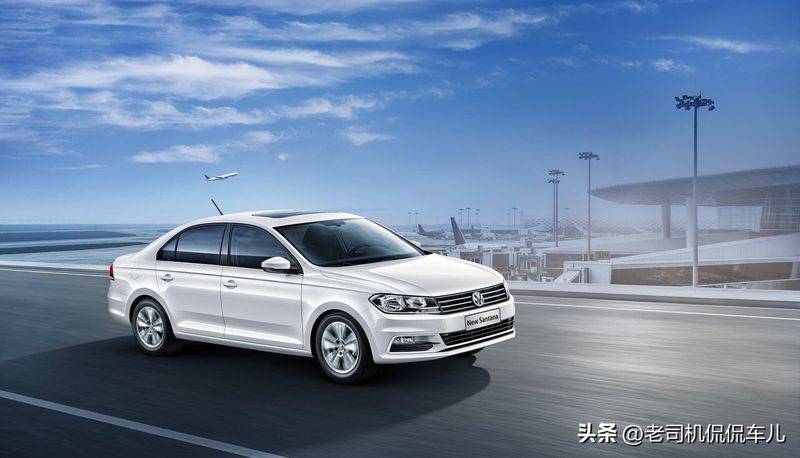
As the first car to enter china in the popular brand, santana has given many people the first impression of the quality of the german system, which is solid, stable, secure, and advanced. For people today, puzanne and san brigades are more of a bond and a good memory of the late century。