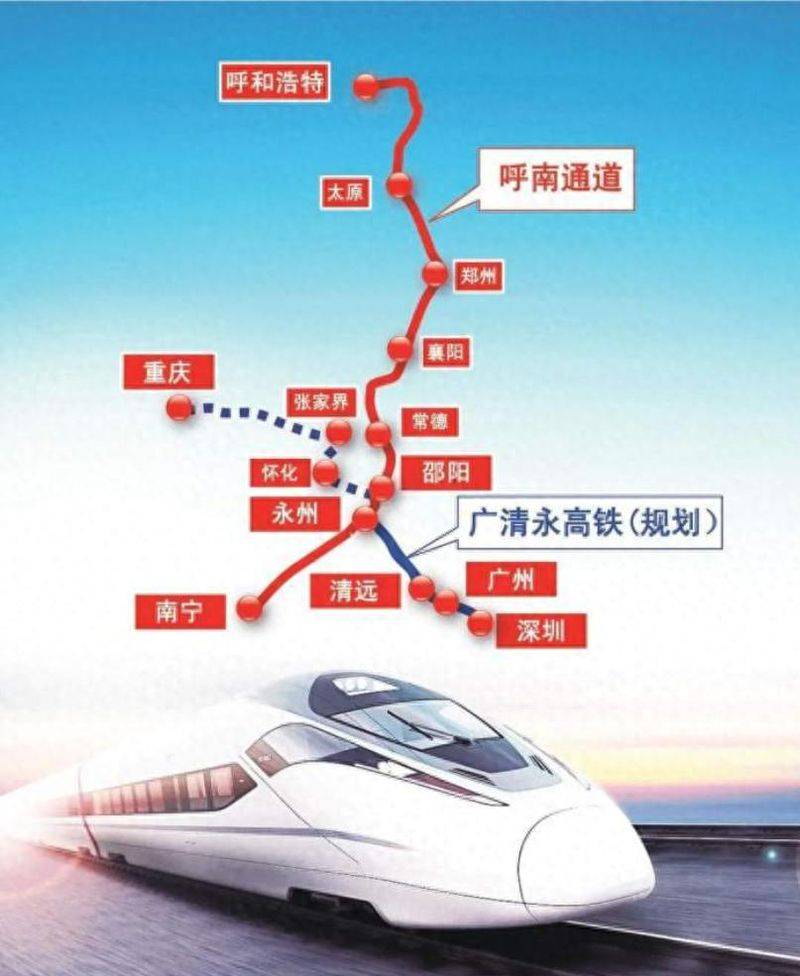
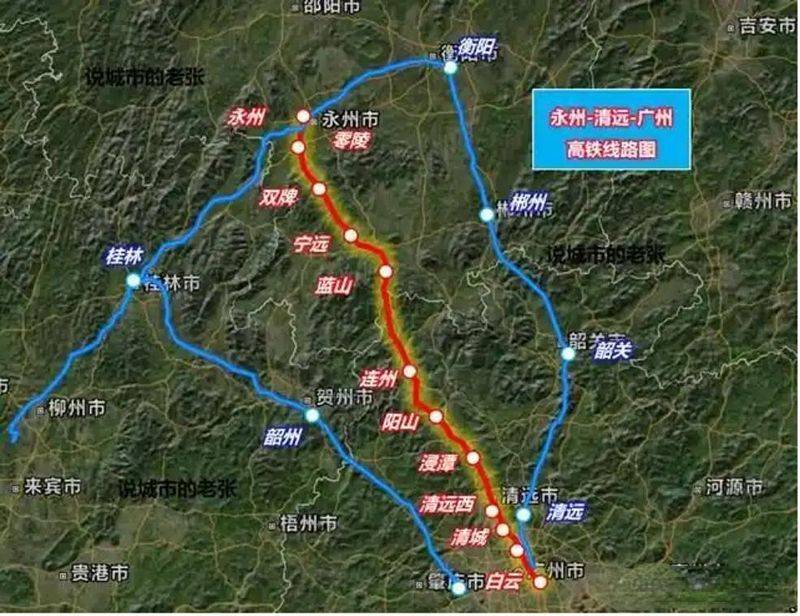
Guangzhou is far from yongzhou high iron. The project's new line, which is approximately 402 km long (160 km in the south of the lake and 242 km in the south-east of the country), is planned for a double-line, 350 km/hour scale, and is also an important part of the high iron of the wide-range rehabilitation line. Guangqing yonggil has been included in the new era medium- and long-term railway network plan and in the national “145” railway development plan, and guangqing yonggyeonggil has been included in the pre-changdong province “145” preparatory project. The planned route and stations of the guangqing yonggwan high-line line are broadly as follows: yongzhou, ningyu, blue hill, liangzhou, yangshan, inde, qingyu, guangzhou, etc。
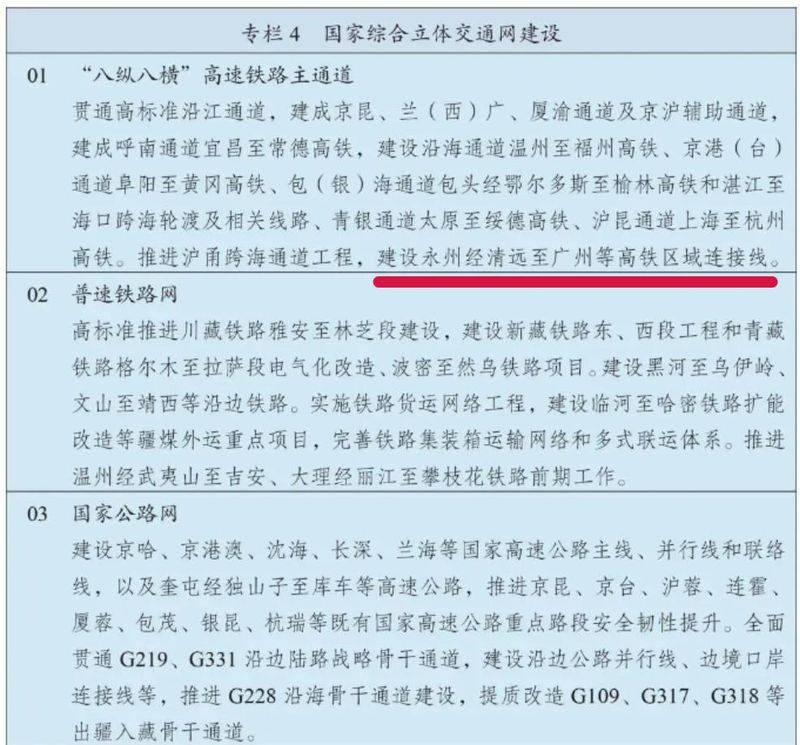
In recent days, with the official disclosure in the national “fifty-five” programme framework, which is being considered by the two national conferences, the construction of our railways has grown to a level of interest, with six planned high irons and five proposed universal railways clearly integrated into the planning structure. This is the key deployment of the country's integrated “fifty-five” railways and the improvement of the integrated stereo-transport network, marking a solid step in the transformation of our railway development from a “large-scale lead” to a “first-class quality” and network improvement, which will allow for the full opening of regional traffic barriers, the completion of road networks, and the injection of robust energy for coordinated regional development, the expansion of effective investment and the development of services to the population。
In 2025, it was the “acceleration period” of guangqing yonggil, and at the end of may the project could be reviewed; in august, the guangzhou metro group issued a comparison announcement for the project on land demolition and wiring verification from the guangzhou hub to yangshan; in september, a tender was launched for and the results of the award for the thematic services of the hunan sector environmental impact assessment and water and soil conservation programme; in october, the project could be evaluated in beijing; and from november to december 2025, the guangdong “fifty-five” plan recommended the explicit inclusion of guangqing yonggil as a landmark project。
In january 2026, the report of the guangdong province reported clearly on the “construction of construction” which, according to the latest offensive mission in qingxiang city, was to be used as an auxiliary to the country's “eight-and-eight” high-barway route, also known as the “kyoku second road”, with the project scheduled to be completed in the second quarter of 2026 with the possibility of re-evaluation and to ensure that it was officially started by the end of october. The total investment was estimated at 95. 1 billion yuan, with a design speed of 350 km/hour and 10 stations planned for 60 months。
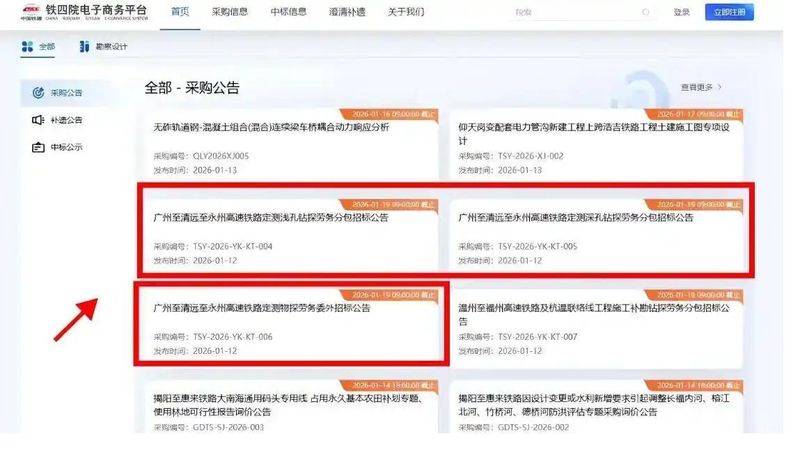
On 12 january 2026, news of the construction of guangqing yonggian iron finally came to a new end. The fourth central iron survey and design institute issued a tender announcement for the establishment of a labour sub-contract for bathymetric and shallow drilling at the guangzhou to qingqingzhou high-speed railway, moving from paper-based planning to a field survey of land. This means that the free-speed railway from guangzhou to yongzhou is officially in the initial design phase。
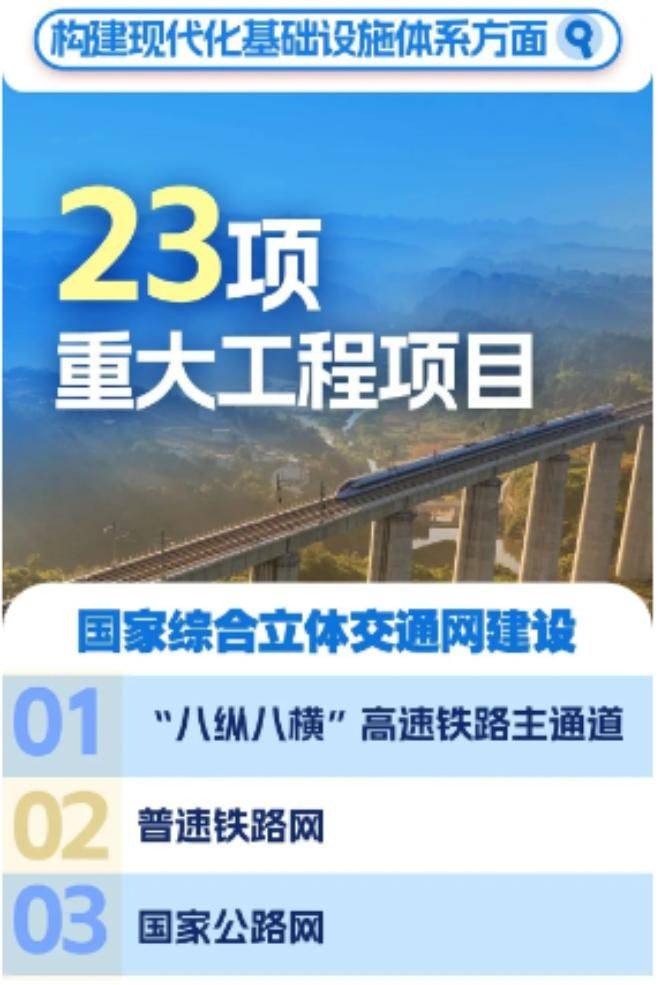
On 5 march 2026, the draft fifteenth five-year plan for the economic and social development of the people's republic of china was submitted to the 14th national people's congress for consideration. The construction of a modern infrastructure system consists of the following 23 major projects: