Online articles that talk about seo keywords are widespread, and there are basic lessons, shared hearts, and a lot of things. But there are relatively few systematic articles on seo's keyword strategy planning, and i am here today to share some of my thoughts。
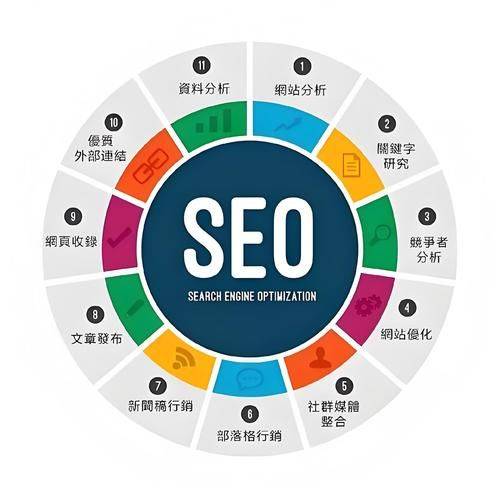
First of all, it should be known that seo is a system project with major modules such as in-site code label optimization, site content optimization, off-site link construction and domain name spatial factors. But i believe that we should start with a keyword strategy analysis before we actually do these details。
The concept of keywords (keywords), based on statements entered by potential customers or target users when they found your site in the search engine, is central not only to the optimization of the search engine, but also to the marketing of the search engine as a whole。
First, you identify your core keywords, then group them around the core keywords to produce keywords or short sentences. For businesses and businesses, the core keyword is their scope of operation, such as product/service name, industry positioning, and business name or brand name. In summary, the following techniques are used to select keywords:

1. Search volumes using tools for searching keywords
First, select some key words from the core business or industry, then search for the exact search volume of the key words (which is rarely used for google) through a key word tool in the back of the 100 bid and a key word tool in google. When searching, it is best to check them with a wide range of matches and standard matches, as some differences are greater, and then organize the key words and search volumes into a keyword search volume table. There are hundreds of keywords, many tens of thousands of them, that are usually missing from this table。
Many people use data from the 100-degree index as a reference, which reflects only search and competitive trends and is not a response to true search volumes, while one of the greatest differences between network and traditional marketing is: accurate data. Moreover, data from the 100 degree index are said to be very watery and there are too few relevant keywords for the 100 degree index. Therefore, it is recommended that the measure should not be based on a 100-degree index, but only on reference。
2. Consider what key words potential clients will use when searching for your products from a client perspective
This can draw feedback from a wide range of resources, including your clients, suppliers, brand managers and sales personnel。
3. Competition for analytical keywords
Select the relatively large number of keywords from the keyword search volume table, and then search the site in 100 degrees each, analysing the first page. Looking at the performance of these sites and the related data, such as: how long the site will be, how well the site will be, how well the site will be, how quickly it will be, how well the external chain will be, how wide the external chain will be, how wide the external chain will be, how well the site will be, how much other key word rankings, etc., will be needed here. This data will then be used to analyse whether there is an opportunity for the first page of the website. How long will it take? How much resources will it take
This step, with a large qualitative analysis component, is, first of all, a very large workload if the key word search in the list is analysed in full, so it needs to be judged first on the basis of some common sense, and the determination of competitive ratings and the optimization of one's website requires a combination of factors。
Four. No key words that have nothing to do with yourself
There's always someone who puts hot words in their own mIn the eta keyword — although this popular keyword has nothing to do with its own content. Even the brands of competitors are added to their own keywords, not only to infringe rights, but also to be prosecuted (a number of similar cases abroad) and because these so-called "hot" terms do not appear in the content of the website, they are not materially helpful to ranking, and too many false keywords may be punished for lowering the ranking。
5. Controlling the number of keywords
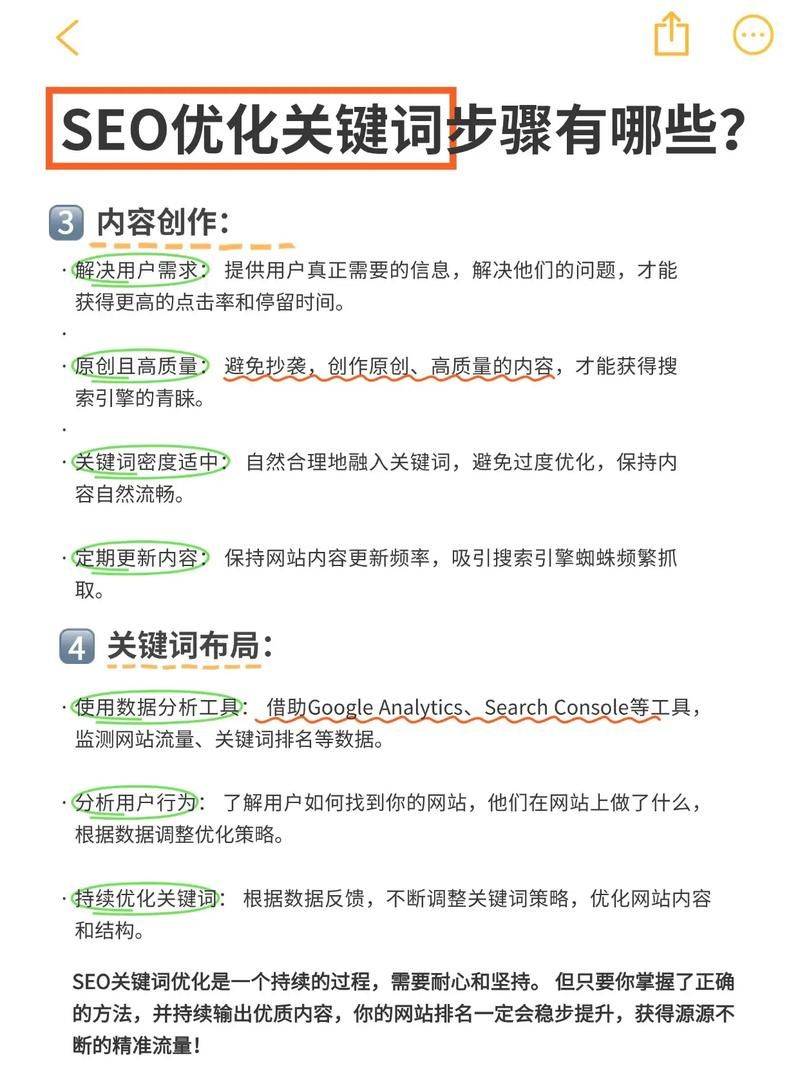
The maximum of three keywords in one page should not be preferred, and all content would then be extended to the core keywords in order to ensure a reasonable density of keywords. The search engine would also consider the page to have a clear theme. If there are indeed a large number of keywords that need to be presented, they can be dispersed and optimized on other pages, so that these pages also have the effect of "entry". This is also why the key words on the front page and on the internal page are often distinguished. Most typically, where different products and services are available, individual pages are optimized for each product, rather than being listed on a single front page。