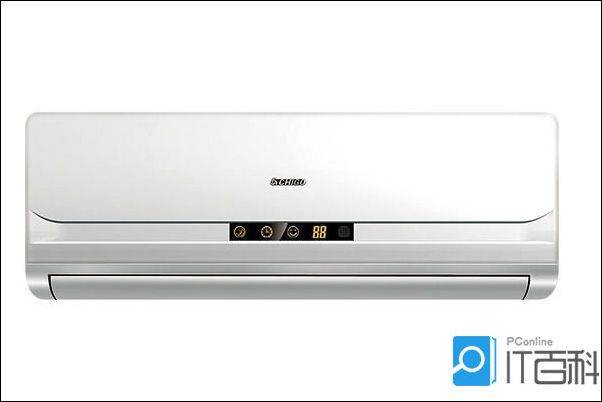
Air conditioning is very popular in our lives, and air conditioning is very important in our lives. It is important in cold winters and hot summers. And there's a lot of reliance on air conditioning for many friends. While the impact of air conditioning on our lives is very great, it is also very prone to problems when used. For example, air conditioners consume electricity, and air conditioners need to be installed on the mover. But many friends with air conditioners don't know. The following is a sub-editor for you about the installation of air conditioners。
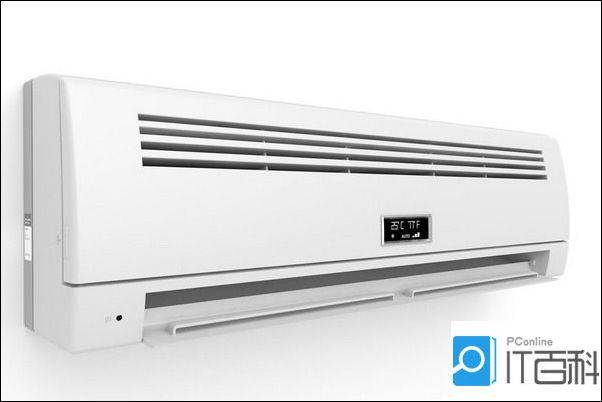
Cost of installation of air conditioners
The transporter is a specialized air-conditioning technology that appears to work as a simple air-conditioning mover with different operational results in the hands of different air-conditioning movers. Where air conditioners are required, the company authorized by the manufacturer is selected as far as possible to perform the air conditioners, otherwise the additional cost would cause damage to air conditioners. Air conditioners are installed at a price of $300 (source of price, for information only)。
Installation steps for air conditioners movers
First step of the air conditioner migration process -- dismantling
1. Refrigerated fluids in air conditioners shall be collected into the outdoor crew prior to dismantling。
Reception step: 1. 1 first put the air conditioner in a cooling state and operate。
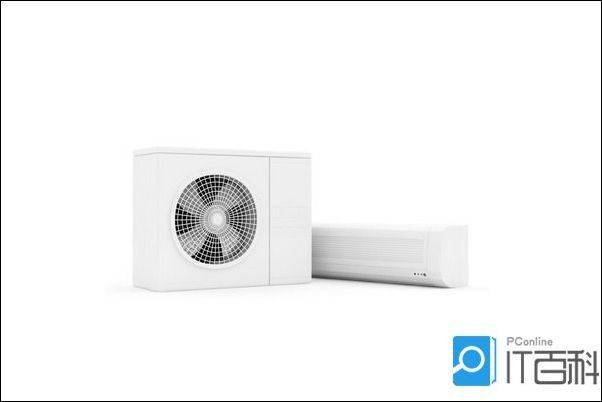
1. 2. Open the cover of the hexagonal hexagonal valve on an outdoor machine and close the high pressure valve with the inner hexagonal plater (two three valves on the side of the outdoor machine, one large low pressure valve and one small calibre high pressure valve)。
1. 3 at this time, the air conditioner is still in operation and, as the high pressure valve has been shut down, the refrigerant can no longer flow through the high pressure valve door to the interior for thermal exchange and is compressed into the outdoor crew。
1. 4 for approximately three to five minutes, there should be no more air vents in the interior, indicating that the refrigerant has been fully received in the outdoor crew。
1. 5. The three low pressure valves on the outdoors shall then be closed at this time. Refrigerated fluids were then confined to the outdoor crew。
2. Turn off the air conditioner so that it can operate the dismantling machine, remove the connection pipe from the interior and remove the cables between the interior and the outer。
Three, unconnected copper tubes, be careful to clean, and seal the pipes and three valves with plastic bags。
Air-conditioning migration process, second step -- installation
1. Outdoor locatoring, level-based installation。
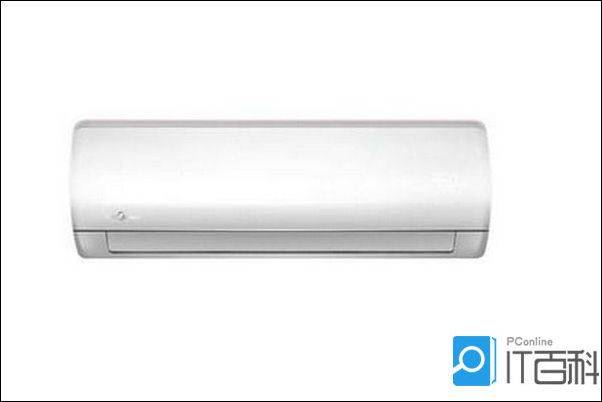
2. Indoor positioning, the interior aircraft should be careful to tilt slightly towards the exit direction, and if the direction is the opposite, condensation will leak into the room from inside the interior。
3. Pipes and cables connecting indoor aircraft。
4. Be careful when connecting the low-pressure pipes and the three valves of the outer-room aircraft, so that the adjoining caps are not adhesive and loose. Once all the pipes have been closed, the high pressure valves will be opened a little bit, and when there is a cooling fluid coming out of the low pressure pipe coding screw, the low pressure tubes will be tightened up. (this was done in order to drive out the air entering the takeover and the interior of the aircraft as the closed system was removed. I'm not sure
5. When all connections are reliably connected, all high and low pressure valves can be opened, i. E. Refrigerants can enter the refrigeration cycle。
6. On-board operation, the cable current on the air conditioner's main power line can be checked by means of a clamp sheet. The air conditioner function is judged on the basis of the rated current on the air conditioner label. In general, 220v, with a working current of 6a for one and a half air conditioners, greater than 6a indicates that there is too much refrigeration fluid and less than 6a that is too little。
Air conditioner migration process, step 3 - lactation
1. An air conditioner, if required, may be carried out on a low-pressure three valve of an outdoor machine。
2. Confirms the type of refrigerant used in air conditioners and prepares steel bottles containing refrigerants, liquid tubes, liquid tubes and pipe connections with low pressure trivalves and suitable plate tools。
3. Turn off the air conditioner。
4. Closure of the outer-air pressurized three valves。
5. Opens the removable header cap on the other side of the valve。
6. Link one of the tubes with the valves on the refrigerant cylinders and the other with the drops on the three valves, to tighten the screws。
7. Open the low-pressure three valves, place the air conditioner in a cooling state and operate with a plier on the power line。
8. After running, slowly open the angular valve on the refrigerant cylinder, at which point the refrigerant fluid is seen in the compressor inhalation system. (because the general piping is plastic, the flow of refrigerated fluid is visible)
9. Observe the calculus readings, when the readings reach the required values, close the valves on the cylinders and then observe the normal currents, which can be closed or, if insufficient, re-open the valves until the currents are normal。
10. Shut down the air conditioners and the three valves at low pressure。
Dismantling liquid tubes and twisting the hoods of the three valves with a liquid head, and ensuring that the copper cushions on the caps are intact and, if not, need to be replaced。