The 45-year-old taxi driver, the master, has had an “obscurity” in recent months — sometimes with swelling around his anus, and occasionally with puss coming out, making his underwear dirty。
Master wang, who thought it was just an ordinary “fire” or hemorrhoid, bought his own ointment. However, the symptoms were good and bad, and it was not until recently that he had to go to the anal intestine section until another bag had been drummed up next to the anus, and the pain was so unbearable that he could not sit and drive normally。
“you are not a simple hemorrhoid, but an anal fistula combined with anal anusesthesia.” the doctor then explained, “this is two of the `four kings' that are common in our anal intestinal system — anal fistulas and anal abscesses, which often accompany.”
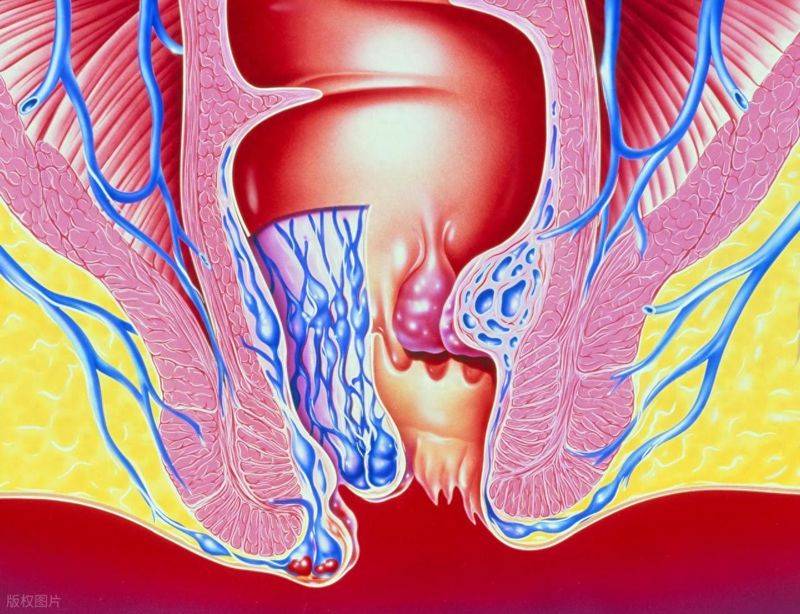
Where is the four kings
Among anal diseases, four are most common and easily confused, and are portrayed by doctors as the “four kings”, namely, hemorrhoids, anal fistulas, anuscles and anal auses. While all four diseases occur around the anus, their causes, symptoms and treatments vary widely。
Hemorrhoids are the most well-known anal diseases, with the term “ten people, nine gills”. It is one or more soft veins formed by a sprawling vein of anal rectum and anal mucous membrane. Depending on where it occurs, it can be divided into inner, outer and mixed。
Anal fistula can be understood as an abnormal “tunnel” near the anus that connects the anus (the origin of the infection) with the skin around the anus. This “tunnel” allows the excreta and excreta in the anus to be removed from the skin around the anus。
Anal fractures are small ulcer formations formed after anal fractures of the skin of the acoustic tube, with multiple perigee or elliptical shapes, often causing severe pain. It's like a mouth cracking in the dry season, just in the anus。
Anal anuscupes are acute sepsis infections occurring in the soft tissue around the anus, which eventually result in sepsis. It can be seen as a “foreward” to anal fistula, the vast majority of which has been developed by anaesthesia。
Why are these four diseases so common
The commonness of the "four kings" in the anus is closely related to our habits and the anal anatomic characteristics。
Anal exports as digestive tracts are subjected to daily defecation pressure and friction. Moreover, this area is chronically humid, aerobic, and is highly susceptible to infection due to the presence of large quantities of bacteria in faeces。
Changes in the way of life of modern people are also important reasons. Practices such as long sittings (e. G. Drivers, office clerks), lack of dietary fibres leading to constipation and excessive toilet hours (e. G. Handing out mobile phones) are increasing the risk of anal diseases。
Physically, there are several specific anatomical structures in the anal rectum, such as anal, anal, etc., which tend to store faeces and bacteria and cause infection. In particular, anal acoustics, like a “small pocket”, can easily be left behind and become the source of infection。
Data show that hemorrhoids among adults are close to 50 per cent and rise with age; anal fractures account for about 5 to 10 per cent of anal intestinal consultations; and the incidence of anal anus and anal fistula is increasing every year。
What are the characteristics of the four kings? How
Although the anal “four kings” occur around the anus, their symptoms are characterized by a careful identification of the type of disease that can be initially determined。
The typical symptoms of hemorrhoids are defecation and defecation. The internal hemorrhage is manifested in painlessness, intermittent defecation and the amount of haemorrhage is minimal, while the external hemorrhage is mainly manifested in anal discomfort, dampness and aching, with severe pain if the haemorrhage occurs. The combination of acne is both symptomatic。
Prominent symptoms of anal fractures are pains, typically manifested in severe pains during and after defecation, which can last for several hours. Patients are often afraid to defecate because they fear pain, creating a vicious circle. The haemorrhage of anal fractures is generally low, with only handwritten or dripping blood。
The main manifestation of the anal abscess is anal acoustic fever, which can be accompanied by all-body symptoms such as fever. Abscesses can be formed with a sense of volatility, such as self-absorption or diversion, and symptoms can be temporarily alleviated, but most can result in fistula。
The typical symptoms of anal fistula are repeated anal sepsis and pain. Fistula externals are broken, repeated and difficult to heal. This can be accompanied by symptoms such as itching, humid discomfort, etc。
It is worth noting that these four diseases may occur simultaneously, as in the case of “anal cracks combined with haemorrhoids” or “anal fistula after anal abscess”。
How do we respond to the four kings
Different anal diseases require different coping strategies, and the right response is essential。
In the case of haemorrhoids, there is no need for treatment for the non-symptomatics, and in the case of the symptoms, conservative treatment is the main. These include: increased intake of dietary fibres, drinking water and keeping the toilet open; avoidance of prolonged sitting and appropriate increase in exercise; and the use of hemorrhoids or embolisms, as necessary, under the guidance of a doctor. The surgical treatment is considered only when conservative treatment is ineffective or hemorrhoids are severe。
The first priority for the treatment of anal fractures is the softening of defecation and the removal of internal stasis. Most acute anal fractures can be healed through conservative treatment, including bathing and the use of nitrate glycerine. If chronic anal fractures or conservative treatment are ineffective, surgical treatment may be considered。
It is a fundamental principle that, once anal austema is formed, it must be removed in a timely manner. Antibiotic treatment alone is often not effective, as it is difficult for drugs to enter the puss. It is essential that the flow be sufficient to avoid the formation of complex fistula。
The treatment of anal fistula is largely dependent on surgery, as it cannot heal itself. The procedures include fistula amputations, end-to-end treatment, etc., with the aim of eliminating fistula while protecting anal functions to the extent possible. The choice of the technique will depend on the type of fistula, its direction and its relationship to the bicep。
Prevention of the four kings, starting with the details of life
The key to the prevention of anal diseases is the elimination of induced factors and the development of healthy living habits。
Dietary adjustment is the basis. Guarantee adequate dietary fibre intake (25-30 grams per day for adults) with more vegetables, fruits and whole grains; 1,500-2000 ml per day of drinking water; limit consumption of spicy irritant foods; and avoid excessive drinking。
Building good defecation habits is essential. Regular defecation, which is not tolerated; shorter defecation times, avoiding reading and mobile phones, such as in the toilet; and less excessive defecation, which should be managed in a timely manner。
(b) avoiding long-suspensive standings and moving up to 5-10 minutes every 1-2 hours; proper physical exercise, especially anal exercise, enhances the auscultation function and promotes local blood circulation。
It is also important to keep anal clean. Purge with warm water and avoid rinsing with rough toilet paper; and wear loosely ventilated underwear to avoid local damp。
Anal and intestinal doctors remind that the “four kings” of the anal bowels, although common, do not have to fear too much. The key is proper understanding, scientific prevention and timely access. "the anal disease is like the body's alarm, reminding us of the need to adjust our lifestyle." the doctor concluded that “watch the signs of the body, so that early detection, early diagnosis and early treatment are achieved, and that most anal diseases have good effects”. Healthy living habits are the best medicine to prevent anal diseases. From today on, attention to the health of the anals makes it easier to speak of “obscurity”。
References:
Guide to the treatment of hernia in china (2020)
Chinese expert consensus on clinical treatment of anal fragments (2021)
Expert consensus on anal anesthesia and anal fistula (2022)