Optimization of the seo website for mandatory courses
Seo refers to the optimization of the website internally and externally, based on an understanding of the natural ranking mechanism of the search engine, the improvement of the site's natural ranking of keywords in the search engine, greater visibility and the attraction of more target clients to access the site, thereby meeting the goals of internet marketing and branding. The search engine search principle is constantly changing, and the change in search principle will directly result in a change in the ranking of web keywords on the search engine, so that the search engine optimization is not once and for all. So today, the young editor brings you an excellent book of the seo's mandatory website, which he hopes will help you。
Step 1: keyword selection and optimization
Keyword distribution and density:
A. Selection of keywords: one page identifies three core keywords within the core, grouping around the core key to produce a keyword or short sentence; the core keyword selects the words that appear most on the page, consistent with the searcher's mind, and no
Use too broad a keyword。
B. Distribution of keywords: everywhere, focused. One keyword is used in the following places: web title, description label, body title, web site url, bold, italics, top part of the web page。
Key word density: key word density is usually between 2 and 7% more appropriate。
Keyword relevance control:
Add a list of similar articles and related articles to the content page. To add the relevance of the content page to enhance the match。
First page: core keywords (hot)
Column pages: relatively hot keywords (general)
Final page: end key words as long as possible (cold door)
Step 2: basic website optimization
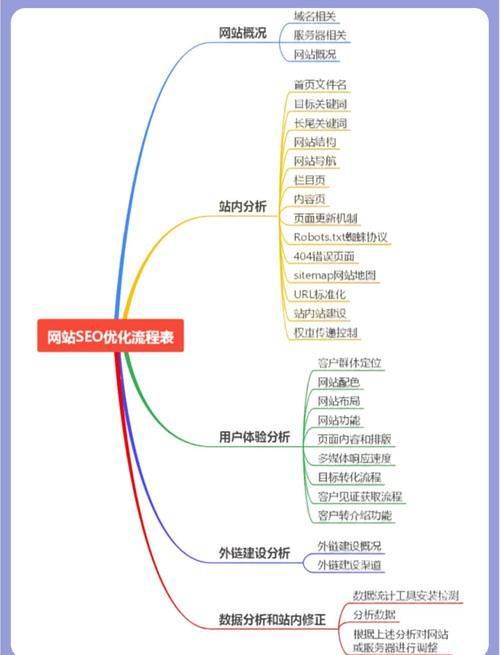
Changed according to final page template, column template, first page template order
Title and mOptimization of eta:
A. Title
Title is short, lean, highly general and contains keywords, but not too many keywords and not more than three phrases. The first few words are most important for the search engine, so the keyword position is as forward as possible. It's best to organize it in a grammatical structure
Read custom short sentences or phrases to avoid a column type. Title should preferably not exceed 40 characters in length. The bitle of each page does not exactly the same。
B. Keywords
Keywords' key to writing is that each word can be matched in content
C. Description (des)I don't know
A keyword appears in the description, which is relevant to the body of the text, following the same principle of brevity, that the number of characters contains no more than 200 characters in spaces, and adds a description that is not adequately expressed in title and keywords。
Keyword tags application:
Make tags labels for hot keywords to increase inter-page relevance。
D. Picture art
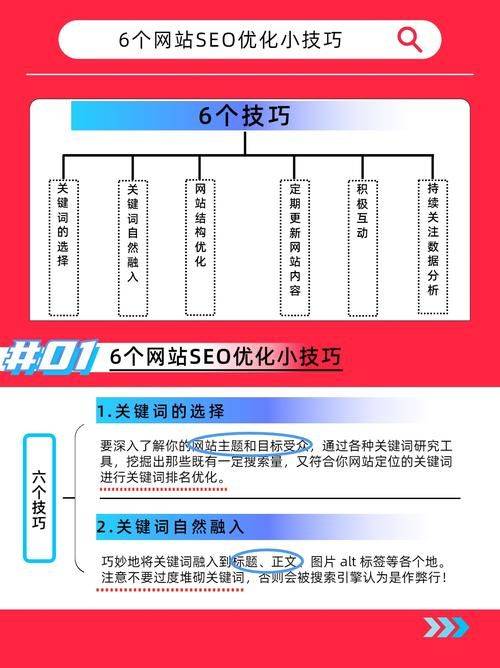
All the pictures are accompanied by an alt note (which contains key words related to the content of the pictures), which is not the only one in the country
E. Write robots. Txt files
Step 3: website structure optimization
1. Optimization of the website page HTML. This is the most basic. Script language requires user access and execution at a slow pace. The content is generated on a temporary basis during user access. No fixed document formed. If you change your website to create an HTML page, you can rewrite it with urls. This will also allow the dynamic web address to be rewritten as a static address. The effect, however, is not to create static web pages in hard drive。
2. Optimization of links to websites. Website links are the way you tell robots and your users about your website content. So the linkage strategy is also an important element of the internal structure optimization of the website. Link policy includes directory and url writing, navigation
Links, links to stations, website maps。
The directories and urls:
A. Catalogue level:
1. Arrange the catalogue logically. First page - the column page - the content page。
2. The structure of the catalogue should preferably be from level i to level ii. Don't go beyond level three。
All web pages are placed in the root directory。
B. Url static:
Replace the symbols "?" and "=" in url with "/"。
C. Url:
1. Catalogues and documents contain keywords: in english and spelling。
If multiple keywords in the url need to be separated. Do not use the underlined, use "-"。
Navigation link:
A. The main navigator is clear and clear: text links with keywords are used as far as possible in terms that are consistent with user search habits。
B. Bread crumb navigator lists all paths on the current page: e. G. Your current location: first page - 'seo technology -' shenzhen sea's current location: first page - 'web marketing
Inline link:
Add a link to the front page for the key words in the content articles of the website and, if there are many articles, add relevance to the internal links of the website, as shown in the previous and next ones。
Map of the website:
A. There are no dead links on the website. The dead link is that the web page does not exist, but the link to that page still exists. Please do not let this happen。
B. For more than 100 links to the site map, please use a page break。
C. Setmap files in xml format that generate the website are placed in the root directory of the website. Also submitted in google webmaster tool。