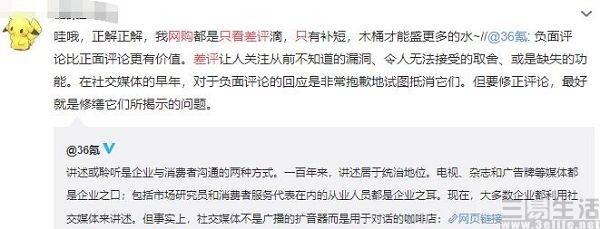
How do you negotiate with traders when you buy less than you like? Is there a friend who's angry at you? When it comes to negative assessments, perhaps because they are now mostly used to tacitly positive evaluations, and when they are evaluated they do not have much of an expression of desire, some of them are more detailed and of reference value。
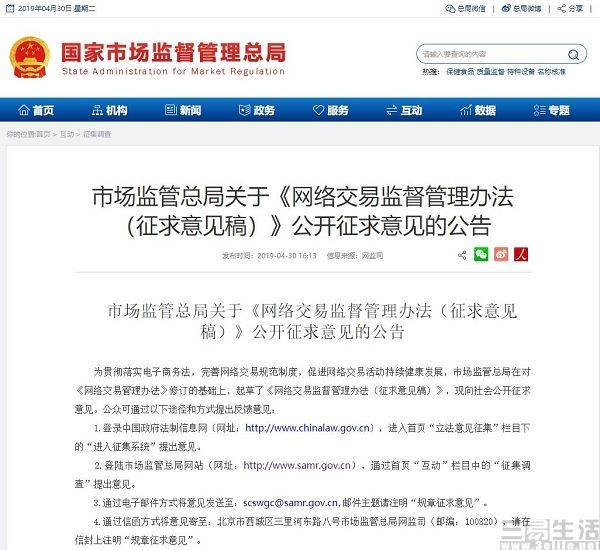
On 30 april, however, the directorate general of markets drew up a draft regulation for the supervision of network transactions (approval draft), based on the revision of the regulation of network transactions. Chapter ii, section 2, article 31, also draws our attention to the fact that “the operator of a web-based trading platform may not delete the consumer's assessment of the goods or services sold or provided within the platform and the operator of the platform”。
I don't know what you're thinking when you look at this article, but it's a shock, nani! Can you just be deleted from the platform? With an eight-point shock and a two-point curiosity, we looked for information. While it was true that previously mainstream electric power platforms such as poaching and kyoto had been available to vendors, these services were often accompanied by stricter requirements。
Theoretically, there are two ways in which a poor appraisal can be deleted, either by the buyer amending or deleting it within 30 days, although further consultations between the seller and the buyer are certainly required. Either the seller is provided with sufficient evidence to prove that the other party was maliciously evaluated and a complaint is made before it can be deleted after confirmation of the truth。
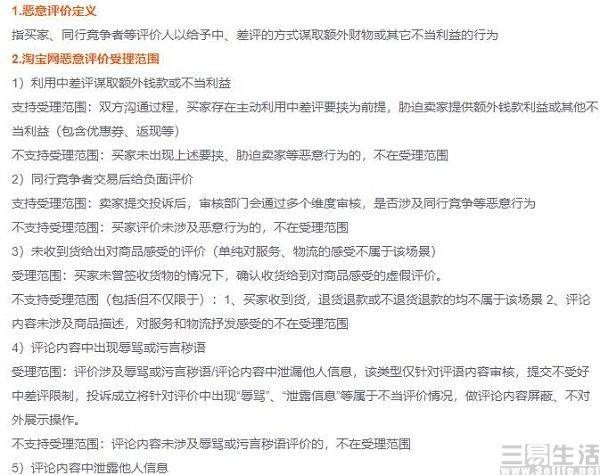
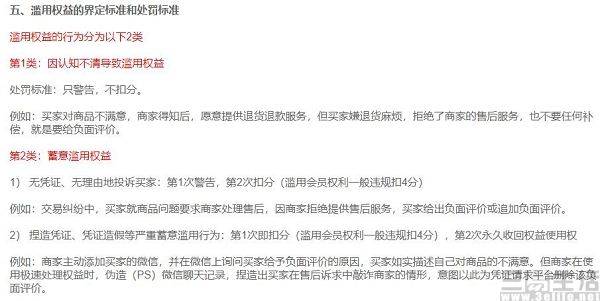
As defined in the context of treasure hunting, malicious evaluation means “an act by which an evaluator, such as a buyer, a competitor, obtains additional goods or other undue advantage by giving a medium or poor rating”. However, this year's supplementary article states that “since the new electric dealer act came into force on 1 january 2019 and the statute expressly states that the platform cannot delete evaluations, the platform has changed the way in which evaluations are handled to fold when the original complaint has been deleted”, which means that the seller wants to modify the appraisal of the treasure hunt, but must also consult with the buyer in a friendly manner to allow the other party to modify it within the time frame。
On the other hand, skycat's treatment of “de-admissibility” is much the same as that of treasure-hunting, but it is worth mentioning that the skycat side also emphasizes that abuse of interests, whether by a buyer or a seller, can be punished with credit deductions。
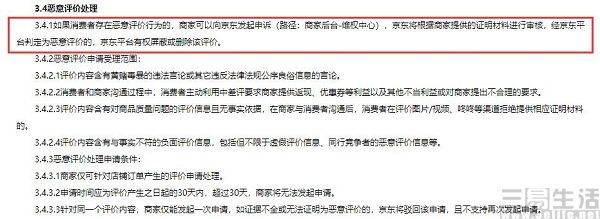
On the kyoto platform, the buyer can no longer operate after the goods have been tanned and evaluated. There are also two ways in which sellers can go, or pay back the full amount, in order to delete the mit, and in the event that a consumer engages in a malicious evaluation, the vendor can appeal to the platform, “the kyoto platform has the right to block or delete the evaluation if the evaluation is determined to be malicious”. The so-called malicious evaluation is defined by the kyoto side as “an assessment by a consumer using insulting, defamatory language or material that is manifestly contrary to the facts or other assessment contrary to the law”。
Although the major electric power stations have not been able to reach full consensus on the rules of the “de-admissibility” in the past, further recognition of the consumer's entitlement to poor ratings, following the entry into force of the new electronics act, may have shocked some poor-faith businesses。
You know, customers today spend not only on products but also on services. In today's globalized world of goods, where the similarities between goods are increasing, and where differences in services have become more and more important, to ensure high ratings, sellers may need not only the quality of goods, but also the corresponding standards of services。