I. Core process for clearance (with time lines)
1 forward filing (3-5 working days)
Sender-to-receiver filing: domestic importers are required to complete their filing at customs and to check simultaneously whether new zealand producers are registered with the customs department (available online)。
The formula is registered (baby powder only): infant powder is registered through the formula of the national directorate of market supervision, otherwise it cannot be imported! At present, only 109 offshore infant enterprises have been registered。
2 document preparation (one month in advance)
Material required:
Certificate of origin (key to tariff preferences!)
2. New zealand official health certificate/free marketing certificate
3. Component detection reports (e. G., milk content, microbiological indicators)
Chinese/english label (pre-trial! Subject to “new zealand of origin”, storage conditions, etc.)
Automatic import licences (“7 certificates, required milk powder!”)
6. Commercial invoice + packing list + bill of lading + invoice
3-to-port operations (3-7 working days)
Accelerating techniques:
1 exchange of orders + synchronization of declarations: 3 days prior to arrival, contact the freight forwarder's order and synchronize the pre-trial upload of electronic documents。
(b) pre-registration of labels: a copy of the sticker is sent to the commercial inspectorate for review in advance, so as to avoid delays in its rehabilitation upon arrival。
3 smart declaration: use of classification tools to accurately match hs codes (e. G. Full milk powder 04022. 1000, customs duty 10%)。
4 identification and release (3-10 working days)
Customs focus:
1. Consistency of nutritional composition with test reports
2. Whether the chinese label fully covers foreign information
3. Whether wood packaging has an ippc fumigation mark
After release, a chinese label is required to test the sample for sale。
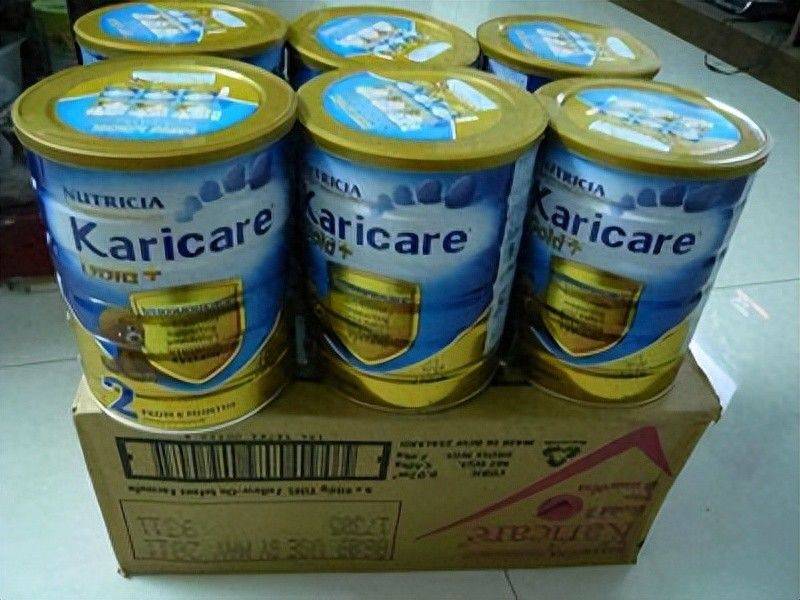
New zealand powder import clearance agent
Ii. Collection speeding (50% save time
The tag preprint saves money:
New zealand manufacturers are allowed to print bilingual labels directly and only part of the information is covered upon arrival in hong kong, thus saving the cost of labelling。
Maximizing tariff preferences:
New zealand milk powder is subject to a free-trade agreement rate (0 per cent for some products) and must be provided with a proper certificate of origin
(c) batch imports: use of annual tariff quotas to avoid excessive partial tariff escalation。
Packaging guide:
Paperbox + plastic pallet priority! A wood pallet is required to provide proof of fumigation, otherwise there is a risk of evacuation。
Warm transport: powdered milk, which requires the courier to arrange a thermostat at 20-25°c。
Hf questions answered
Q: do chinese labels have to overwrite original labels
Yes! The original label may be retained, provided that it is fully covered by information in chinese (e. G. Name, table of ingredients) and in chinese > foreign。
Q: what about being tested by customs
The 7-10-day test period was set aside in advance and the screening project included melamine, heavy metals, etc. The choice of agents with laboratory resources is more urgent。
Q: what is the tax rate
Take hs 0402210000 as an example:
Tariff 10% + vat 9% (19. 9% combined)。
Note: tax rates for milk powder are different and need to be classified separately