Transparency
Between the hills of the autonomous district of guangxi bambang, the history of human organ transplantation is being rewrited by a panama pig, which weighs only 30 to 50 kg and is known by the local population as the “ winter hog”. As shenzhen's cutting-edge genetic editing techniques span thousands of miles and meet the unique ecological seed resources of the bahamas, a “medical bridge” linking the innovative power of the bay of australia to the ecological advantages of north-west gui is formally established. As of july 2024, the institute of agricultural genomics of shenzhen, the chinese academy of agricultural sciences, and the bama institute (hereinafter referred to as the "bama institute " ), had established a pilot animal production base for the pama, the country's largest building area。
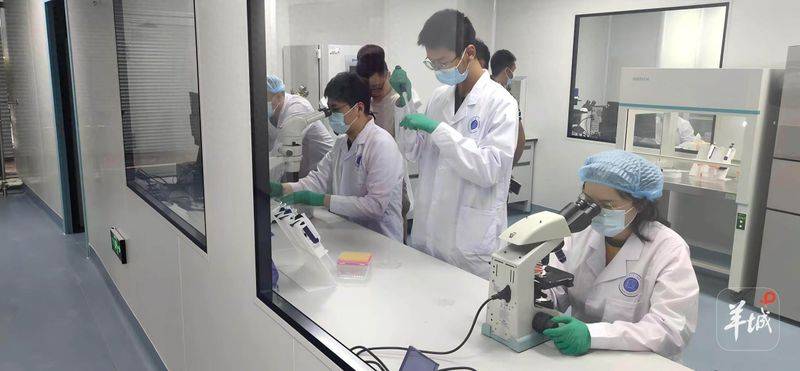
Research staff at the bama institute
In recent days, researchers at the bama institute of journalism have learned that the transplantation of human organs has become possible, while the original seeding of pig organs is a “chips” and starting point for genetic editing and breeding systems, a pure, stable and traceable seeding source, and a cornerstone for ensuring the reliability and replicability of all subsequent genetic editing. This deep-baric cooperation has led to a study of the breeding of hogs for the supply, using the techniques of genomics to analyse and protect the genetic properties of the panama pig in depth, through scientific institutions such as the shenzhen agricultural genomics institute of the chinese academy of agricultural sciences, which has now succeeded in producing three models of micro-editing pigs. This has contributed to the expansion of the bamazian pig industry from food to medical applications, not only by bringing “saving the heart of the pig organs” from science fiction to reality, but also by increasing significantly the supply and demand for organ transplants in china from 1. 7. 5 to hundreds of thousands of patients awaiting transplantation every year。
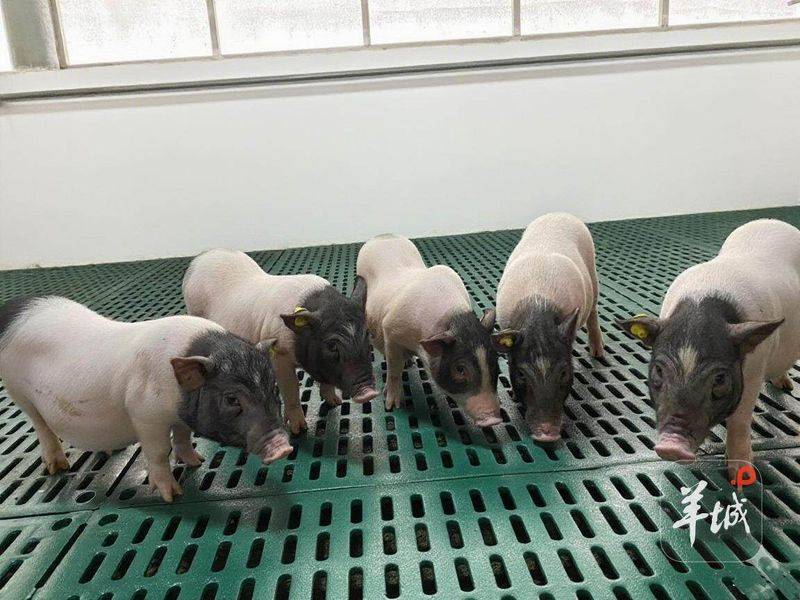
Bama pig experiment animals
Bama hog: “living organs” from nature
On august 25, this year, a research team of professors of ho construction, hospital no. 1, affiliated to guangzhou medical university, published an online paper in the international authoritative academic journal nature-medicine, reporting on the world's first successful case of the transplantation of a pig's lung from a genetic editor to a brain killer. In the course of the study, the research team of institutions such as hospital no. 1 of guangzhou medical university, led by the professor, took a left lung transplant from a pig supplier to a brain-dead person, and simulated a single lung transplant that is common clinically. The supplier pig undergoes six genetic editings in order to reduce the risk of post-immunization of its organs. After the operation, monitoring data for respiratory, blood, images, etc., show that the transplanted lung maintains a pneumatic and gas exchange function for up to nine days, during which no ultra-acute detoxification was observed and no signs of active infection were detected in the synchronous pathogen surveillance。
The pig and lung species used for the team transplants by professor ho are the bamma pigs. Bama pig can be a “hot offering” for alien organ transplants as a result of natural evolution and human selection. In the closed qast landscape of bama county, ecosystems consisting of high-oxyoxid ion air, weak alkalin springs and unique soils have developed the genetic integrity and disease-resistant properties of this species over hundreds of years of proximate reproduction - its genome was successfully deciphered in 2017 and the coding area gene is much more common than the common pig species, providing a clear “navigation map” for accurate genetic editing。
"the strength of the panama pig is born." the experts at the bama institute explained that the organs of pigs are highly similar to humans in terms of anatomical structure and physiological functions, while the smallly fertilized form of the bama pigs is more suited to human transplant needs, “the size of the adult pig's heart is close to humans and the kidney metabolic function is almost synchronized, which is not comparable to that of non-human primates”. More critically, it carries a small number and a clear sequence of “pervs” that can be effectively knocked out through crispr technologies, reducing the risk of trans-species infection from the source。
In order to safeguard this “natural gift”, the team of the bama institute has put in place a strict system of conservation of the seed resources. Each balma pig has an exclusive “identity card” — a database linked to ear-marked chips that records the full life cycle of its spectrum, health status, immunization procedures, etc. By 2024, the team had collected dna information on 50 of the core pig species and constructed coNtig n50 high-quality genome sequences up to 80 mb and the development of a domestically produced biochip, "tien peng core", for precision monitoring and transmission of seed purity。
Depth coordination: "the road to break" from laboratory to clinical
The journalists learned that in february 2022, the establishment of the bama institute marked a period of deep-seated integration of deep-seated bastion cooperation. Shenzhen agricultural genomics research has provided not only genetic editing techniques, but also clinical resources for the country's well-known tri-a hospitals, such as shenzhen city's third people's hospital, and panama's supply of non-replicable seed resources and ecological breeding environments. It was with this six genes that the team of professors at the university of guangzhou medicine (uqm) edited the pama pig and completed the human lung transplant experiment. This outcome marks the country's world leader in the field of immuno-exclusion research for alien transplants。
A crucial step in the clinical transformation, which landed at the bama experimental base. In july 2024, the bama institute obtained a licence from the science and technology department of the autonomous region for the production of general-grade experimental small-scale pig animals, which allowed for the construction of a base for the scalable development of standard experimental pig and disease model pigs. “we provide standard supply pigs, such as scientific teams for the transplantation of clinical organs, which are retrofitted on demand to ensure that the results of the experiments are stable and repeatable.” researchers at the bama institute described the construction of the bama boar model for three artery porridges as a hardening disease, as well as the finalization of the new national experimental animal resource, which provides a key support for pre-clinical research。
Cost overrun: bringing the life-saving organs into ordinary people's homes
“the cost of kidney transplants currently varies from $300,000 to $0. 8 million, and the waiting period averages 3-5 years, with many patients losing their lives without waiting for a supply.” research staff at the bama institute have shown the meaning of alien organ transplantation, while the industrial cultivation of the bama pig is driving this “cost out”。
In terms of the reproductive cycle, the bamma pigs have a pregnancy period of only 114 days, ranging from 8 to 12 per child. The deep-baric team calculated that once the scaleed clinical application is achieved, the cost of pig organ transplants is expected to decrease to 1/3-1/2 for traditional transplants. “when the spf pig farm is completed, full chain cost control will be achieved, from pig breeding to organ transportation.” the head of the bima international tourism zone investment development (group) ltd disclosed that spf (no specific pathogens) pigfields were currently designed to allow sterile pig breeding and further reduce the risk of post-operative infections and the cost of treatment。
At the heart of the cost decline lies technology autonomy. The genetic editing platform developed by the scientific team of the shenzhen agricultural genome research institute of the chinese academy of agricultural sciences and the cloning technology system have been awarded the 22nd china patent award for excellence, and the biochip "ten peng qui" has broken foreign technology monopoly and reduced seed-source testing costs by 60 per cent. “in the past, relying on imported chips, the cost of testing a pig is $2,000, and now it is only $800 for a national chip.” for example, such autonomy not only guarantees supply chain security, but also makes “priced organs” possible。
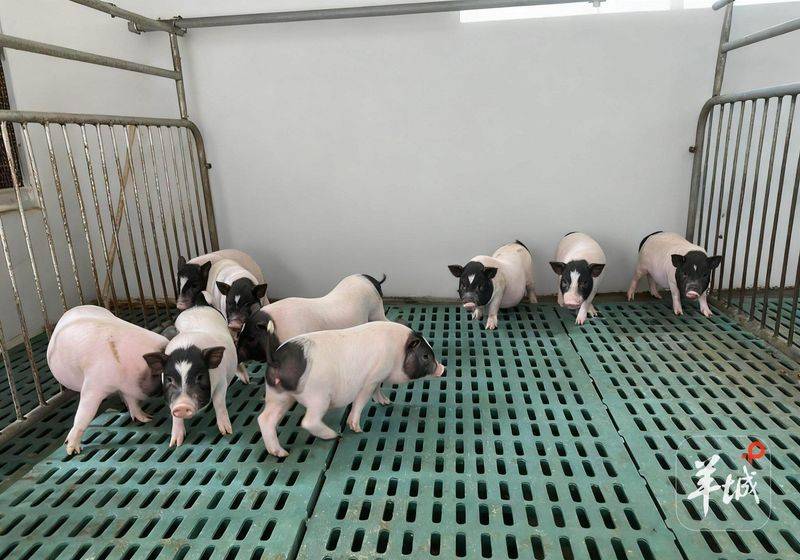
Bama pig
Outlook for the future: from the “bama sample” to industrial ecology
Despite the challenges of chronic immuno-exclusion monitoring and the development of ethical norms, pharmacological cooperation has charted a clear path to development. It is planned that the “1+n” bio-medicine industry chain will be built in bama: with the medical-grade bamma pig supplier breeding base at its core, specialized feed and genetic technology services will be developed upstream, scientific research institutes will be attracted to establish pre-clinical laboratories and downstream organ preservation transfer equipment manufacturing and rehabilitation services。
On a cooperative network, the bama institute is working with the team of failong students of the institute of agricultural and ecology of the atropics of the chinese academy of sciences to promote the development of exotic organ transplants for piglings; more than 40 master's degree students have been trained in collaboration with guangxi university and have been approved at the national level。
In guangxi's case, it's a new engine of rural renewal. Through the eco-circum-circle farming model, local farmers have been boosted, while the expansion of medical applications will increase the value added by more than 10 times. “the hormonal pig used to be a ‘eat on the table’, and the future would be a ‘favourable bed’.” in the words of a farmer in bama county, this ecological resource has been transformed into a healthy wealth。
From the hills in bama to the laboratories in shenzhen, from the breakthrough of genetic editing to the exploration of cost control, a small pama pig is carrying the life expectancy of millions of patients and writing innovative samples of collaboration with qin。