From the point of view of price competitiveness, this “sakura new buyer season” subsidy did place a “price bomb” on the market. In the case of the new 408-year-old romani version, for example, the price of the guide was $109. 7 million, and the price of the naked car was as low as $7. 23 million after cash concessions and additional subsidies。
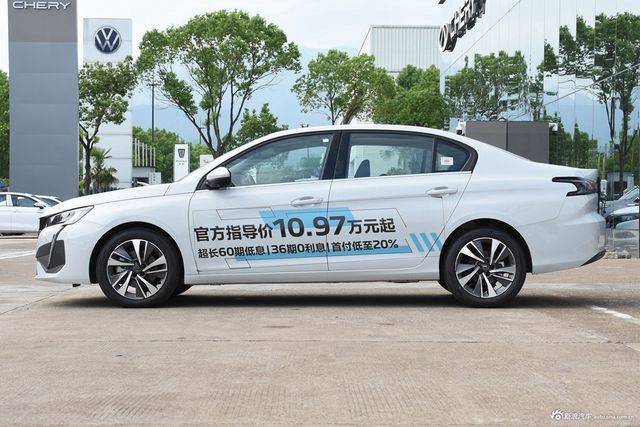
Even more surprising is the type of b-class car 508l, which, after multiple concessions, was lowered to about $115. 8 million, directly cutting into the price range of the mainstream a-class vehicle。
The price differentials are significant when compared to the same level of competitions, such as toyota camery and honda yakoto. At a $170,000 price, you can only buy the camierian elite version with a "fresh" (not even a reverse radar), but you can already use the 508l-manufactured flagship version with the l2-class auxiliary driving, panorama window, seat ventilation, etc。
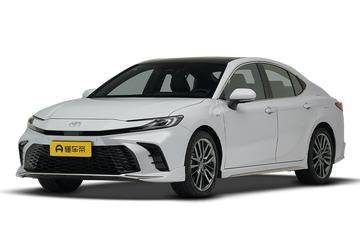
A rough calculation of the price of the two main vehicle-type end-sale price is that of the main joint venture at the same level, with a price advantage of between $30,000 and $50,000. This is undoubtedly a great attraction for price-sensitive consumers。
However, to switch to a product-power perspective, the picture becomes complex and confrontational. Proponents argue that this was the cost of a class a car and that it was the cost of overstepping driving and security experience. The new 408 chassis calibration was very well received, with only 2. 8 degrees by the side of the test around the pillars and 83 per cent rate of speed-reducing zone impact resolution, with excellent control stability。
The power mix of 1. 8t + 8at can produce 211 horsepower in combination with amvar's stagger, and chassis and bend support is the first stage of the b-class vehicle. In terms of safety, the new 408 vehicle-wide high-strength steel account for over 70 per cent of the total and has been certified as the “ten magnets of china 2022”。
However, opponents (especially a large number of real owners) point out that their slabs are equally sharp and stubborn. Carton, the motor system, slow reaction is a high-frequency tipping point, and the intelligent experience has been evaluated as “less than 100,000 class domestic vehicles”. Some anti-conventional human engineering designs, such as the 508l steering wheel that is easily shielded, and the no-head pillow in the back row, also affect the convenience and comfort of daily use。
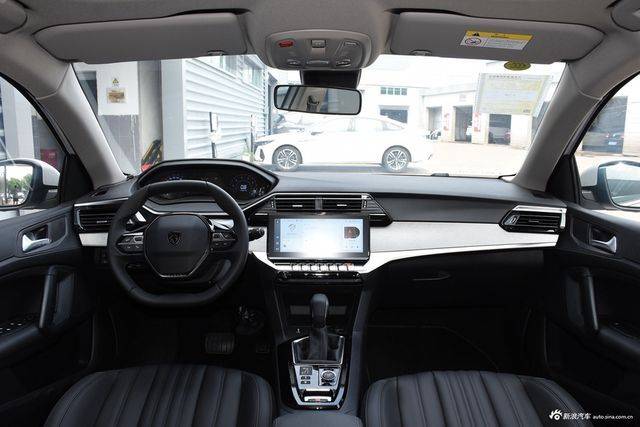
In addition, “less after-sale internet” and “impairment of small problems” are common signs of pain among car owners。
The effects of this subsidy are immediate but shallow in terms of the dimensions of the market and brand strategy. According to official data, in the first quarter of 2026, the size of the operation of the dragon automobile (which includes the markings and the snow dragon) increased by 17. 8 per cent over the same period, while the east wind increased by 19 per cent over the same period in january-february. This proves that “real silver” subsidy strategies are effective in stimulating end demand and boosting short-term sales。
Reference is made to a similar car consumption subsidy policy in the landland region, with a general increase of **10-20 per cent** in back-door entry and turnover。
But the perspective of industry analysts is more calm and long-term. In their view, such a subsidy strategy, while “resulting” in the short term, would be difficult to address for example the lack of influence of the brand. A cruel figure is that in 2025 the share of french cars in the chinese market has shrunk to 0. 2 per cent, meaning that for every 500 new cars sold, only one is french。
East wind signs face systemic challenges of continued decline in brand awareness and slow transformations of electricity。
Taken together, the east wind under multiple subsidies presents a “torn competitiveness”. Its value for money and core mechanical qualities (discretion, safety) have been raised to an attractive level enough to give “good taste” to consumers who know how to drive and whose budget is limited。
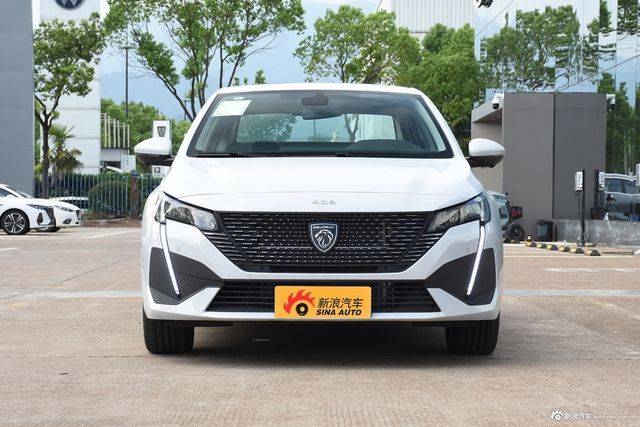
But at the same time, it is short-set on intellectualization, human interaction, brand names and channel accessibility, and it clearly places its competitiveness in a relatively small sub-market - – the “grade players” who are willing to tolerate some inconvenience and the weakness of their brand for the sake of excellence。
So it's competitive geometry? The answer is: for the “minority” that pursues driving pleasures and high value for money, competitiveness is significant; but it is still not the most sound and mainstream option for “most” household users who value brands, retention rates, intelligent experiences and easy services. The subsidy is a strong shot, but the trail of brand renewal in the east is still long。