In recent times, recycling prices have been changed overnight at waste sites near small areas. It's a disappointment that so many old-fashioned moms are pulling a bunch of old iron to sell: ordinary iron skins, broken iron pots, a pound of about a cent, working for half a day, making a few bucks。
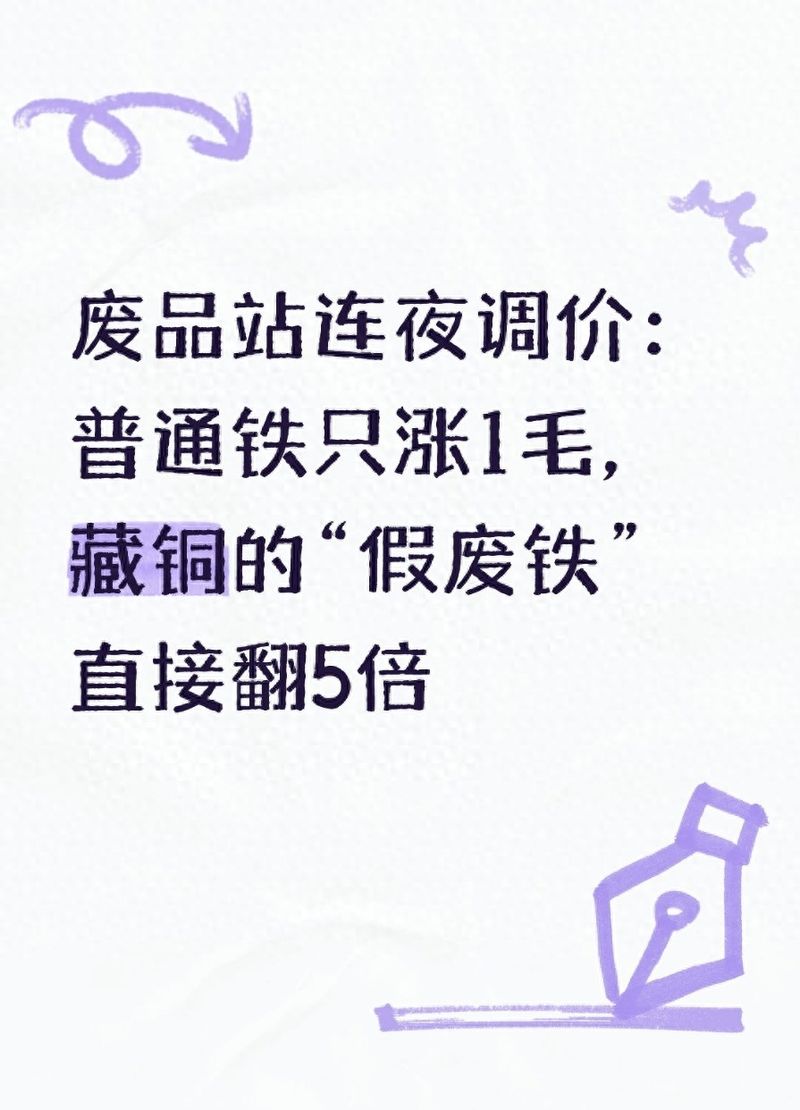
First of all, the most critical prices, which are the true offers from regular waste stations throughout the country on 27 march 2026, are as follows:
Ordinary scrap, the most common type of metal in the family: broken iron pots, wires, iron skins, old iron edges, is now between $1 and $1. 2 per pound, up or down by 1 cent compared to the lower prices before, and up by 10 per cent。
Even if you save 50 pounds of ordinary scrap, you'll earn five more dollars to buy a bottle of water. There's absolutely no need to hoard up the price。
The real price rises is in iron hulls, which are full of copper wires, called "fake iron" by the liners, which looks like iron, with copper at the core。
By the end of last year, small traders had taken it as ordinary scrap, 7 to 8 cents per pound; now, the formal waste dump is worth 3 8 to 4 6. It's almost five times as much as ordinary scrap, and it's a ground level。
For example, the most common old washing machine in the family:
An old washing machine, about 10 pounds
Last year: 10 pounds x 0. 8 dollars = 8 dollars
Now sold on copper core: 10 pounds x $4. 2 = 42 dollars
The same thing, 34 bucks back and forth and enough money to buy a few pounds of vegetables, is a real gain。
In addition to this copper core, there are two things that are more valuable than this, and it's a shame that a lot of people threw them away:
The first is a strong magnet, an old computer hard drive, an old horn, a square magnet in a big power fan, 25 pounds last year, and now 130 to 140 pounds, five times faster
The second is tungsten steel, which is decorated with tile drills, gold-processed knives, razors, small things that can sell between 690 and 710 pieces, worth more than a lot of precious metals, and never throw away as little iron。
A lot of people wonder why this kind of "false iron" is so high, isn't it because the merchants are deliberately peddling
First, copper is so scarce that it is being looted in all walks of life. The construction of new energy vehicles, the installation of photovoltaic panels, the conversion of the national electricity grid and the construction of data centres are all dependent on copper, which is used several times more in a new energy vehicle than in a normal fuel truck. Slow and costly primary copper mining and copper wires in used electric power plants have become the most cost-effective alternative resource, and the demand has increased, naturally。
Secondly, waste recycling is becoming more and more standard and less common. Used to be a small, mobile trader, whether or not you had copper in it, who took it at a scrap metal price and pulled it back to make the difference. Now the state demands that the formal wastebin be priced, charged by material, copper, iron, and iron, and we get real high prices。
Thirdly, states are increasingly focusing on the reuse of used resources. The promotion of a recycling economy, recycling of used metals, is more environmentally friendly and resource-efficient than the extraction of new ores, and the state is fostering the formal recycling industry, where prices will naturally return to real value and will not be reduced at will。
Here's a list of the most common valuable waste items in the family that can be found every day
1. Parts removed from old household appliances: washing machines, air conditioners, refrigerator compressors, old-style downing fans, microwave transformers
2. Agricultural and hardware tools: domestic water pumps, small submersible pumps, hand-drilling machines, angular grinding machines
3. Electronic used objects: old computer hard drives, old soundbox speakers, old welders, small pressurers
4. Refurbishment of the remaining waste: clean copper wires for shredders, brass taps, brass valves。
These things, which used to be either thrown directly into the trash cans or sold together in scrap metal, cost half of the money, are now known and must be left alone and sold alone。
Finally, i'd like to tell you about three practical little tricks for selling junk that ordinary people can do, and make more money without stepping on the pit:
First, it must be sold in groups and never mixed. A bag of ordinary scrap iron, a bag of copper cores and a single bag of copper wires and magnets, to be sold together, and the recycling station will account for you only at the lowest price of scrap metal, especially at a loss
Second, try to find regular waste stations and not mobile tricycle vendors. Formal recycling stations are licensed, priced and weighed; mobile traders are often under-priced, under-priced, easy to watch and actually under-sold
Third, it can be dismantled simply, with higher returns. For example, the wire strips the skin off and sells only the copper wire in it at a much higher price; the machine removes the copper wire and magnets, sells them separately more valuable than the whole sale; and when the power is broken, it does not hurt your hands。
In addition to the latest developments, the price of copper has remained high, there are no signs of a major drop, and the price of copper cores is stable。
Used to think it didn't matter if you lost a few bucks, but now you understand: it's not the junk that's worthless, it's the resources that we don't take seriously. The state's circular economy actually allows ordinary people to earn real money from `waste'。
Those old objects that we used to treat as broken and abandoned by hand are essentially reusable resources, except for the opportunities that we used to waste when we didn't understand them。
You might want to go home and turn over the storage room, the balcony, the garage and see if there are any of these old electric machines, old pumps, old hard drives and maybe a small “unforeseen income”。