Commodity indices are statistical tools for measuring price changes in specific commodity markets, reflecting the performance of commodity markets as a whole by combining prices for a range of commodities. Commodity indices typically consist of a variety of commodities, including agricultural products (000061), energy, metals, etc., the choice of which is based on their importance and liquidity in the economy。
Commodity indices are calculated in a variety of ways, but most of them use a weighted averaging method, whereby different weights are given depending on the market share or volume of transactions for each commodity. For example, certain indices may give higher weight to crude oil, which occupies an important place in the global economy. In this way, commodity indices can provide investors with a clear perspective on overall commodity market developments。
Commodity indices are not only a reference tool for investors in commodity futures trading, but are also important indicators for macroeconomic analysis. They can help policymakers, economists and investors understand inflationary pressures, trends in economic growth and the stability of global supply chains. For example, when the commodity index rises, it may indicate an increase in global demand, thereby boosting economic growth; conversely, the decline in the index may signal weak demand or oversupply。
The following is a simple table showing the different types of commodity indices and their main components:
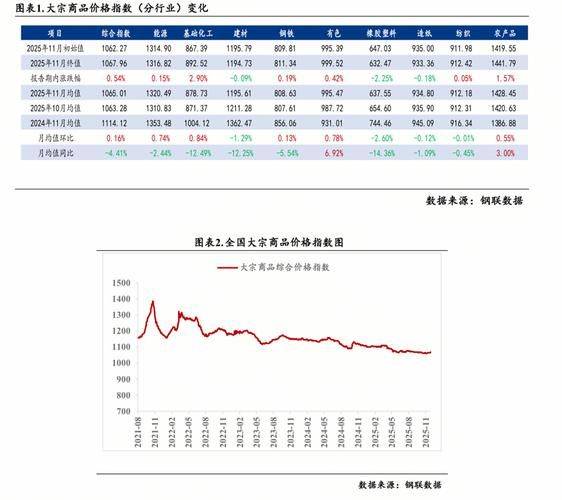
Distribution of major components of index name
Crb index
Energy, metals, agricultural products
Distribution by market influence
Bloomberg commodity index
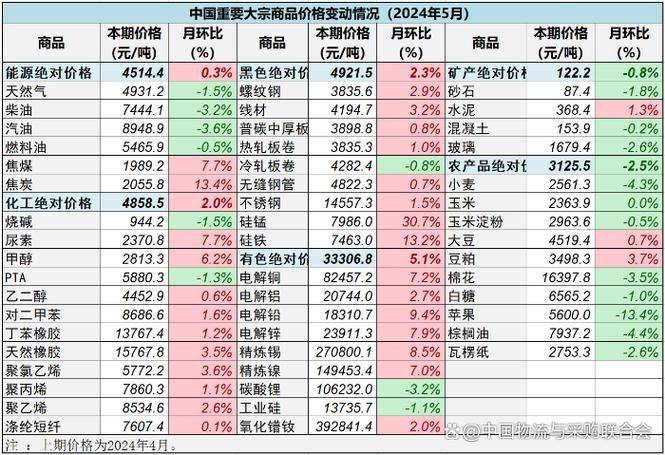
Energy, industrial metals, agricultural, livestock products
Based on volume of transactions and market share
Reuters crb index
Energy, metals, agricultural, livestock products
Based on the importance of global markets
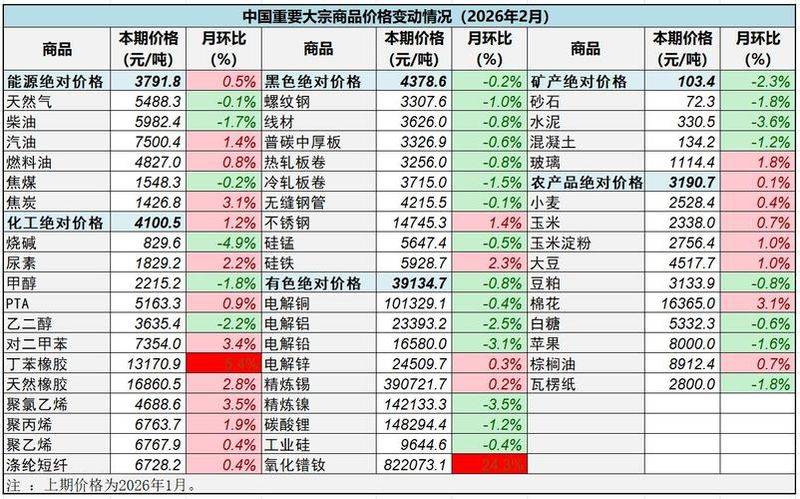
Investors can develop investment strategies by tracking commodity indices. For example, investors may choose to purchase futures contracts for a commodity if demand is expected to increase. In addition, commodity indices can serve as instruments for portfolio diversification and help investors to diversify risk。
In sum, commodity indices are important tools for understanding and participating in commodity markets. They provide not only visual representation of market trends, but also policy support for investors. Through in-depth analysis of commodity indices, investors can better capture market dynamics and thus make informed investment decisions in complex and volatile commodity markets。