It is now clear that there will be a gradual recovery of temperatures, increased rainfall and a quiet change in the water environment。
A number of farm teachers have made it clear that a good job is being done to prevent insects and to keep fish all year round。
Particularly among fish farmers, the deworming must not be lazy or delayed。
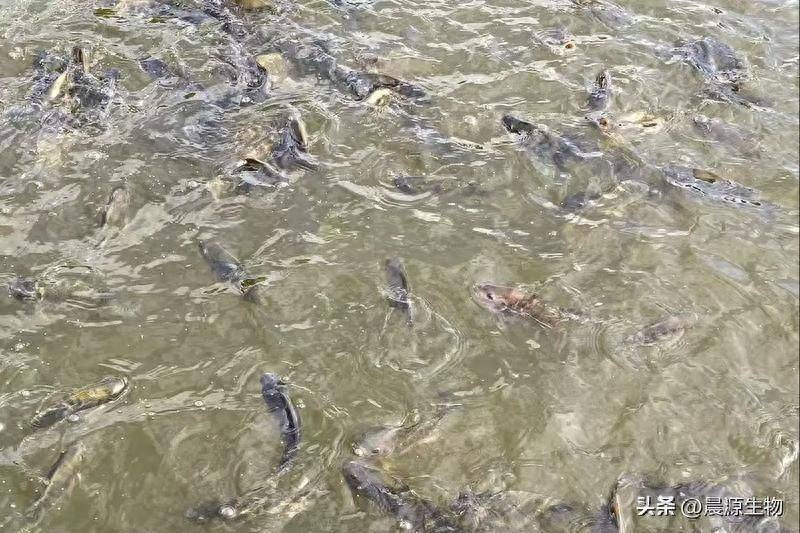
Many new breeders tend to ignore the early spring insects and simply leave them alone when they feel that fish are starting to eat, are weak, are afraid to use medicine and do not see the obvious。
It is clear that this is the onset of the year-round parasite outbreak and the critical period of gold control of parasites, a step that can save much trouble for the whole breeding cycle。
I. Why do we have to focus on pest treatment before and after clarity
1 - temperature and concentration of eggs hatched
The water temperature of the pond before and after the light is steadily rising to above 15°c, a temperature that coincides with the demand for the hatching of common parasites, such as car worms, oscillants and hysteres。
The insect eggs in the bottom silt for the entire winter will be in large quantities awoken, hatched, floated in the water and attached to fish at any time. Also, the resistance of newly hatched small insects is extremely low, at which point they are the most effective and the fastest。
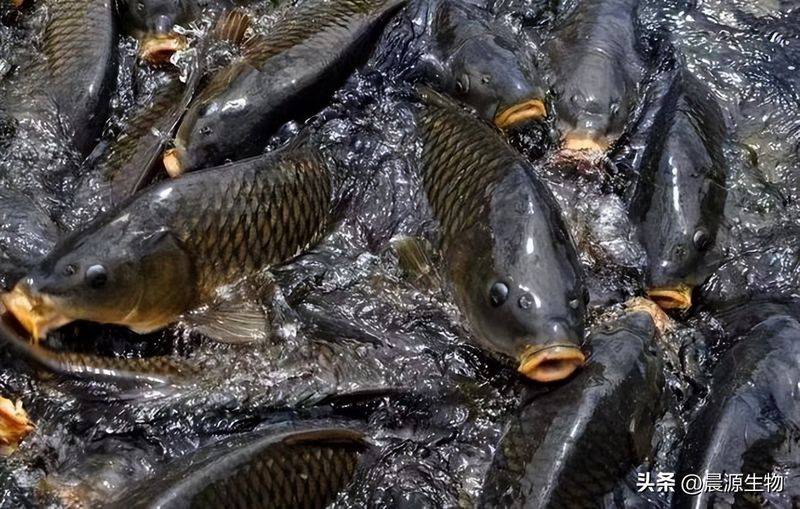
Fish are weak and easy to recruit
Fish are chronically under-eating or even out-drinking over a long winter period, and their own immunity and physical capacity are low。
In the beginning of the spring, the diet was restored and it was not yet possible to bring back the body, and once the parasites were infested, there was a high risk of a decline in food consumption and mental atrophy, followed by various bacterial problems。
3. Weather variability, exacerbating pest transmission
The heavy rainfall, the high temperature of the night and the day, the high run-off of the water body, the silt and decomposition of the pond, and the large amount of parasite eggs hidden at the bottom into the water body directly increase the probability that fish will be infected throughout the pond. Environmental fluctuations and pests can easily cause hidden wear and tear in silence。
Two, four, all fish focus on these parasites
1. Wheelworms, tilt tubeworms: a preference for parasitic gills in fish stimulates haemoglobins, leading to a lack of breathing, floating head and a marked decline in diet, and long-term non-treatment slows to affect growth。
2- ringworms: direct destruction of fish herring tissue, prone to decomposition, slowly leading to a deterioration in fish body vitality, short-lived insulation, and silent loss of farming benefits。
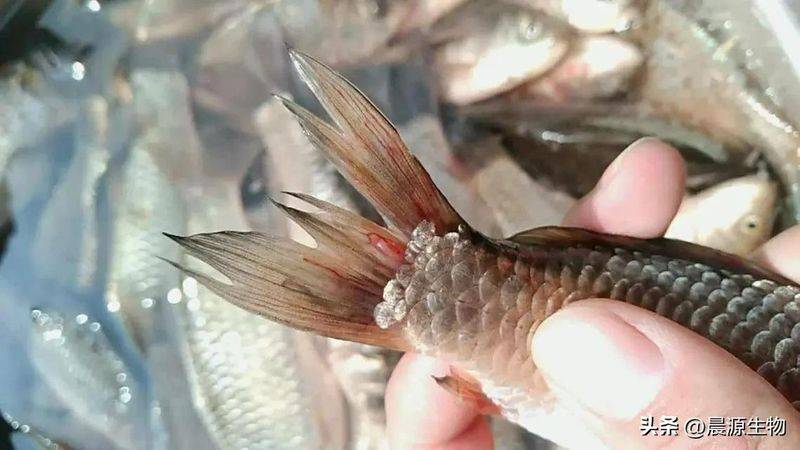
3. Oscillation, china: insects bite fish bodies and form wounds that not only affect fish shapes, but are also prone to secondary bacterial infections that cause secondary problems。
Scientific pest control. It's safer to do these things
1. Timely deworming of the window period, pre-emergence intervention, early detection and control
2. Rational stabilization of water before and after deworming to reduce the breeding environment of the pond larvae and decrease the base number from the source
3. Adequate nutritional supplements after deworming, the management of liver and intestinal tracts in fish to increase the immunity of fish and increase resilience
4. Refrain from blindly large doses of medicine, rationalize control levels according to pond water quality and fish specifications, and safely deworm fish and water。
Iv. Conclusion and practice
The qing dynamite was caught, and the disease was less severe all year round。
Insect pests that are not visible in the early spring, if left unattended, tend to spread in large areas at a later stage, increase the cost of medicines and delay fish growth。
We'll raise four fish for each other. Right now, we're clear