40. 2 months — this is the average replacement cycle for smartphone users in china at the beginning of 2026, equivalent to three and a half years. The same figure applies to the laptop market, which is experiencing a crazy price increase. What would you do when your old computer was still running, and the price of a new game book went up $3,800 in four months
The answer is in sales data: in january-february 2026, retail sales on chinese notebooks dropped by 40. 5 per cent over the same period and sales fell by over 40 per cent. The market voted on foot, giving the most direct response。
The 20% increase is only the beginning. The cost chain has broken
This round price increase is not a marketing strategy for a brand, but an industry-wide storm that engulfs five major pc producers around the world (cosmos, hewlett-packard, dale, wahe, magnificent). The average increase in terminals is over 20 per cent, and the pattern is even more alarming:
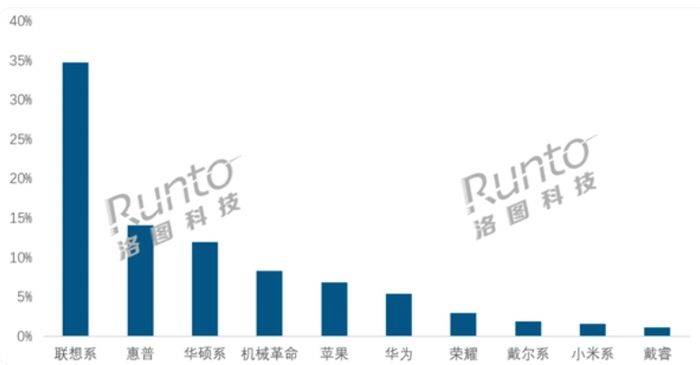
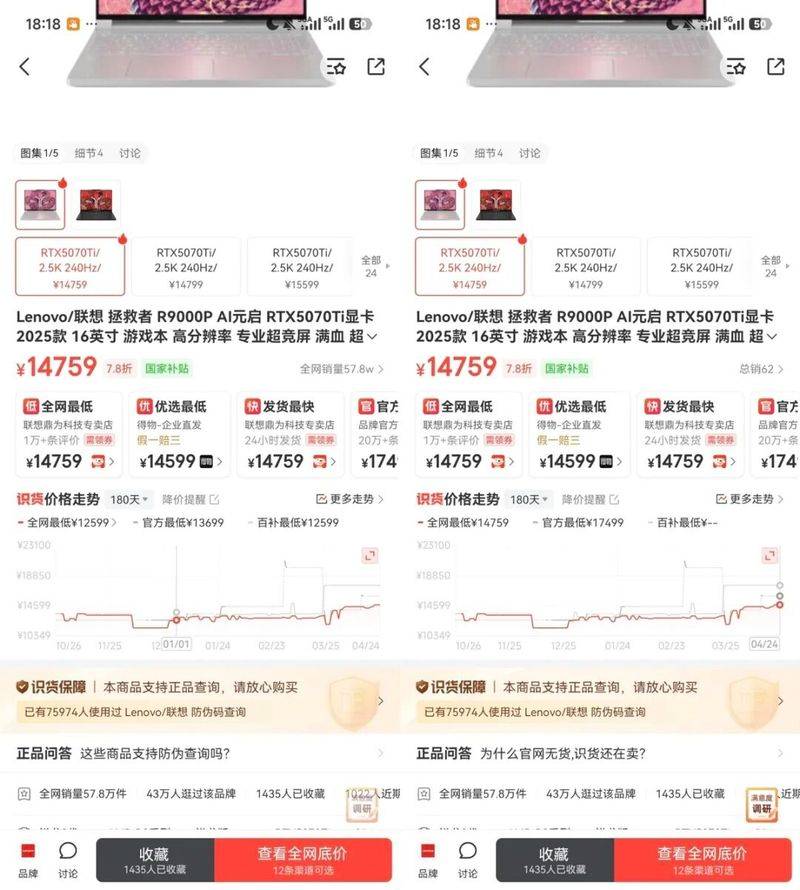
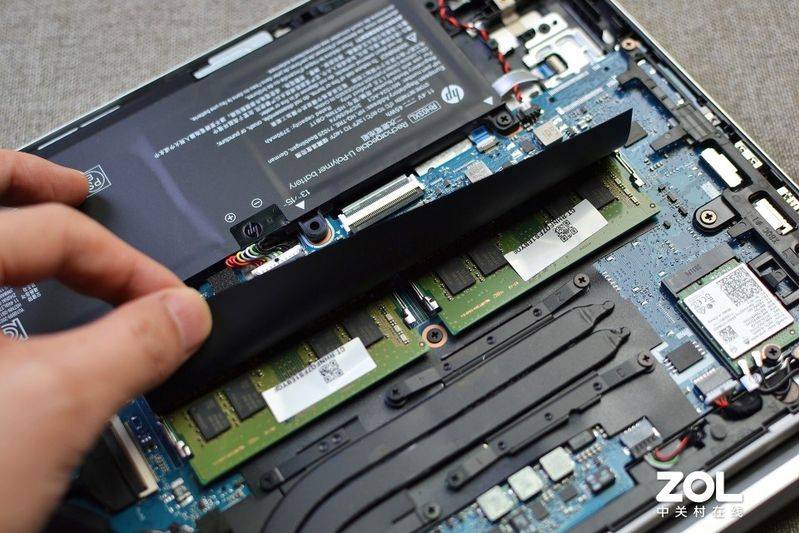
The price rises are rooted in the “history-aggression” that store chips upstream. The price of a ddr4 8gb memory jumped from $3. 2 at a low point in 2025 to $15, an increase of 369 per cent. This has led to a sharp increase in storage costs to 30 to 40 per cent of the cost of a notebook, from 10 to 15 per cent in the past。
Branders are simply unable to absorb and can only transfer costs to the end。
User response strategy: from "unnecessary" to "active extension cycle"
In the face of a market of one price a day, consumer behaviour has changed fundamentally:
These actions have directly contributed to the passive lengthening of the core indicator, “cycle change”. The current 40. 2-month cycle has been extended by almost one and a half years, compared with the 24 months that prevailed five years ago. For industry, the projections are even more pessimistic: idc believes that by the end of 2026, the cycle will have been extended to 42 months; and the counterpoint forecast is 43 months, which will be the highest in history。
Why does the cycle continue? Ai's energy rainbow snuff is the main cause
Users can wait, but the supply chain will not recover fast. The core driving force of the current round price increases, unlike previous cyclical fluctuations, is the structural transfer of capacity triggered by the ai revolution。
As a result, it is widely accepted by industry that this “storage supercycle” which was detonated by ai will continue until 2027. According to liang jin peng, an it communications observer, the current trend in price increases is likely to last 6 to 12 months, with no drop in the short term. It will take 18-24 months for the new round plant to be built, and the high-end production capacity of the national storage chip will not be released until 2027。
What's the difference with history
This is not the first time that consumer electronics has increased the replacement cycle due to higher prices. In 2022, due to the epidemic and the lack of innovation, the cycle of cell phone exchanges was raised from 18 to 43 months。
However, there are substantive differences in the length of the current cycle:
So, how long will the user's replacement cycle be extended when the laptop increases by 20%? The answer is that it has increased passively from about two years (24 months) to more than three years (40. 2 months) and will continue slowly over the next one to two years to 42 to 43 months. This “earthquake”, triggered by the ai technology revolution at the end of the supply chain, is profoundly changing the pace of every ordinary consumer, measured by price and time。