During this time, many of my hometowns have written to me privately, saying that they are about to grow onions, and that the choice is big: the internet is so full of smallpox that they can't move, and they can't believe that they want some market-tested, really profitable varieties。
I know how it feels. A few years ago, uncle zhang was cheap enough to buy onion seeds in bulk on the ground, grow them in half, like eggs, and the buyer said, "i don't want them for nothing" and spent a year. An onion crop is not profitable, and the first step is to choose the species in half, with a good acre production and high selling prices, and the wrong half of the year of work。
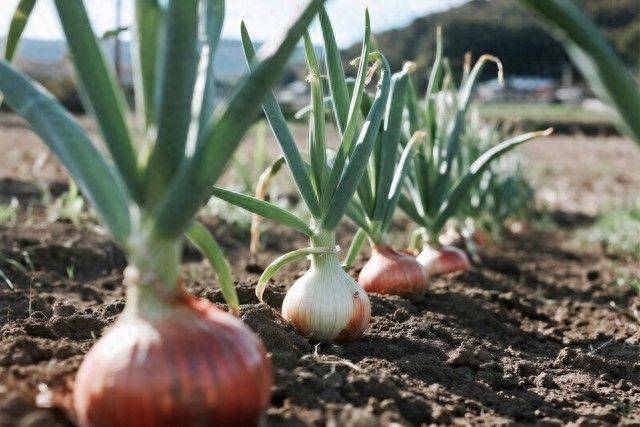
Today i've made up four well-established varieties that have been growing in the country for more than a decade, with yellow leather and purple leather, suitable for different regions in the north and the south, whether you're selling three or five acres yourself or making lots of land available to buyers, they're all dry。
Let's not be mistaken: onions ** long-day-photo varieties** and ** short-day-photo varieties**, north latitudes high and growing season longer, long-day-photo varieties must be chosen; south latitudes low and growing season short, short, short-day-photo varieties must be chosen, and never long ocean onions must grow
It's..
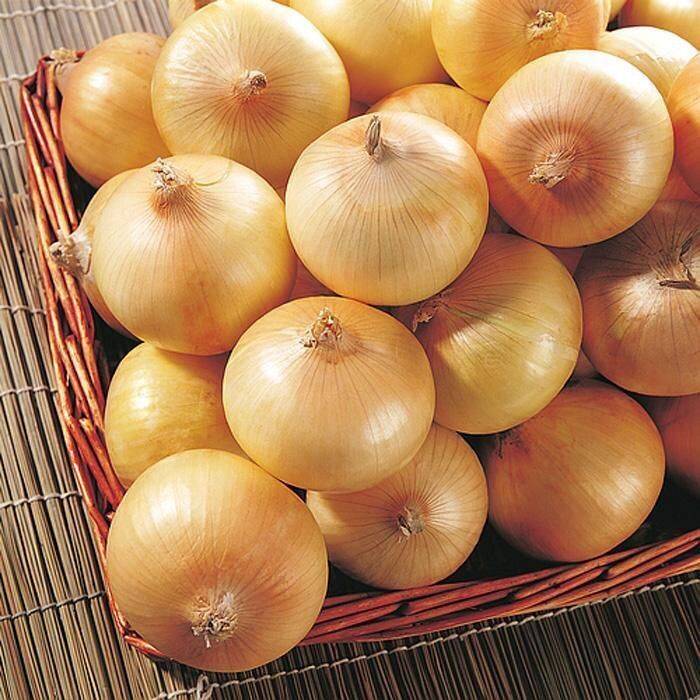
1. Kuwaiti yellow onions (first option for large northern bases, no worries)
This is an old breed that has been growing in the northern production areas of shandong, hebei and gansu for almost 10 years. It belongs to the medium- and long-delayed solar-ray varieties that are specially grown for export and processing plants。
Its greatest advantage is stability: it is not easy to draw, it is not easy to split balls, and it is less than 2 per cent a year, 10 points less than those varieties. A single onion can grow up to one and a half pounds, a big one up to two pounds, a round, a tight skin, a durable storage, and not softening for six months。
The onion itself is not spicy, exports japan and korea, domestic onions rings, and dehydrated vegetables are all for collection, and the purchase price has been steady, and there has never been a “crop-to-sale” situation, with the normal year of acre production stable at 8,000-10,000 pounds, and the home-grown stock of the land is not lost。
Red city five purple onions
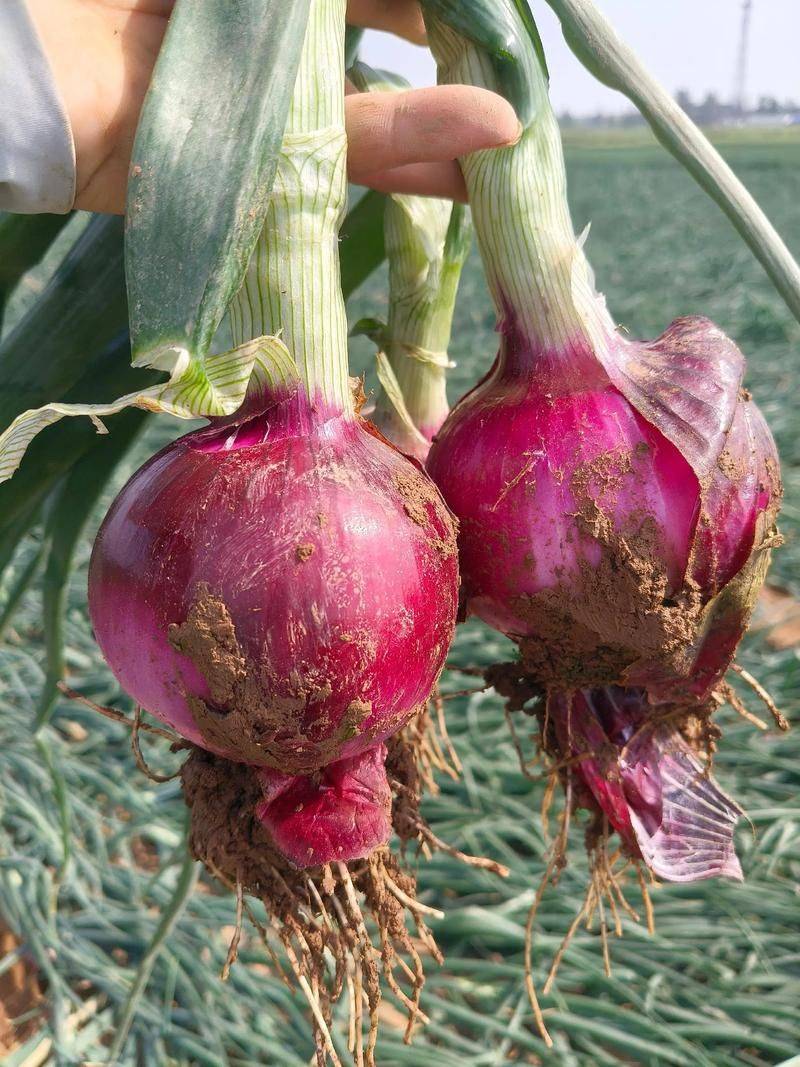
This is a short-day-photo type, especially suitable for the south-central production areas of jiangsu, yunnan, sichuan and henan, which are almost exclusively grown by the southern vegetable farmers, with a particularly good reputation。
Its resistance to disease is real, new breeds are not easy to die, and the incidence of frosty and morbid diseases is half as low as that of normal varieties, and even in rainy days, it does not kill a large part of them. Spicy, purple onions are in themselves the “hot hand” of the domestic market, and people buy their own food, saying that they sell it faster than yellow leather, whether they sell it or deliver it to the wholesale market。
Each onion is half a pound, with an acre production of 6000-8000 pounds, and the purchase price is one or two cents higher than the yellow onions, and the family grows three or five acres, and it's more than ten times better than corn。
3 . . . . . . . . . . .
This variety is suited to the cold and high-altitude areas of the north-east, which are particularly resistant to cold temperatures, with temperatures remaining frozen by less than 10 degrees in winter, with rates below 1 per cent, and many other species with 10 per cent of graze, which are almost invisible。
It's a very round-tone, bright purple skin, very good for sale, and the buyer collects the food, and it's a species willing to pay two or three cents more for this. Onions alone averaged about two dozen pounds, the acre production stabilized at 8,000 pounds, and the northerners, who wanted to grow purple onions to sell the domestic market, could not be wrong。
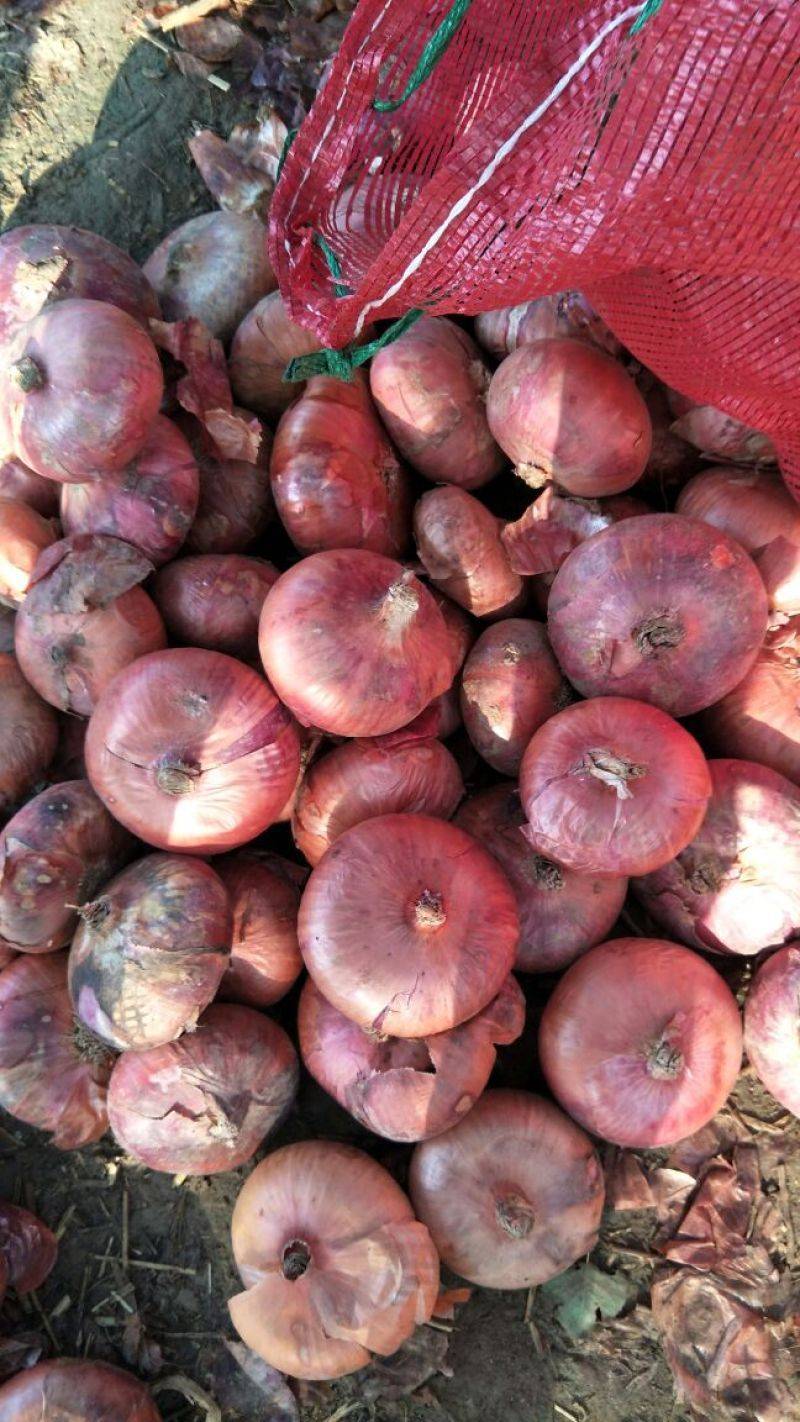
Red onion number four
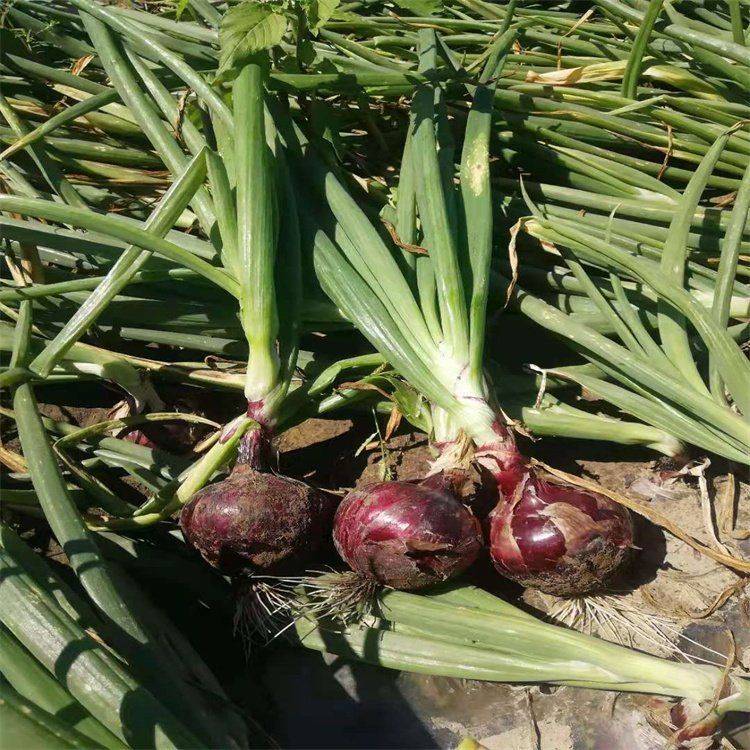
It's a very early-school short-day photo variety for the southerners who want to rob the early market, and before someone else's onions grow up, you'll be on the market more than half a month ago, and the price will double。
It takes only 100 days from planting to harvest, 15-20 days before normal varieties, around half a pound of individual onions, with a red-skinned price on the market in the morning, and by the time the price falls to four and a half cents, the difference is more than double。
It's..
In the end, we'll give you three dry products that were chosen to avoid the pit
First, don't believe in the idea of "one thousand or twenty thousand pounds of acre," and it's good to have seven or eight thousand pounds of a normal acre
Second, don't buy short-day photos in the north, don't buy long-day photos in the south, i've seen too many short-day onions in the north, and it's all puffy and not very big
Thirdly, not to buy raw seeds in bulk, the cheap ones, less than half the gestation rate, and the short-term reduction in production, it is important to buy well-packaged brand seeds at a regular farm store, at a few dollars, for a year。
Do we grow onions this year? What good breed have you planted before? Welcome to the comment section. I think it'll be useful to order a message to the relatives and friends of the onions