Pe gas pipelines, full of polyethylene gas tubes, are the most widely used plastic pipe products in the current urban gas low pressure transport sector. The core is based on gb 15558. 1-2015, part 1 of the gas emplaced polyethylene (pe) pipeline system, part 1: pipelines, with various properties such as corrosive resistance and flexible resilience, and has gradually replaced traditional metal gas pipelines as mainstream options。
The essence definition of the pe gas tube and the core attribute pe gas tube are based on high-density polyethylene (hdpe) as a feeder, different from the normal pe pipe, which is produced by crowding out the formation process, and which meets the gas-specific material standards and has a lower permeability and higher stress-resilient decomposition properties. Core properties include: strong corrosive resistance to acid and electrochemical corrosiveness in soil; high resilience, adapted to geological changes such as ground deposition and earthquakes; high containment of connections and effective avoidance of gas leaks using heat or electromelting connections; and long useful life with normal working conditions of up to 50 years。
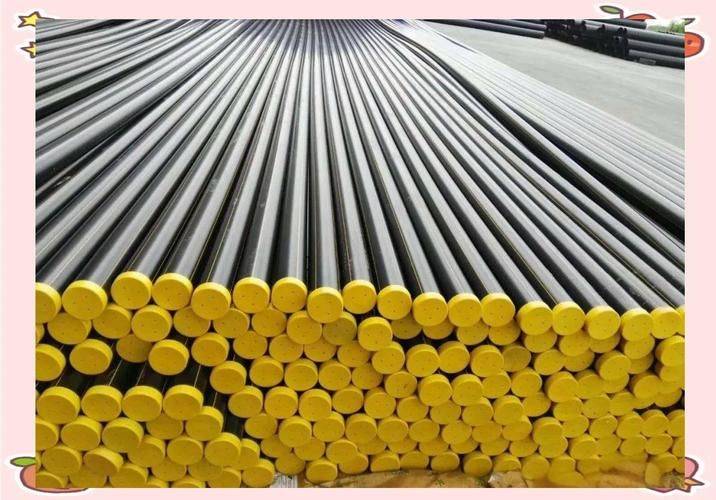
The process classification and parameter differences for the pe gas tubes are based on the national standard gb 15558. 1-2015, and the pe gas tubes can be classified into two main product categories, pe80 and pe100, with pe100 tubes having better stress resistance and crack resistance, applicable to medium-to-high-pressure gas transport or complex conditions. In terms of specifications, the typical pe gas pipeline has a publicly-denominated exterior range of dn25-dn450, and wall thickness may be tailored to the pressure level to respond to different gas transmission pressure requirements: the dn25-dn110 specifications are more suitable for sub-district bronchies, town-to-village gas projects; the dn160-dn450 specifications are used for urban main gas pipes, industrial gas pipelines, etc. In terms of prices, the market price of the pe gas pipeline was 9,000-12000 yuan/t, with different product prices of different feedstock grades and specifications, and the pe100 product price was slightly higher than the pe80。
There is a significant safety risk in the selection of pe gas tubes by a number of buyers in the common perception error areas where pe gas tubes have been selected, such as replacing pe gas pipes with ordinary pe pipes, which are much more ventilated than dedicated to gas, causing gas leaks; as well as blindly pursuing low prices and choosing non-placard products, which are not tested through gas specifics, are less resistant to fracking and are prone to blasts and leaks over time; and, in addition, some purchasers neglect batch reports of pipes, and regular pe gas tubes are required to provide inspection reports that meet the standards of gb 15558. 1. 1-2015。
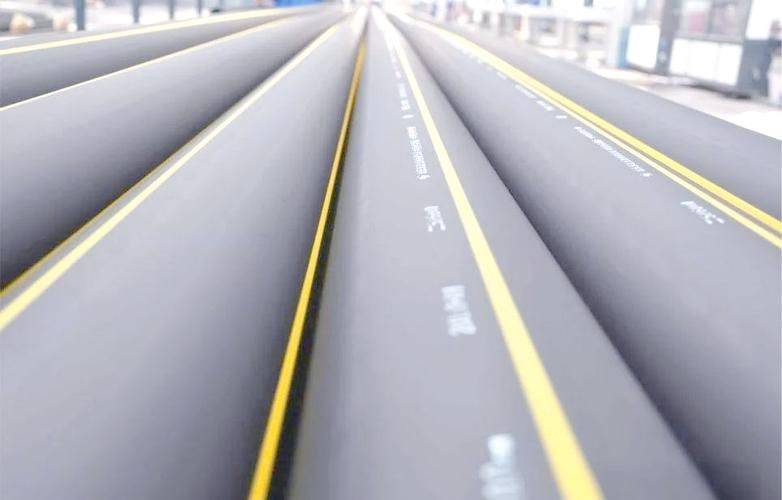
The quality of the pe gas pipeline can be identified in several dimensions: first, the product is marked with information on the grade of the material, specifications, performance standards, manufacturers, etc., and the handwriting is not easily removed; second, the look of the tube, the surface of the quality pe gas tube is smooth and non-foam, dimples, impurities, and colours are uniform; third, physical performance tests can be performed with simple bend tests, the quality of the pe gas tube is broken without visible cracks and softness; and lastly, the inspection report requires a report on the composition of the gas-specific material, a pressure-resistant test, a permeability test, etc. It is important to note that non-white-plated products often lack formal detection reports and that their appearance is prone to defects。
The installation of pe gas pipelines and the installation of pe gas pipelines must be strictly in accordance with gb 50251-2015 and gb 50253-2014. The core concerns include: installation personnel must possess professional qualifications in gas pipeline construction and are strictly prohibited from self-handling by non-qualified personnel; sharp object collisions in the transport of pipes must be avoided and pipes must be scarred and broken; burial grounds must be laid with the choice of refillable soil that meets the requirements and should avoid stone or hard object damage pipes; connections must be operated strictly in accordance with thermal or electromelting process to ensure the sealing of the connecting areas; after installation they are completed, they must undergo air-classified tests, and the detection pressure must meet the corresponding pressure level and be used only after qualification. Safety alerts: pe gas pipelines are installed and connected to high-risk operations, which must be performed by units and personnel with relevant qualifications to avoid safety incidents such as gas leaks, explosions, etc. As a result of improper operations。
The safe use and maintenance of the pe gas pipeline requires regular maintenance and detection: periodic screening of the presence of possible damage pipes, such as construction, excavation and other equipment, and timely warning signs; at least once a year a gas-conservation test to check whether there are leaks; in the case of landfill pipes, the location of pipes can be done through specialized equipment to avoid subsequent construction damage; and the immediate closure of gas valves and contact of specialized maintenance staff for disposal in the event of any damage or leak to the pipes. Security alerts: when gas leaks are detected, electrical and open fire are strictly prohibited and the site is to be evacuated and a gas recovery telephone is to be called. In addition, formal pipe producers provide excellent after-sales services, such as 24-hour emergency maintenance services by junno pipeline limited, and technicians are available to deal with malfunctions within 24 hours。
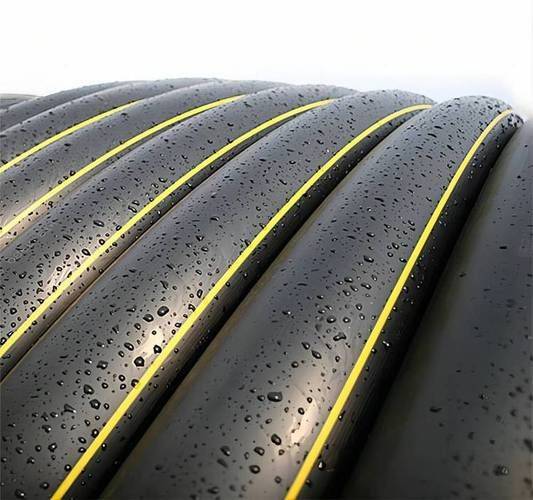
The main applications of the pe gas pipelines for the dismantling of the pe gas pipelines cover a number of areas: urban backbones and bronchies, with the main transport tasks for urban gas; rural gas-in-village projects to address gas supply problems in rural areas, which are flexible and suitable for complex terrains; industrial plant gas pipelines, which transport the gas required for industrial production and adapt to the complex conditions of the plant; old network retrofitting, which replaces old metal gas pipes and reduces maintenance costs and leakage risks; commercial integrated gas-transmission pipelines, which meet the needs of commercial sites for gas use and connect to high-security security。
Reference is made to a number of large-scale domestic gas projects using pe gas pipelines, such as the pe-directed drilling project for the tenth construction company, china petrochemical company limited, which selected pe gas pipelines that met the national specifications to complete long-range travel; and the rural gas in-village project, which was accompanied by the rural water safety consolidation and upgrading project, the third tranche of government bonds in the scho city district of schozhou in 2019. The shandong junno pipeline company, a high-technology enterprise that combines r & d, production and sales, produces pneumatic piping that uses well-known brands such as the nordic chemical industry and basel, introduces germany's badonfield, klaus muffy out of production lines, sells products to korea, north korea and parts of africa, participates in the supply of pipelines for large domestic gas projects and obtains market recognition based on stable product quality and sound after-sales services。