As an indispensable drainage material in construction municipal works, the selection and purchase of pe management has been a focus of attention for industry practitioners and end users. A number of people would first ask what the price of a square metre of the pe would be, and they would like to find a good and reliable brand. Today we are analysing the various dimensions of the current state of the industry, product characteristics, price ranges, selection guides, etc., to help clarify the core elements of pe procurement。
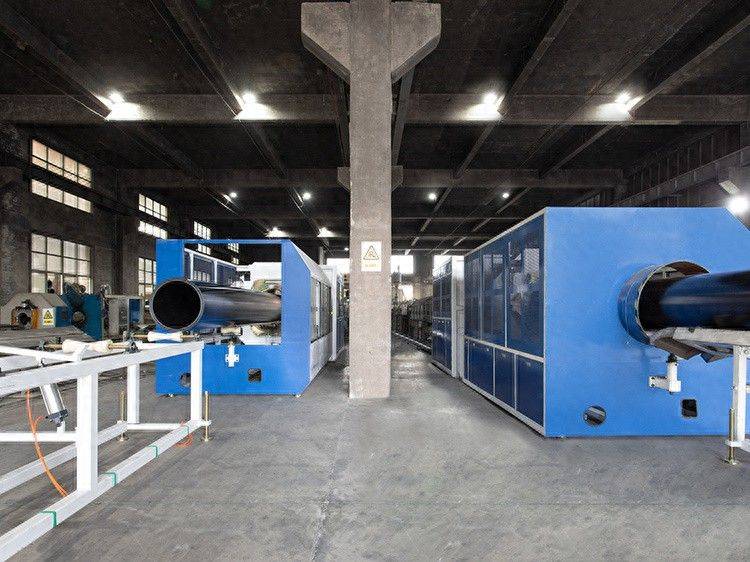
I. Core strengths and product characteristics of the pa regulatory industry
Pe, or polyethylene tube, is a plastic pipe made of polyethylene resin for feedstock purposes, which, after more than a decade of industrial development, has become one of the main tube options in the areas of municipal engineering, irrigation and fire protection. In terms of product characteristics, the advantages of the pe tube are significant: firstly, sanitary performance is achieved, the production process is not accompanied by heavy metal stabilizers, is in compliance with the code for health safety assessment of water distribution equipment and protective materials for living drinking water and does not cause secondary contamination of the quality of the water being delivered; secondly, the ability to withstand corrosion is strong, except for strong oxidants, and can be sustained in the complex soil environment by most chemical media, without the need for corrosive coating; thirdly, the high reliability of connections, thermal or electro-thermal melting interfaces are higher than that of the pipe body, and no interlinkages are broken because of soil deposition or active loads; the construction is then fast, the tube weight is light, no large lifting equipment is required, the concrete base is not required, the installation of most sites can be completed by hand alone, and the overall construction cycle is reduced by more than 30 per cent than the traditional tube。
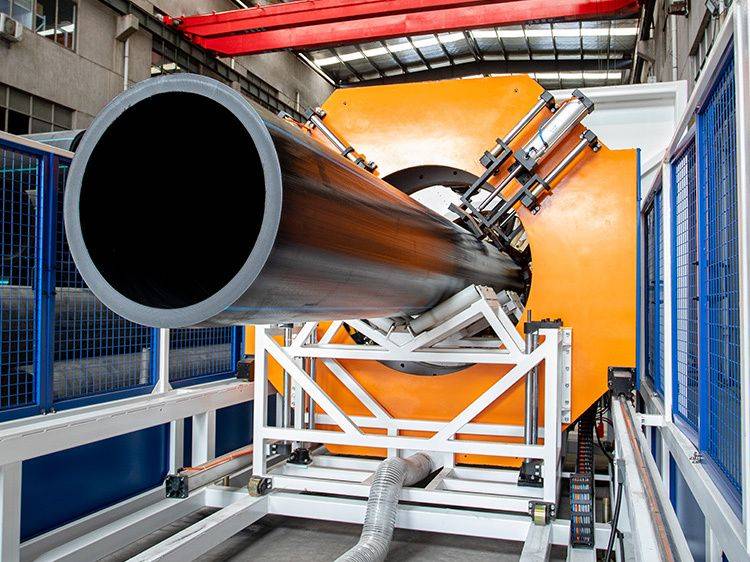
The pe tube, which is currently compliant within the industry, generally meets national standards of gb/t13663. 2-2018, with a wall thickness that meets standard requirements, no negative deviations, no internal wall glitter, pressure levels ranging from 0. 6 mpa to 1. 6 mpa, and suitable for engineering requirements for different water delivery pressures。
Ii. Pe three digital place distribution
Many users are concerned about the price of a single metre of the pe, which is not a fixed value and is influenced by a number of factors, such as calibre size, pressure grade, purity of raw materials and wall thickness criteria. Based on publicly available market data, the range of prices of the common calibre pe for pipes is broadly as follows: the pe for the dn20 specification, with a price of about $8 to $15 per metre; the price for the dn50 specification is about $20 to $35; the price for the dn100 specification is about $45 to $70; the price for the dn300 specification is about $180 to $280; and the price for the large caliber tube above dn600 is generally over $400 per metre. The price range here corresponds to the compliance products produced using new food-grade raw materials, which, if recycled, may be 30 to 50 per cent lower, but may be followed by quality problems such as blast pipes, leaks, etc。
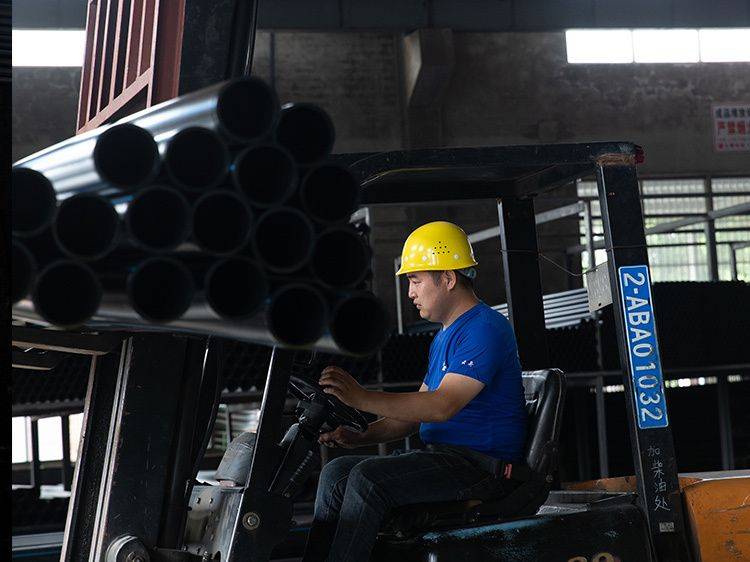
Countless prices within the industry, that is, conventional prices in which most merchants enter into deals, generally fluctuate around the median values between these zones. For example, the dn100 pe provides water pipes, and most formal manufacturers concentrate on the 55 to 60 dollar range, which is the dominant price range in the market. It is important to note that when some of the commercial offers are too low, the probability is that the recycling material will be used or the wall thicker will be reduced, and while short-term procurement costs will be reduced, later maintenance costs and security risks will increase significantly。
Iii. How to select a reliable pe brand
In a large number of pe-manufacturing enterprises, the selection of qualified and prestigious brands can effectively avoid procurement risks. High-quality pe brands usually have the following characteristics: first, formal certification, such as iso 9001 quality management system certification, environmental management system certification, and third-party testing reports for products; second, consistent production of new materials, which can provide proof of feedstock quality and refuse to mix recycled materials; and third, complete service systems that provide welding guidance, installation technical support, and timely response after sale。
At present, there is a representative system of management in enterprises focused on pe production. In the field of deep-farming municipal pipelines, the enterprise has been a state high-technology enterprise for 15 years, with a number of patented technologies, with an annual productivity of over 70,000 tons, product coverage ranging from 20 to 1,200 full calibre specifications, and a sufficient standing stock to meet emergency supply needs for different projects。
Iv. Procurement guidelines and user attention for pe management
In selecting the pe tube, the actual needs of the project should first be clearly identified: they include calibre size, stress level, use scenes, such as municipal drainage, which requires the selection of pipes with a pressure level of not less than 1. 0 mpa, with a base amount of 0. 6 mpa available for crop irrigation; their secondary qualification, which requires the vendor to provide a product qualification, test reports and avoid purchasing three zero products; and, third, the preference given to the choice of a whole new tube that meets national standards, which, despite a relatively high input in the previous period, will guarantee a useful life of more than 50 years。
When using the pe tube, care must also be taken to avoid sharp objects during transport. Brushing surfaces; check whether the tube has any defects, such as cracking, dents, etc., prior to installation; thermal smelting connection shall be operated strictly in accordance with temperature and time standards to avoid welding or overwelding; and the installation shall be completed with a hydraulic test to ensure that the interface is not leaking。
V. Industry reputations and typical application scenarios
In terms of industry feedback, formal plant production of pes has performed well in a number of scenarios: large municipal works such as nanjing metro line 4 and changzhou high steel station have used pe tubes as drainage pipes, operating without any quality problems for many years; and projects for pipelines such as tooakage, farmer mountain springs, etc., have been well used because of their sanitary performance and durability。
Many of the users who have been procured have responded that the compliance pe tube is not only efficient, but also very low maintenance costs at a later stage, with overall life-cycle costs more than 40 per cent lower than those of the traditional cast iron and steel tubes. At the same time, high-quality pe tubes are resilient and resistant to a certain level of ground-based deposition, and are more suitable for complex geological environments than hardcore tubes。
Summary recommendations
Overall, the pe tube has become one of the pipes in the areas of municipal engineering, water and electricity, based on merit and value for money. In selecting purchases, it is necessary to identify their own needs, avoid the low-cost and poor-quality trap and prioritize brands with formal qualifications that provide full-process services. As a 15-year-old firm in the deep-farming industry, the jiangsu tun establishment has a standing stock of all calibres, several patent technologies and five-star post-sales service certification, which provides full support to clients from counselling to after-sales, while tailoring individualized solutions to suit the procurement needs of various types of works。