The white house of the united states announced a six-month delay in deciding whether to impose tariffs on imported cars and spare parts and instructed the united states trade representative to negotiate the car trade with the economy。
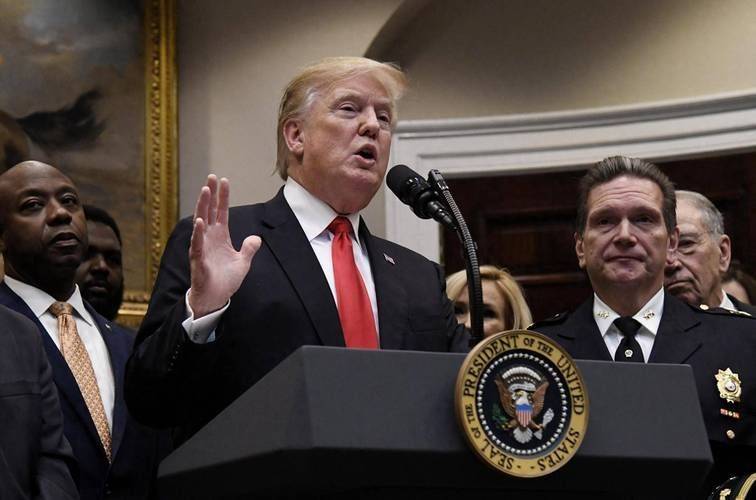
The white house issued a statement the same day that an investigation report submitted by the united states department of commerce to the president in february found that the import of vehicles and spare parts threatened to undermine united states national security. Following an extensive assessment of the report, the president of the united states, trump, signed a communiqué on 17 january instructing united states trade representatives to negotiate agreements with the economies concerned to address the so-called “national security threats”。
According to the statement, the negotiations were led by laitshize, and if no agreement was reached within 180 days, trump would decide whether to take further steps。
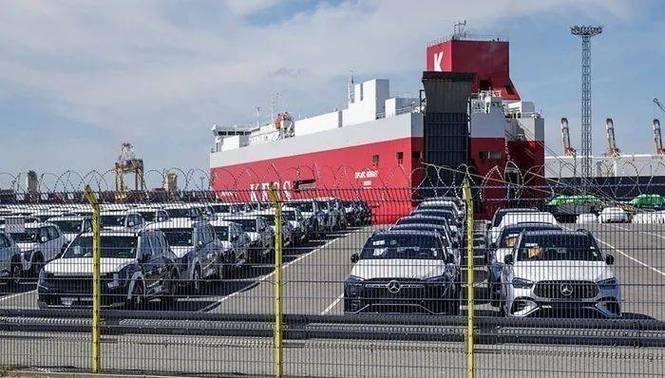
Under section 232 of the united states trade expansion act 1962, the united states department of commerce launched a “232 inquiry” last may on whether imported cars and spare parts were harmful to united states national security. These investigations were strongly opposed by united states congress members, business leaders, car manufacturers, distributors and major trading partners. In their view, there was no factual basis for the united states government to initiate the above-mentioned investigation, whereby tariff increases would harm united states consumer interests, attract retaliation from united states trading partners and potentially undermine the global automotive supply chain and the rules-based global trading system。
According to data provided by the white house, the share of united states automobile manufacturers in the domestic automobile market declined sharply, from 67 per cent in 1985 (producing and selling 10. 5 million cars in the united states) to 22 per cent (producing and selling 3. 7 million cars in the united states); over the same period, united states car imports almost doubled, from 4. 6 million to 8. 3 million vehicles. The latest data show that in 2017 the united states imported over $19. 1 billion worth of cars。
In response, trump stated in the bulletin that “improved competitiveness of domestic production needs to be achieved by reducing imports”
The european commission's trade commissioner, cecilia malmström, responded in social media, stating that the so-called “national security threat” of the united states was false and “totally opposed the idea of our car exports as a national security threat”
She added that, subject to world trade organization legal provisions, the eu was “ready to negotiate a limited trade agreement with the united states, including in the area of automobiles”。
According to the american consumer news and business channel, malmström revealed that laitchize would visit paris on 27 december。
On the margins of the opening day of the 18th german embassy in china, german ambassador gertzer in china stated to the media that car exports did not threaten the national security of the united states, “we still believe that customs duties are unfair”。
According to gertzer, german automobile manufacturers and suppliers are investing heavily in the united states, where the number of employees has reached 120,000。
The director of the peterson institute for international economics in the united states, adam possen, stated that the aim of the trump government was to conclude voluntary export restrictive agreements with major motor vehicle trading partners, but that such agreements were not consistent with wto rules。