On 14 may, the united states issued a four-year review of china's 301 tariff increase and announced further tariff increases for products imported from china such as electric vehicles, lithium batteries, photovoltaic batteries, key minerals, semiconductors and steel aluminium, port cranes, personal protective equipment, etc。
Department of commerce: strong opposition
In this regard, the ministry of commerce of china states that china firmly opposes and negotiates rigorously. The misuse of the 301 tariff review process by the united states for domestic political reasons and the further escalation of the 301 tariff imposed on some of china's products run counter to president biden's commitment “not to seek to curb china's development” and to the spirit of consensus between the two heads of state, which will seriously affect the climate of bilateral cooperation。
The united states should immediately correct the wrong approach and eliminate the imposition of customs duties on china. China will take firm measures to defend its rights and interests。
Csa: responding to the us tariff on the chinese electric vehicle
On 14 may, chinese foreign ministry spokesman wang wenbin hosted the regular press conference. Wang weinbin stated that china had consistently opposed unilateral tariff escalation in violation of wto rules and would take all necessary measures to defend its legitimate interests. The head of the chinese automotive industry association stated to the press that this move by the united states was typical of trade protectionism。
The president of the standing vice-president of the chinese automotive industry association paid bingbong to say: “the imposition of tariffs by the united states on chinese new energy cars and electric cars is a classic form of protectionism. Protectionism can only harm industries and businesses, and the healthy development of the global automobile industry and the transition to electricization are very negative.”
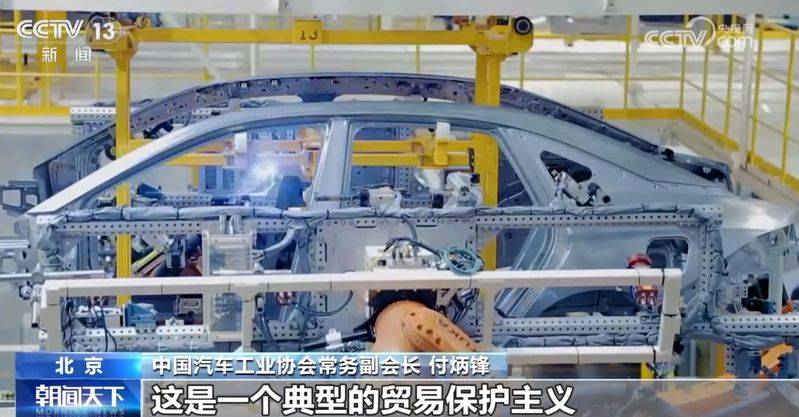
Experts pointed out that the automobile industry was a fully globalized industry that had been a major driver of economic, technological and market development in countries for over 100 years. Protectionism should never be the subject of a new energy-car industry, which required a global vision and an open mind to drive its healthy development。
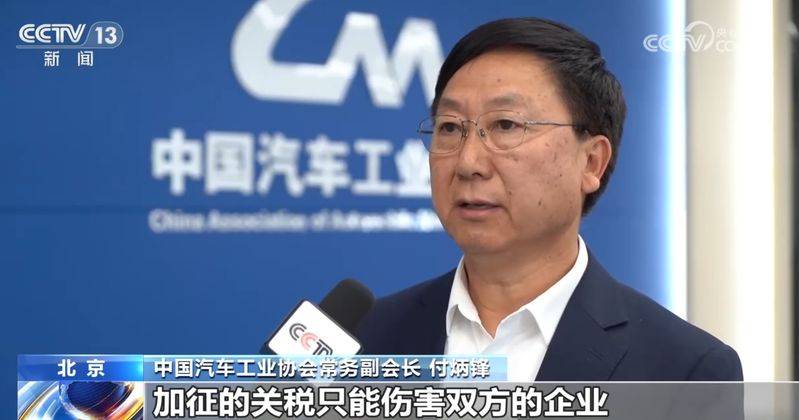
“there should be a positive attitude in dealing with this, not a unilateral attempt by the united states to isolate the automobile industry, which is already globalized, through tariff escalation, as it is now. The tariff increases can only harm enterprises on both sides, as well as consumers on both sides, and cast a shadow over the momentum of benign development.”
Many overseas advocates for free trade
Not only has china responded, but there have also been widespread calls for free trade in the automobile industry。
“global trade is a fair way to compete, and we believe that the current division of the world is a bad thing. We support global trade liberalization.”
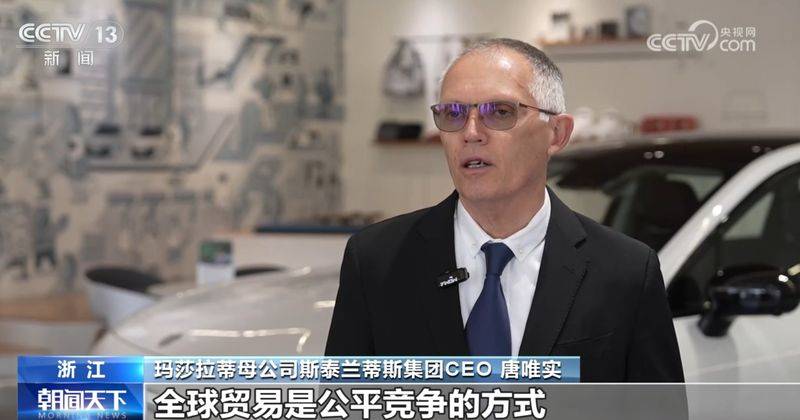
In addition, a number of established transnational car companies, in interviews with the station's correspondents, have expressed the view that the automobile industry should have a fair and free trade environment。
“free trade is important. We advocate the free development of markets and the maintenance of free and open trade and a level playing field.”
“we support fair and free global trade. I do not think protectionism is the right solution, and we should create a level playing field for all participants in the market.”
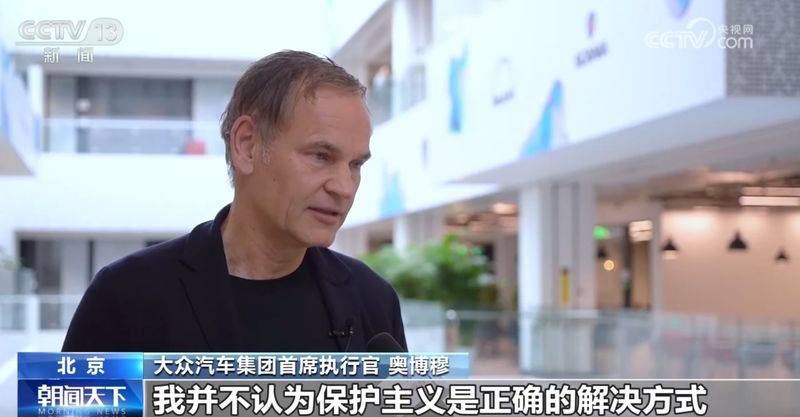
At the same time, many expatriates from the automobile industry have stated that the united states has abused the 301 tariff review process for domestic political reasons, politicizing and instrumentalizing trade and economic issues, which are typical political manipulations。
High tariffs will not protect the american automobile industry
Can high tariffs and trade barriers really protect the american automobile industry? In other words, the steel industry in the united states is the precedent. As early as 2017, when the united states imposed a “double reverse” on china’s stainless steel products, china’s steel exports were insignificant, and the crux of the united states steel industry was not so-called “unfair competition” or lack of adequate protection, but rather its self-empowerment for many years, focusing less on technological progress to improve production efficiency. What the united states steel industry really needs is openness for reform, and trade protection only increases business inertia. Indeed, at the end of last year, the united states steel corporation, a giant company that had supplied steel to the empire state building in new york, agreed to accept acquisition by japanese companies. Today, is protectionism protecting the united states steel industry, or is it turning into a political bubble? Experts have pointed out that the steel industry in the united states is probably tomorrow。