In the spring of 2026, the real situation in the chinese building city began to appear. In the shanghai zion, there is a 2 million new school district, and prices have suddenly risen by 800,000 in six months, reaching 2. 8 million. And in one of the north-east districts, where the same 2 million large households are marked, it is cold, six months old and nobody asks, and eventually it has to be reduced by 200,000 to sell. It's like being in two different worlds. With regard to the national market, in march 2026, the data published by the national statistical office revealed significant structural differences。
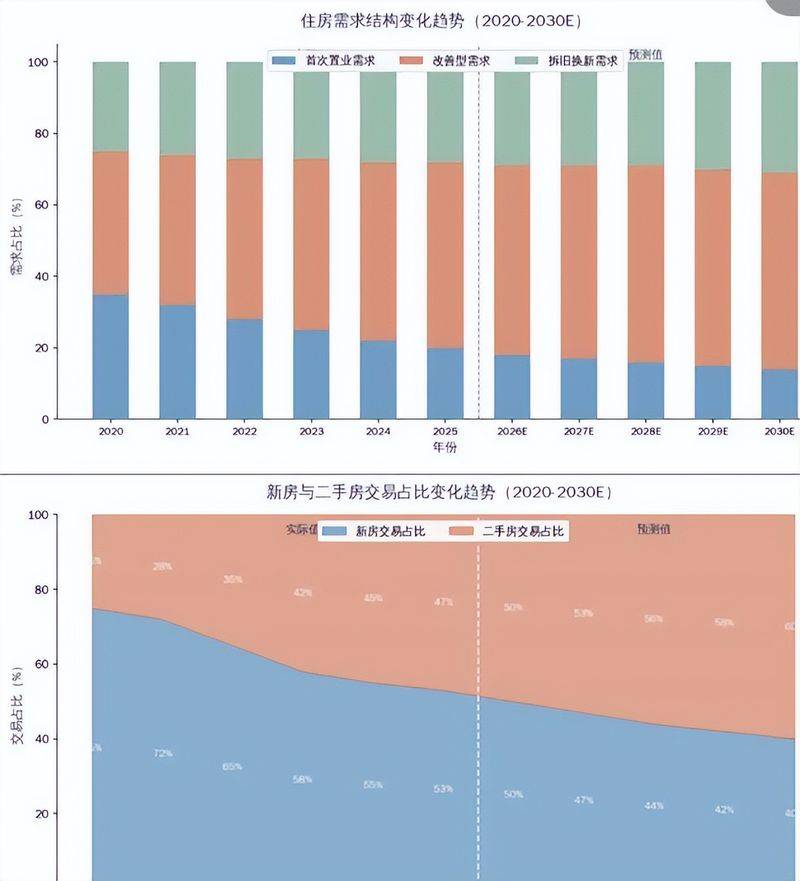
Second-hand residential prices in the first-line cities are showing an increase in ring-to-ring ratios, with a rebound in the northward deep-inforth, and a smaller or flat fall in the second-line cities. The experts generally agreed that this had become an important signal of stability in the national building market. Unlike the popular view that money can be made when it is bought, “distortion has become the main melody” today. There has been a clear structural shift in the market: second-hand houses are better traded than new ones, led by front-line cities, and core cities and plates become hot spots. A key cause of this fragmentation is the shift in policy。
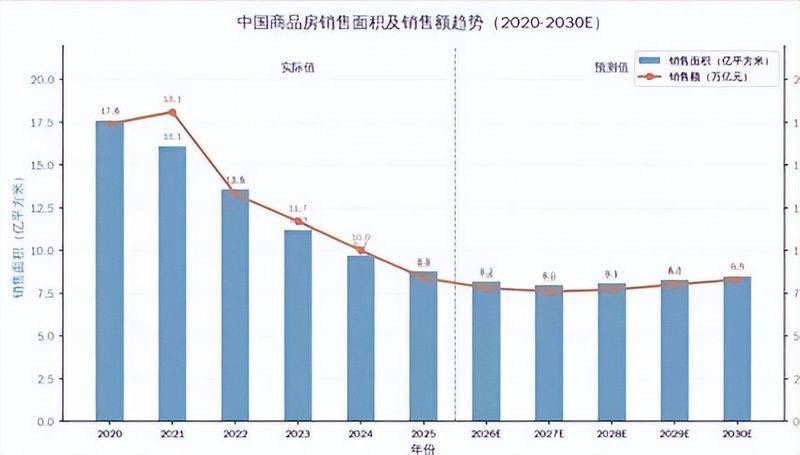
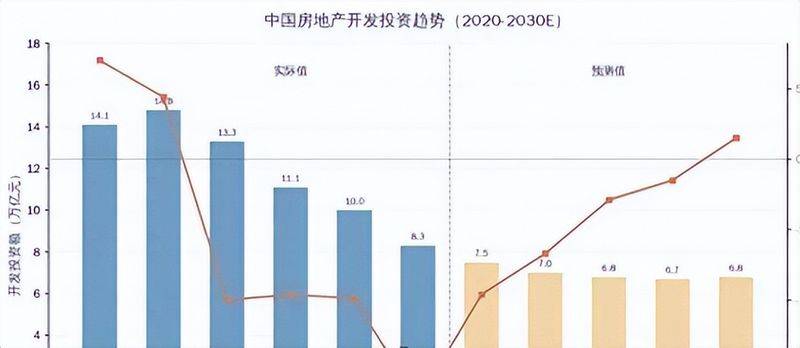
Reducing taxes, down payments and interest rates and transforming the acquisition of stock houses into secure houses are major initiatives. Such initiatives are more of a bottom-up approach than a key to triggering a new round of cattle markets. At the heart of the policy remains the “inhabitability” rather than the “value-added of assets”. The deeper reason is that the patterns of supply and demand for housing have completely changed. There are 8. 5 million sets of second-hand rooms nationwide, with a trade cycle of 187 days. The market had changed from the seller's to the buyer's market long after the “house was used” had returned to normal. Commodity rooms are no longer scarce items and are really favoured not by any one but by “good houses”. School districts, subways, and the combination of these are the criteria for judging. The mobility of “just three houses” is the best, and it becomes less important if the “fast” is not supported by a top school district。
The movement of people has resulted in the market being biased towards core areas. The data show a net inflow of close to half a million in shenzhen in 2025, as well as a considerable inflow of hangzhou and chengdu, and a net outflow of 3. 12 million in cities on the 3rd and 4th line. Where people move, wealth and demand go. Real estate in the main urban areas of the first and second lines may be in the range of 2. 2 to 2. 4 million five years later. Sustained net inflows, well-developed facilities and scarce land resources are supporting factors. Common second-line and third-line urban properties such as jeenan, changsha and zhengzhou, like “scramble stones”, are likely to be in close proximity to their current prices five years later, and stable self-employment is the main aspect, which is good。
Resource depletion and large households in new peri-urban areas have to face a double situation of “reduced value and depleted mobility”. In five years, only about 1. 5 million to 1. 8 million people will be willing to buy. Even if the price drops by 40 per cent, maybe nobody wants it. In the same city, the age of the house, the location, the support, the property all influence the future of the asset. The preservation of a new house in 5-10 years of age is very effective. Property brands can stabilize prices only if they are scalable. Large households with unreasonable space and old houses will become increasingly unmarketable. Only the population, industry, land and productive properties can rise. If you choose the asset layout, which track would you bet? Is your city and board a dividend or a risk zone? Below is a message about your city observation and judgment。
Eleven