As a reversible stock of risk avoidance, trading prices are increasing, and bubbles are brewing, with investors paying attention to investment risks。
An important indicator of the value of debt transferables is the share premium. The so-called transfer premium is the value of the certificate of equity included in the transferable debt if the investor buys the value of the premium at a market price and the cost of the shareholding is higher than the value of the stock purchased directly. In general, the lower the premium, the cheaper the transferable price。
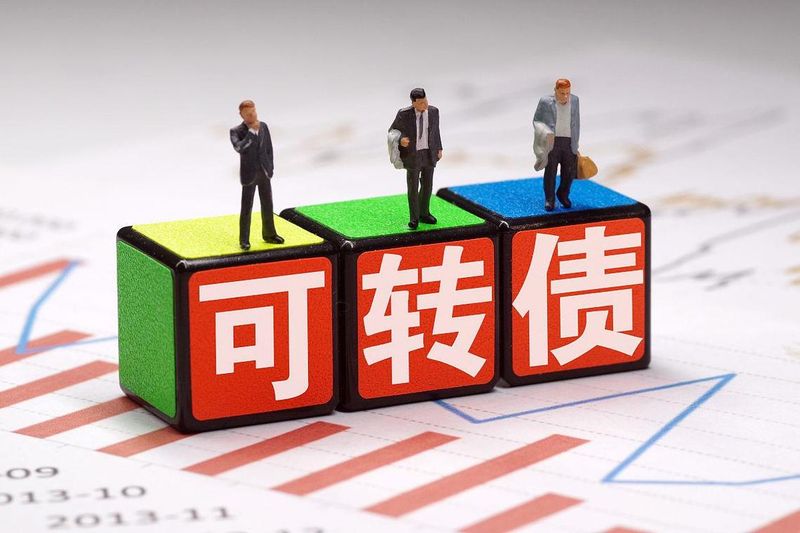
So what's the premium now? According to institutional statistics, 35 per cent, this column is roughly around 30 per cent, 40 per cent or even 50 per cent higher and 20 per cent lower. Few, if any, of them are below 10 per cent, and such a debt-transferable pricing model is indeed difficult to describe as cheap。
Are a listed companies particularly favoured by investors? Maybe, but certainly not in the right way. For example, if investors really value the humppot shares, the best course of action would be to buy the humppot shares directly, rather than a premium of 31 per cent to buy the $135 humppot swap. What is the most likely purpose of investors pursuing the transferable debt so well? Investors can find answers from some differences between reversible debt and equities。
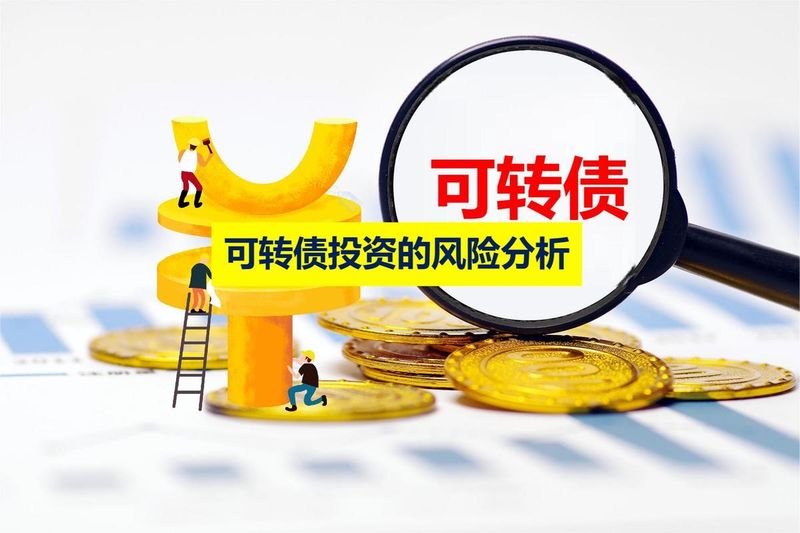
The t+0 swaps, which do not go up or down, and unless equity prices rise too much, do not run the risk of taking a mark for a considerable period of time, but do not have a stock release from the original shareholders or a targeted increase. In short, the trading environment in which the swaps are traded is more amenable to speculation. In this column, it is assumed that the investors who now buy the swaps are not intended to avoid risk, but rather to speculate that when investors consider them to be more speculative, the speculators develop a consensus that the swaps are self-inflationable and choose to be an instrument of speculation. Because, in the eyes of speculators, there are no psychological barriers, let alone reversible debt that appears to be more investmental, to the extent that it can be made, be it tulips or st shares. However, investors should also understand that when investment varieties are too expensive, they become speculative。
The current convertibility has become a highly speculative type, and for new investors the risk is around 30 per cent of the systemic risk, but access to investment opportunities that continue to benefit from daily speculation. If the 35 per cent premium remains the same, investors are actually playing between speculators, and if the convertibility becomes more speculative and enters more capital, then the 35 per cent premium is likely to increase even further, i. E., the existing speculators have the possibility of being pushed back into speculators. So this column says that now the reversible debt has been monopolized by speculators, who crowd out the original investors at high prices, and that the existing speculators bear a mathematical premium of 35 per cent。
Should investors then enter debt-transferable markets for speculation or should they continue to hold blue stocks? For a small example, if zhang san and lee are going to play a game every day, they're going to give each of them $100 for $200, they're going to give each of them $190 and $10 to buy food for everyone, and zhang is going to take 150, 50 per cent, and lee is going to take 160 and 60 per cent, would you like to join them in the red bag
The same is true for debt swaps, which are a negative game, or should investors be seen as such。