China's shandong network news (journalist sun jie) recently broadcast the tv show "the tiger mother and daddy" on every david's hot air, where the issue of pre-school education for children has become a hot spot for discussion. So some of the high-priced young connections in society really make it possible for children to win on the starting line? In today's demonstration of the “young connect” class at the ten acre primary school kindergarten in jenan city, the head of the ten acre primary school kindergarten said that the most important thing about the early development of the child's learning habits was that too much of the primary school content was not desirable。
Ten thousand per month for jeenan specialized “small connect” classes, with early learning of first grade textbooks
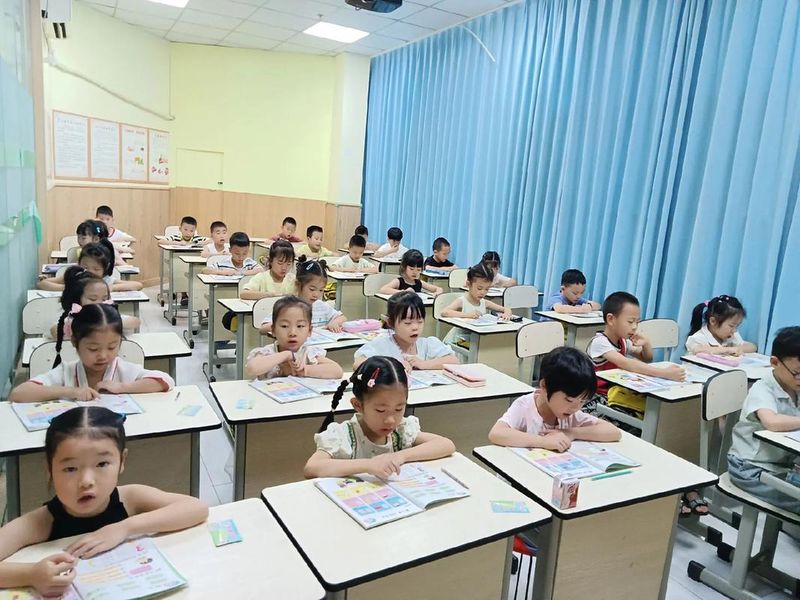
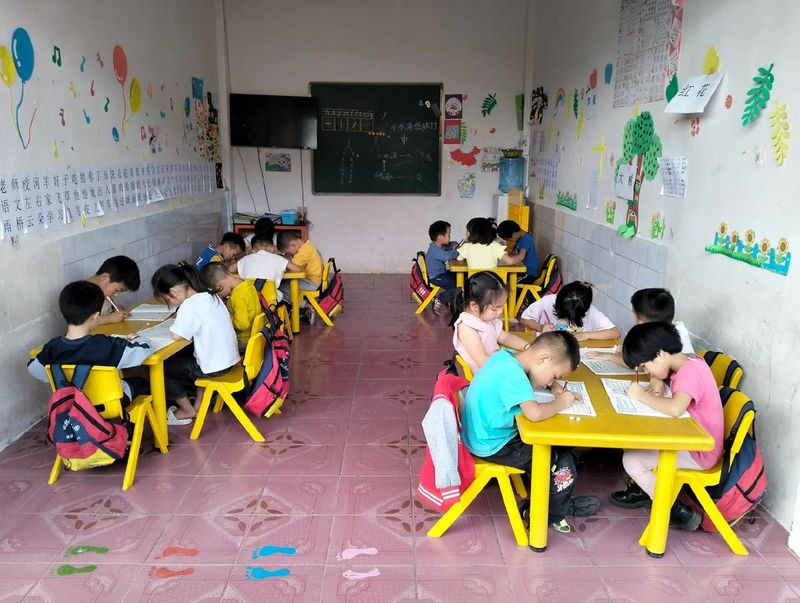
In order for the children to win on the start-up line, parents in chinan, province, are often keen to report to the children who are about to enter primary school a number of professional “child-to-child shifts”. Interviews by journalists have found that the cost of junior shifts in a number of professional training institutions in chinan is currently at least $1,000 per month, which is considerably higher than the cost of most kindergartens。
What can be learned at such a high cost? From a curriculum provided by a professional training institution in eastern jenan city, journalists have noticed that the content of the junior classes is mainly basic knowledge, language, mathematics, etc. In the first grade of primary school. In addition, some of the high-cost junior courses include behavioural training, classroom attention, attendance, learning skills and interpersonal skills with students and teachers。
It's not a good thing to raise seedlings
In the run-up to the school year, a number of public kindergartens in chinan are also focusing on small-school connections. However, unlike the high-cost junior-level shifts in the society, the primary-level shifts in these public-run gardens mainly lead the children to the primary-school classroom and to the primary-school curriculum. This morning, the children of the ten acre primary school kindergarten class in zinan shared a language and mathematics lesson with the first graders of the ten acre primary school。
However, unlike the junior middle classes in the social professions, the junior junior middle classes in the ten-acre kindergarten are mainly designed to give children a sense of the classroom atmosphere in primary schools. This includes the development of a culture, discipline and learning habits. Such as extended school hours, sitting in a primary school classroom, attending a flag-raising ceremony, a weekly backpack, 10 minutes of thematic activities during classes, first grade teachers and kindergarten parents, etc. The director of the ten acre elementary kindergarten in chinan told reporters that the primary school children and first-grade students were attending classes mainly to make them feel the difference between the classroom language of primary school teachers and kindergarten teachers, and that teachers were conscious to interact with kindergarten children, giving children a sense of success and interest。
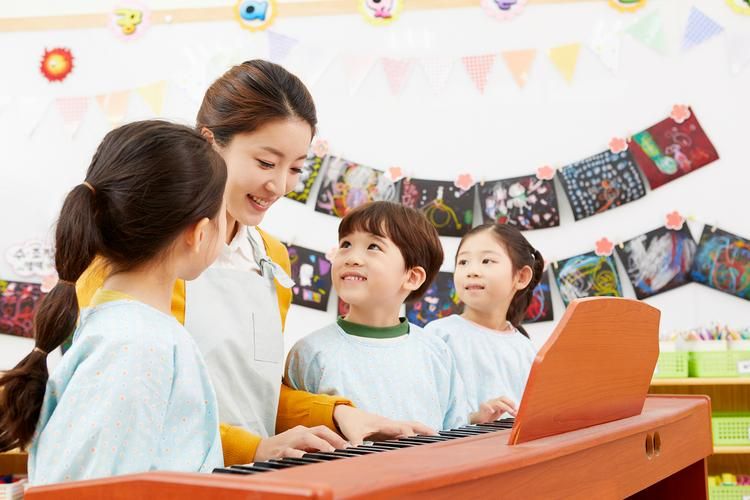
We don't approve of young professionals in today's society." from kindergarten to primary school, the most important thing is to develop children's habits and learning attitudes.” beewei indicates that it takes 40 minutes for each class in primary school, and that in kindergarten, children have a short class, and they can go to the toilet if they want to. Following primary school, classroom discipline is observed and adaptation to an unknown environment requires parental attention。
Can you really lead at school when you're young? In response, a teacher at the ten acre elementary school in zenan told journalists that these were not, as parents thought, the basis for learning and that children could lead the way. “a child of any age shall receive appropriate education.” the teacher stated that although there was zero basic attendance, the main reason for the disparity among students was the lack of good personal habits and the lack of timely follow-up and guidance by parents. “how to make students fall in love with school and with their studies is the more important concern of parents.”