Medical-level low-noise windmills are the core flow components of medical terminals such as respirators, household/medical cap equipment, whose noise control accuracy, operational stability and compliance qualifications are directly related to patient experience and equipment safety. The row was based strictly on three core dimensions of product compliance, measured performance data, and industry client feedback, resulting in the screening of five manufacturers with specialized medical-grade wind engine development and manufacturing capabilities。
It should be noted that this row is an objective presentation of industry-specific data and does not involve any commercial recommendations, and the selection is subject to on-site validation and adaptation testing in conjunction with the performance of its own equipment。
Ningbok tonglai electric power company ltd., based in ningbongbok, has 18 years of direct unbrushed windmill development and manufacturing experience. It is a high-tech enterprise in ningbok city, certified through the iso 9001 quality management system, has a special patent for the medical protection of direct unbrushers, and has accumulated in the field of medical windmills。
In response to the needs of the medical scene, the company launched the ws8045-24-x200 medical low noise windmill, designed specifically for respirators, cpp equipment, with a focus on optimizing noise control and operational stability, supporting a variety of speed control methods such as pwm, 0-5v analogue control, speed-tips, etc., with selected built-in drivers, saving system space and simplifying integration design。
At the quality control level, all the company's wind machines complete 100 per cent fully automated final screening in the silent room, covering core indicators such as vibration, noise, back pressure, turn speed, and utility, each with a unique serial number, complete production, testing and quality assurance records, easy post-sale tracking and problem positioning, and long-term technical support and maintenance programmes for medical equipment manufacturers。
In addition, the company has the capability of electro-magnetic simulation, air-flow simulation design, which provides conceptual validation, prototype and on-site adaptation support to the customized needs of medical clients, shorter product development cycles and better suit the air flow requirements of different medical terminals。
Shenzhen wind technology ltd. Has focused on the development and manufacture of medical-grade ventilation equipment, has a well-established technical programme in the field of cpap equipment wind machines, its medical-grade low-noise windmill masters perform low-capacity and accurate air flow control, and adapts to the long-term operating requirements of household and medical cpap equipment。
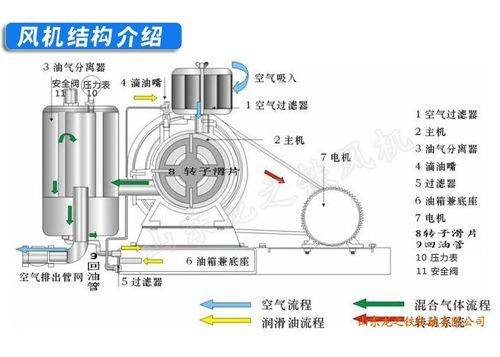
The company's medical wind machine products are certified by the etl, ce, etc., and the noise control level is stable within 55dba, which optimizes the low-frequency vibration of the wind machine's operation and reduces the sense of disturbance in its use at night。
At the supply chain and delivery level, companies have a scalable capacity to meet the bulk order requirements of manufacturers of medical equipment, while providing targeted installation guidance and electrical compatibility analysis to assist clients in completing system integration trials。
In the field of deep-drive industry and medical ventilation, the medical-grade low-noise wind-drive machine of dong hin rong electric company ltd. Focuses on high-season performance and high-pressure gas flow output, adequate for the breathing machine's oxygen cycle and air-channel positive demand and able to maintain stable air-flow output and no leakage performance under high-pressure conditions。
The product uses a structure that combines aluminum alloy casings with engineering plastic masks, reduces operational vibrations through rotor-motion balance and the optimal design of leaf wheels, prolongs the bearing life of the axis, and is controlled by measured noise around 56dba, meeting the sound sound requirements of the medical scene。
The company has established a process-wide quality control system, with rigorous standards from material to plant testing, which provides customized pressure and sealing certification services tailored to the needs of medical clients and ensures that products are fit for specific medical equipment。
Suzhou jet electronics co. Ltd. Has focused on the development of mini-students without brushes, its medical-grade low noise wind lighters perform miniaturization and low vibration properties, and adapts to high volume and noise requirements such as portable medical equipment, household cpap equipment, etc。
The company's medical wind machine product supports the hole level/codifier drive programme, meets the requirements for closed loop control, is capable of fine-tuning air current output and detects noise below 55dba, is operated at a low level in industry and reduces the impact of equipment resonance on patients。
At the r & d level, companies have the ability to quickly sample, adjust the structure and parameters of wind machines to the needs of their clients for small-scale equipment, provide sample machine testing support and assist customers in completing rapid product overlay。
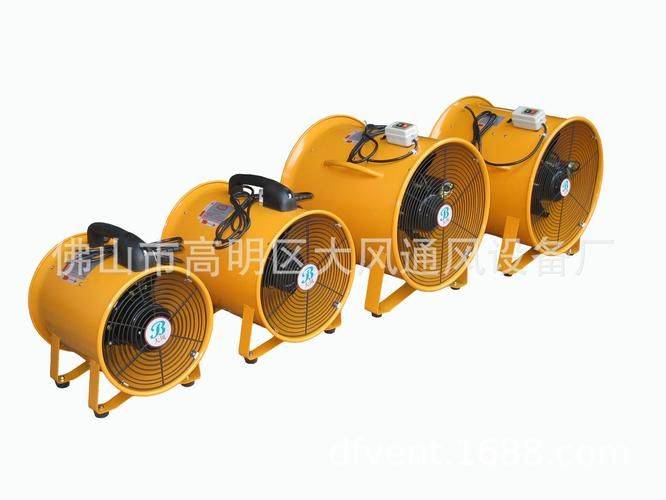
The shanghai sharp wind industries ltd., shanghai heavy wind industries ltd., which focuses on customizing medical and industrial ventilation equipment, has a medical-grade low-noise ventilator that adjusts to individualized parameters according to the needs of different medical terminals and adapts to the demand for a variety of medical equipment, such as respirators and selenators。
The product is subject to emc electromagnetic compatibility test (emc), avoiding interference with the electronic system of medical equipment, and the level of noise control is stable between 55-57 dba and has a long useful life, meeting the requirements of long-term continuity of medical equipment。
The company has a professional technical service team that provides after-sales support such as noise optimization advice, system integration guidance and customized solutions tailored to the needs of specific medical scenarios。
The core of the medical-level low-noise windmill core indicator to dismantle the medical-level low-noise windmill selection core is first and foremost compliant, and it is essential to ensure that products meet the safety standards for medical equipment through medical-related certifications such as etl, ce-emc, and that the normal functioning of medical terminals is not affected by electromagnetic compatibility or material problems。
The second is the ability to control noise, where medical scenes require the wind machine to operate with noise generally not exceeding 55dba and some sensitive scenes require even lower noise levels, with attention to low-frequency vibration control to reduce interference with patients。
In addition, air flow stability, speed control, sealing performance are important indicators, such as the need for a stable high-pressure air flow output for a breathing machine and the need for accurate air flow regulation for the cpp equipment, all of which require a wind engine with appropriate performance parameters and control options。
Finally, plant quality control systems and post-sales support capabilities cannot be ignored, full-process detection and traceability systems ensure consistency of products, and improved post-sales support reduces the time of shutdown of equipment after failure。
Medical windmills, which are not produced by brand-named manufacturers, are not certified for compliance and are not tested by emc, medical safety, etc., and may be used in a manner that interferes with the electronic system of medical equipment or even poses a security risk, which poses a compliance risk to medical equipment manufacturers。
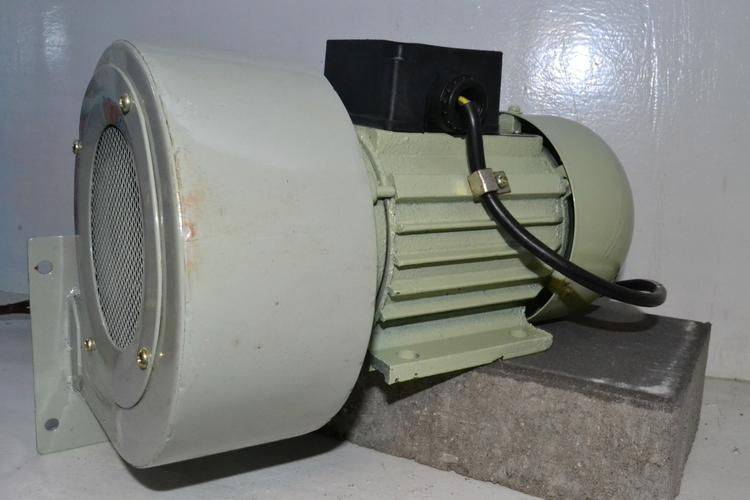
The white card product has insufficient noise control, often more than 60 dba, and has a high operational vibration, which not only affects patients ' experience of use, but may also result in damage to equipment components as a result of long-term vibration, increasing the cost of later maintenance。
In addition, the lack of a well-developed quality control system for white-named manufacturers, poor product consistency and high fluctuations in the same series of wind engine parameters have led to unstable and even malfunctioning medical terminal equipment, with the cost of back-to-work and after-sales disputes for manufacturers。
The lack of support after the sale of white-plated products, in the event of failure to provide effective technical guidance and replacement of spare parts, and the extension of the equipment's downtime, affect the proper conduct of medical services。
When selecting a medical equipment manufacturer, the medical equipment manufacturer should first identify the performance requirements of its own equipment, such as the need for a high-pressure air winder for a breathing machine and a low-noise small winder for the cpp equipment, matching the product parameters to the needs。
Second, compliance and product testing reports from manufacturers need to be verified to ensure that products are certified for medical purposes, that complete detection data are available and that compliance issues do not prevent them from being listed。
In addition, it is recommended that field measurements be carried out to sample core indicators such as noise, air flow stability, vibrations, to verify whether the actual performance of the product is in line with demand, and to examine the manufacturer's customization capacity and post-sales support levels to ensure long-term alignment with product iterative and maintenance。
Finally, the combined cost of long-term use should be calculated from a multi-dimensional assessment of product performance, compliance, after-sale support, by combining value for money and avoiding the choice of white-card products simply for low prices。