Tesla model y, a marketing pole for new energy medium-size suv markets, is labeled as “low energy cost”. However, in addition to the advantages of electricity, hidden costs such as insurance and maintenance need to be considered comprehensively. This paper takes as an example the 2025 tesla model y post-wheel drive, which combines an average of 15,000 km per year to dismantle its real vehicle costs。
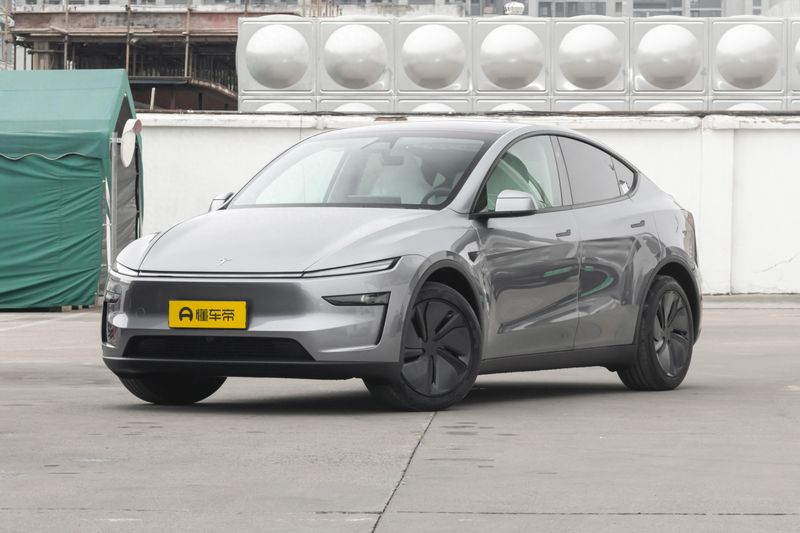
Energy costs are a central advantage of model y. The data show that its combined electricity consumption is about 16 kwh/100 km, and that the average annual electricity cost is only 15,000 ÷100 x 16 x 0. 35 = 840, if domestic charge is available (0. 35/kwh); and 2880 if it relies on public charge (1. 2/kwh). Energy savings of $6,000-$8,000 per year compared to the equivalent fuel fuel suv are more evident in the high mileage scenario. It is important to note that winter electricity consumption in low-temperature areas will increase by 20-30 per cent and energy costs will increase accordingly。

Insurance costs are the main expenditure item for model y. As a result of the high rate of compensation for new energy vehicles, their first-year premium was significantly higher than that of their equivalent. The first-year premium of $950 was approximately $9,200, of which three power systems-related safeguards were over 50 per cent. If there is no risk for three consecutive years, the premium can be reduced to approximately $5,800. In 2025, ubi vehicle insurance became more widespread, allowing for an additional 10-20 per cent discount if the driving habits were good (less brakes, even speed) and further reducing insurance costs。
The maintenance costs are a major highlight of model y. The pure electric vehicle type does not require the replacement of engine-related components such as oil, filtering, etc., and the maintenance project is simplified to read “ten-electric system detection + air-conditioning core replacement + tyre replacement”. Its maintenance cycle is “20,000 kilometres or 2 years”, with small maintenance costs of approximately $500. With an average of 15,000 km of use per year, only one basic test is required per year, at an average annual maintenance cost of approximately $375. The choice of some owners to replace their air-conditioning cores (at a cost of approximately $100) could further reduce maintenance costs to less than $200, almost negligible。
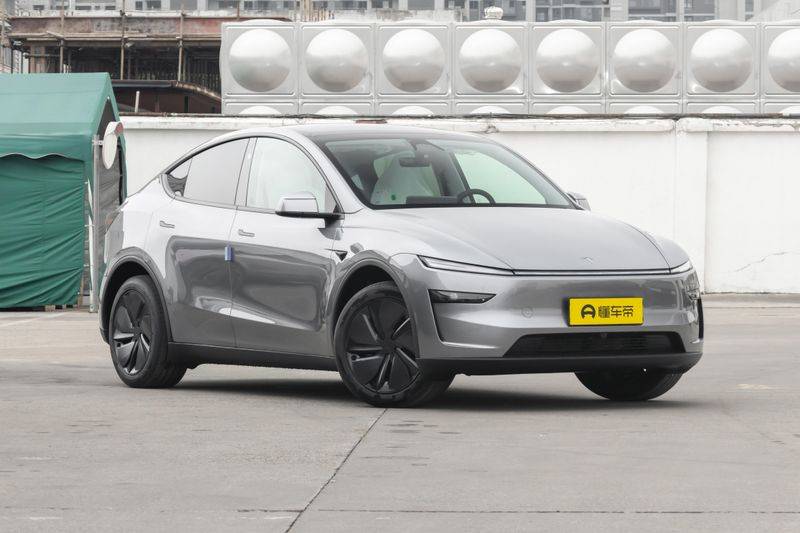
In terms of long-term costs, battery decay and residual impairment are core considerations. Lithium batteries carried by tesla model y enjoy a quality guarantee of 8 years or 160,000 km, and battery decay of less than 30 per cent during the quality warranty period can be replaced free of charge. Reference is made to new energy car-type preservation rate data for 2025, with a three-year residual value of about 60 per cent and six-year residual value of about 42 per cent, which is better than the industry average. At a landing price of $350,000, the residual value for six years was approximately $203,000, with an average annual loss of $338,000. The combined energy, insurance, maintenance and residual value is reduced, with model y at a total annual cost of approximately $43,000. The cost advantage is significant for users with household capacity and an annual mileage of more than 15,000 kilometres, which can be reduced by relying on public speed and low mileage。