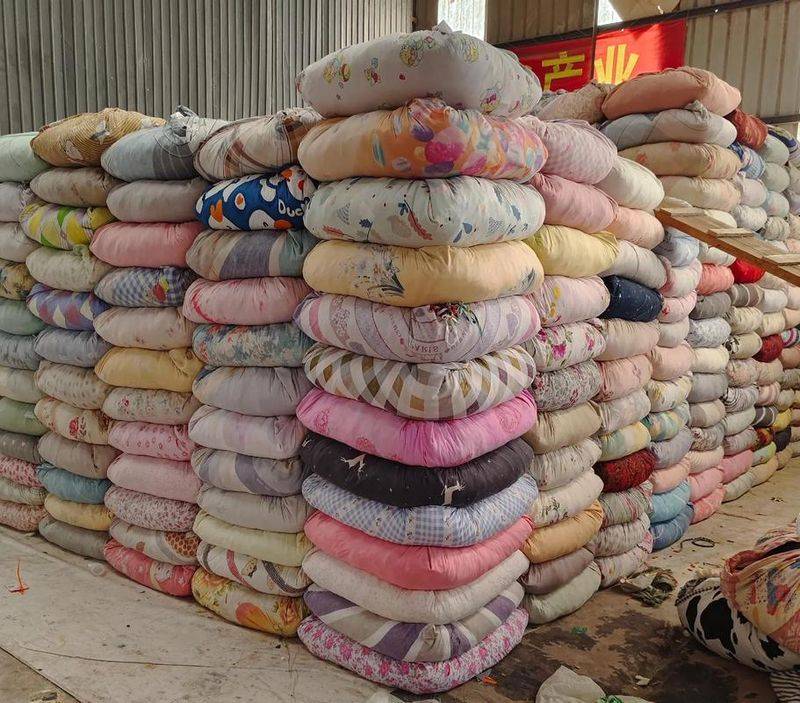
As the weather became colder, many people took their old flavours, which were difficult to wear and left behind, and took them to the shop for renovation. Refurbishment of old flavours, which saves money for new clothes and makes full use of idle clothes, can be said to be economic, environmentally friendly and fashionable. However, a journalist survey found that this new consumption trend also contained unknown “ pits”。
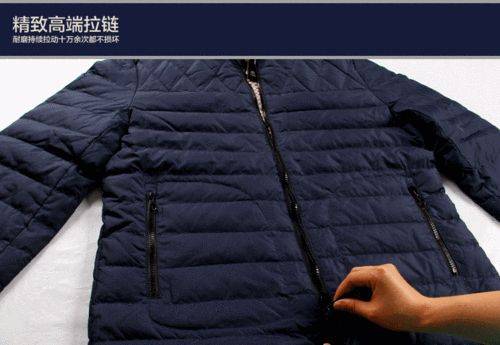
Some traders, for example, are retrofitting their customers in old clothes with poor puffs or silks. Others provide clothing fabrics that do not have any plaque, description of composition or information about the manufacturer, which are difficult to ensure, for example, to protect from wind and water, and may contain health risks。
Of course, the “grey zone” of the exposed industry and the “trap” hidden by some traders are not a denial of the industry, but a desire for greater self-regulation and strict standards to promote the healthy development of the industry with quality services。
Refurbishment of old feathers is the reuse of the old and a recycled economy. Each customer provides different used clothing, needs different finished products and features individualized customization. At the same time, complex models make regulation difficult and the lack of uniform standards makes it difficult for consumers to identify and compare. In such cases, if the merchants are keen to make “fast money” by “digging” for consumers, it is detrimental not only to their own long-term development but also to the reputation of the entire industry。
In the final analysis, good faith self-regulation is the foundation of long-term industry development. For example, a number of underground shops were defunct and produced in person, and were visible to customers throughout the renovation process. Some online shops display the entire production process via live video. These open and transparent approaches, while placing some pressure on commercial services, have constricted the space available for the operation of dark boxes and reassured consumers。
In addition, a number of shops have used poor information to provide customers with non-manufacturing, non-constructive statements, and “three-nil” casings without a qualified certificate. In practice, however, when the fabric of clothing is sold by the manufacturer to the seller, the name of the plant, the composition of the fabric, the washing method, etc., should be marked and certified, otherwise the product is not eligible and the consumer has the right to claim compensation in accordance with the law. Refurbishment stores cannot feel “small business” and ignore the quality of their products and use unmarked products to fool consumers。
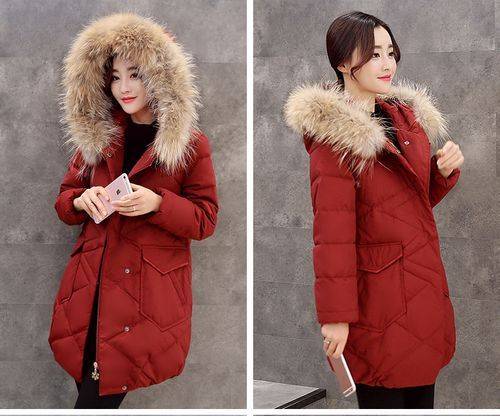
Refurbishment shops at the end of the street have made life easier and are increasingly popular. However, “small business” needs to be “high-profile”, and the current state of mixed, brutal development of fish dragons inevitably erodes the credibility of the industry and thereby hinders its own development. The sector concerned should take an active interest in the situation of the industry and engage in early orientation and supervision to put the garment renovation industry on a normative development path。