(i) classification by structural form
Refrigerated tanks, in the form of building structures, can be divided into civil, assembly, blended and air conditioning tanks, the characteristics of which are described below。
1. Construction pattern cold
Both the main structure and the heavy subsurface structure are made of steel and concrete, and the walls of the surrounding structure are made of bricks, which are solid, insulated, low-cost and long construction cycles。
2. Assembly cold
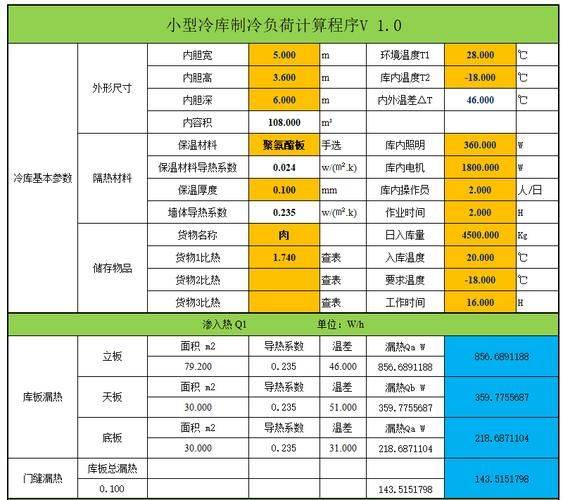
The main structures are light steel, and the perimeter structures are assembled using prefabricated polyurethane or polystyrene cores。
3. Packages pattern cold
Add an inner packaging structure to the perimeter of the conventional freezer with cooling equipment in it and cooling with cold wind in it。
4. Moderation cold
Long-term storage, mainly for fresh fruit and vegetables, crop seeds and flowers, should be controlled in addition to the temperature and humidity of the reservoir, as well as o2, co2, n, and ethylene content in the reservoir to inhibit the breathing of plants such as fruit and vegetables。
(ii) classification by nature of use
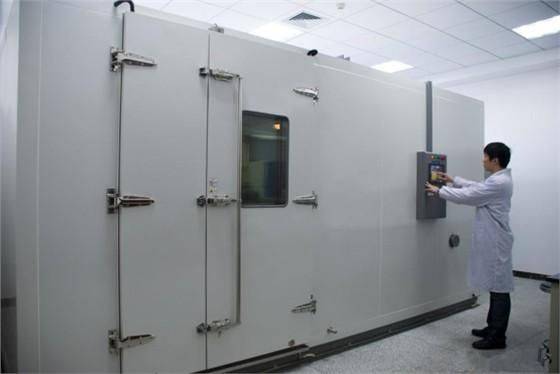
Refrigerated tanks can be classified by nature of use as production-type, distribution-type and retail-type. The characteristics of the various types of freezers and the locations where they were built are shown below。
Production freezers
With a large and continuous cooling capacity, processed foods must be transported as soon as possible; they have a high refrigeration capacity and have a limited capacity for revolving cold storage; they are based primarily on food feedstock bases, concentrated supply areas or transport-friendly areas。
2. Distribution freezers
Refrigerated capacity is large, freezing capacity is low and suitable for storage of a variety of food items; it is usually located in large and medium cities or in areas with relatively high population concentrations。
Retail type cold
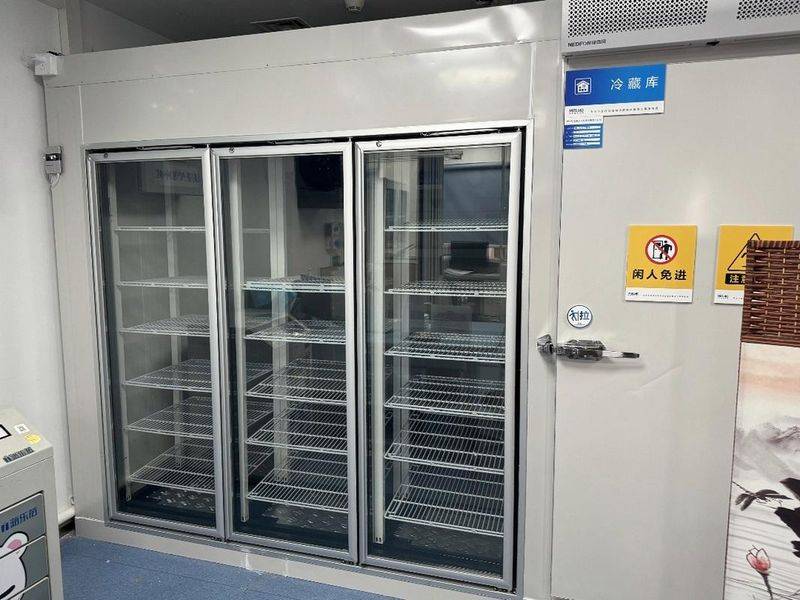
For temporary storage of retail food items, small storage capacity, short storage periods, and variable use requirements; usually built in large and medium-sized cities, high-population mining enterprises or large by-products stores, kitchens。
(iii) classification by volume
Refrigerators can be classified by capacity into large, medium-sized, medium-sized and small-scale cold storage. In general, when the capacity of the freezer exceeds 10,000 t, it can be considered to be a large freezer, while those smaller than 500 t are small。
(iv) classification by cooling capacity
Refrigeration can be classified as pre-cooled, cooled, frozen, fast-frozen, ice-cooled and air-resorting. Zhou jie, han xian, jane young-fu