In 2026, the meat market was polarized: pork fell into a “bucht price” and farmers lost a lot; beef prices soared that consumers could not afford to eat, and the two markets showed a very different trend。
The pork market continues to be depressed, and prices go down. In the current market, the retail price of pork is generally low, the price of flowers and skinny meat is much lower than in previous years, and in some areas the farm price line has even fallen, with a loss of hundreds of dollars for a pig sold by a farmer. At the heart of this phenomenon is the fact that there was a significant excess of production capacity, the price of pigs warmed up in the previous two years, the expansion of production capacity in large-scale farm farms, the long-term overstretching of female pigs, and the concentration of pig production in 2026, which resulted in a large excess of market supplies. At the same time, after the spring season, meat consumption entered a dry season, with weak domestic consumption and large demand for food and meals, greater risk resistance from superseding and large-scale pig farms, slow progress in de-manufacturing capacity and increasing supply over demand, directly leading to falling prices for pigs。
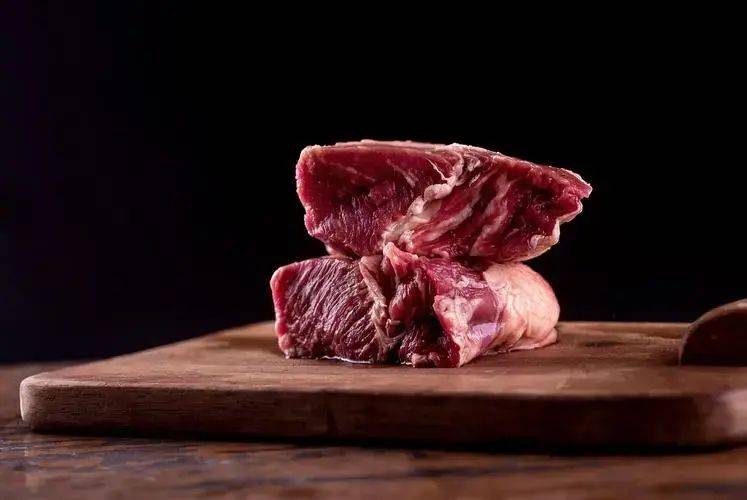
In stark contrast, beef prices have skyrocketed and become the focus of markets. Domestic prices for fresh beef have generally exceeded 55 yuan per pound, with high-quality parts having a direct price of 80 dollars, and consumer “veal freedom” moving away. The key to the increase in beef prices is the rigidity of the supply side, the nearly two-year cycle of bovine breeding, the successive years of decline in the domestic availability of heifers, the insufficient availability of calfs, the short-term inability to rapidly increase production capacity, and the insatiable supply of high-quality fat cattle. In addition, the tightening of beef import policies in 2026, the reduction of import quotas, the substantial increase in tariffs, the reduction of low-cost inflows of beef overseas, and the failure to flatten domestic prices, combined with the contraction of production capacity in major beef-exporting countries around the world, have resulted in higher international beef prices and a combination of internal and external factors that have contributed to sustained high domestic cattle prices。
The difference in the price of meat is essentially a serious mismatch in the life cycle of the boar and bovine industries. The short, rapid expansion of pig farming and the subsequent cycle of overcapacity; the high threshold and long cycle of bovine breeding are in the upper cycle of supply contraction, and the difference in the industrial logic of the two creates a double-edged market。
In the latter markets, the price of pork will remain low in the short term and will continue throughout the year with the onset of the three seasons of high consumption, the gradual degeneration of production capacity or the recovery of temperature and heat; and the short-term unmet availability of beef. For consumers, this year is a good time to achieve “freedom of pork”, while beef consumption requires rational choice; for farmers, pigs need to speed up the reduction of capacity, while cattle need to take advantage of the right layout of opportunities and avoid cyclical risks。