The efficiency reduction is the only way out
In the pig farming industry in 2026, the cold of strangulation was felt at the beginning of the year。
Feed prices continue to climb, pig prices “robbery” 85 per cent, while pork consumption has declined sharply for two consecutive years - this is a survival crisis that every pigkeeper must face。
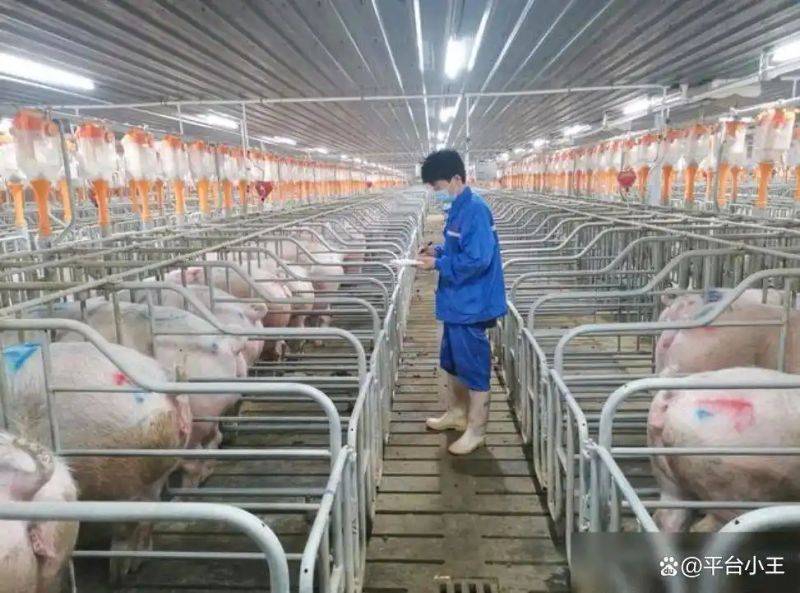
01 double-strike. Cost-side pressure surged
At the beginning of the new year, the feed market took the lead。
According to the latest quotes from a number of feed enterprises, the prices of concentrates, teaching tanks increased generally by $75-100 per ton at the end of january, while the number of dairy pigments, care materials increased by $75 per ton at the same time, and the number of other types of pigs increased by $50 per ton。
New hope, haida, kim xinjiang and others joined the price increase and did not accept the advance。
Even more alarming is the fact that the feed market has undergone many rounds since the fourth quarter of 2025. This round of price increases is relentlessly devouring the already meagre profits of pig breeders。
The price of feed is not stable, and the pig market is in a state of “floating”。
In just three months, the price of pigs rose sharply from $174 to 328
The premium for high-quality pigs is even more significant, with some quotations breaking even 350 yuan/head level。
In the past year, many farmers have reduced their costs to $5-6 per pound by relying on low-cost dividends from feed and pigs, and the risk of losses is now becoming more acute。
02 decline in consumption and persistent weakness in demand
Even as the cost of pig farming is rising, there are discouraging news from the end of pork consumption。
According to the most recent data published jointly by the ministry of agriculture and rural development and others, per capita consumption of pork per household in 2025 was 26. 6 kg/year per person, a decrease of 5. 4 per cent over the same period and a decline for two consecutive years。
Four core factors are destroying the basic plate of pork consumption:
At the economic level, the depressed real estate market has led to a decline of 8. 2 per cent in construction output, while the purchasing power of the group of migrant workers, which is the main consumer of pork, declines in step with the industry. Real per capita disposable income growth in the country was only 3. 1 per cent, and the downward trend in consumption was highlighted。
The demographic changes cannot be ignored either. For the third consecutive year, our population has registered negative growth, with a shrinking overall consumption base。
Aging societies have increased, with more than 20 per cent of the population aged 60 years and over, and a growing group of people with low diet preferences. The youth passion for pork is also cooling down。
Increased health awareness has contributed to the transformation of the dietary structure, with the percentage of household pickles declining at a rate of 3 to 5 per cent per year, and the proportion of fat meat consumed continuously decreasing。
At the same time, there is increasing competition for alternatives. In 2025, poultry production increased by 6. 7 per cent over the same period, well above the 4. 1 per cent increase in pork。
For the first time, the total production of pork, cattle and fowl exceeded the 100 million tons mark, and the meat market “inner rolls” intensified and prices continued to decline。
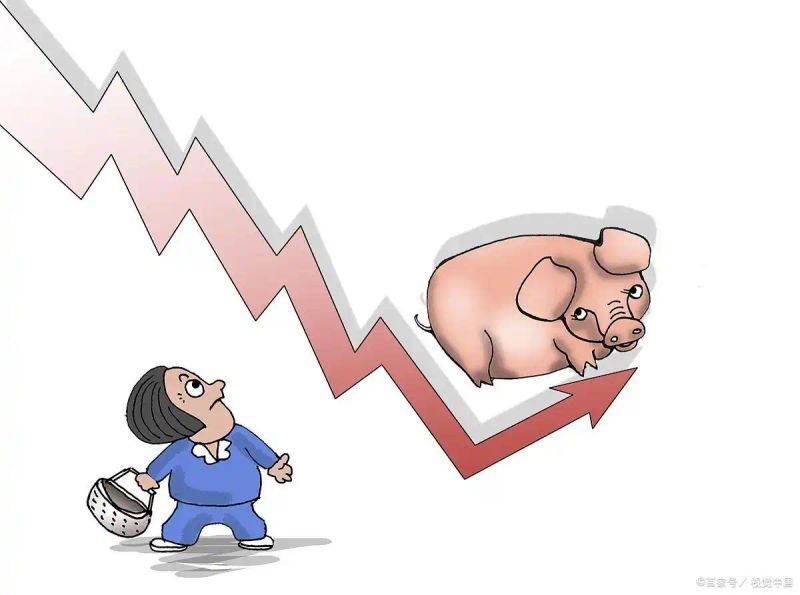
03 imbalance between supply and demand and future trends bureau
It is even more alarming that this trend is almost irreversible。
The ministry of agriculture and rural development predicts that overall pork consumption will decline by an average of 0. 6 per cent per year in the future, while pork capacity is saturated。
In 2025, 7,173 million pigs were born, representing an increase of 2. 4 per cent over the previous year; and 5. 93 million tons of pork, an increase of 4. 1 per cent over the previous year。
The contradiction between adequate supply and shrinking demand has become a central constraint on the rise in pig prices. While total pig production capacity is expected to decline in 2026, overall it will remain at a high level。
Uncertainty is the greatest certainty facing the pig farming industry, compounded by “cost fluctuations” and “consumer reductions”。
04 the path to survival, efficiency reduction is the only way out
In the face of such a difficult market environment, “efficiency reduction” is no longer a slogan, but a necessary choice for survival。
Looking back at 2025, low-cost dividends for feed and pigs, in addition to such factors as optimization of varieties and upgrading of farm health management, are key underpinnings for enterprises and farms that can keep the cost of farming at 5-6 yuan per pound。
Today, this dividend has disappeared and only internal potential can be tapped。
For farmers, cost control at every point is essential to optimize the management of livestock, increase feed conversion rates, reduce the rate of death and catch up with the timing。
In a context of high feed costs, the search for alternative materials with higher value, the optimization of formulations and the reduction of waste will be important for cost control。
At the same time, smart farming and digital management offer new possibilities for efficiency reductions。
Data monitoring and analysis allow for a more accurate understanding of the health and growth performance of pigs, timely adaptation of rearing strategies and precision management。
As markets enter the age of stock competition, larger, specialized farming agents will become more risk resistant。
For small and medium-sized farmers, it is difficult to establish such a strong market competition either by cooperating to create a scale effect or by creating their own niche advantage in the subdivision。
Market experts from the ministry of agriculture and rural development have stated that “efficiency reduction” will be at the heart of the survival and development of farmers in the coming years。
The cost of feed has risen from a low level, increasing the cost of a pig by nearly a hundred dollars; the price of pigs has doubled, raising the farm threshold directly。
When pigs are born, they are confronted with a market in which per capita consumption declines each year. Some pig breeders have begun to transform their capacities into poultry or specialty farming。
At the crossroads of pig farming, selection and adjustment have begun quietly. Each adjustment in production capacity is linked to the livelihood of tens of thousands of farmers。
Farming