Town people's governments, neighbourhood offices, district government departments, municipal direct units:
The scheme for the centralization of heat supply in the southern lake of kashing city was adopted at the 12th standing meeting of the seven regional governments and is being issued to you, so that it can be carefully implemented in the light of their respective realities。
Office of the people's government of south lake, kashing city
May 12
Centralized heat management approach in the south lake region
Chapter i general provisions
In order to implement the state's “development and conservation” energy policy, to realize the social benefits of cogeneration of heat and electricity, to strengthen centralized heating management and to safeguard the rights and interests of both heating and heating units, this approach has been developed in line with the laws and regulations of the people's republic of china on energy conservation, environmental protection and the implementation of the zhejiang province。
Article 2 this approach refers to concentration of heat supply as vapour from heat sources that meet the requirements of the casing city heat plan. Hot water is delivered to parts of the region via a pipe network for use in the production and life of heat. This applies to units that provide centralized heating。
Thermal units are units that produce or operate heat。
Thermal units are units and individuals using heat units。
Third, concentration of heating should adhere to the development of regional cogeneration of heat and electricity, encourage the construction of centralized heating stations in the industrial concentration areas where conditions exist, limit, phase out inefficient and highly polluting decentralized boilers for heating, and apply the principles of integrated planning, step-by-step implementation and industry management。
Article iv. The regional people's government establishes a leadership group for central heating, headed by the deputy chief of the division, which is composed of the relevant sectors, namely, regional economics, trade, development (price), environmental protection, qualitative supervision, security, construction, transport, territorial resources, public security and electricity, and is responsible for the direction and coordination of the centralization of heating throughout the region, in accordance with their respective responsibilities. The steering group consists of an office based in the bureau of economic and social affairs, which is specifically responsible for the organizational implementation and day-to-day management of this approach and is headed by the director of the bureau of economic and social affairs。
The regional economic and trade directorate is the sector authority that concentrates on heating in the region。
Chapter ii planning and construction
In accordance with the kashin city heat plan, the relevant authorities, when approving construction projects, shall reserve land for the construction of thermal sources。
Article 6 - thermal network shall be built in accordance with the master plan of the city (towns) and in accordance with the requirements of the casing city heat plan, and shall be approved by the district construction authorities in accordance with the law, with the corresponding planning and construction permits。
Article 7. The construction of new, modified and expanded hot-grid roads requires the approval and approval of the competent authorities, which are responsible for coordinating the project. The design, installation, maintenance, use and testing of the heating pipeline shall be carried out in accordance with the regulations on the safety and security of special equipment and the decision of the state council on the establishment of administrative permits for administrative approval projects that need to be retained (state council no. 412), ensuring the quality of the works。
Article 8 thermal network works, once completed, shall be subject to inspection and inspection by the competent authorities of the industry. Unexperienced or unsatisfactory receipt and inspection shall not be used。
Article 9 during the construction of the heat network, the units and individuals involved must comply with the construction needs and cooperate in the laying of the pipeline without impeding the overall planning and construction of the heat network。
Chapter iii - heat management
Article x. The heating unit shall be responsible for laying the heating pipelines on the red line to the heating unit, as required by the plan for the construction of the heating network, and the red line to the plant (including the cooling and reducing stations) shall be built by the heat unit itself. The design, construction and installation of the pressure pipe shall be carried out by the unit that obtains the corresponding licence for the pressure pipe, in accordance with the regulation on the safety and security of special equipment and the decision of the state council on the establishment of an administrative permit for an administrative approval project (state council no. 412)。
Article 11 thermal units shall establish regulations for operating management, maintenance of facilities, safe production and accident management to ensure the safe operation of the heat network。
Article 12 thermal units shall maintain and expand the heating capacity while ensuring the quality of the heat, and shall enhance the transport and operational management of the heat source to achieve a stable and sustained heating。
Article 13 the heating unit shall be notified one month in advance of the planned heating system repairs. Temporary breakdowns should be immediately organized to restore heating as soon as possible。
Article 14. The heating unit shall not, as a result of force majeure, unnecessarily reduce or cease to provide heat, except as a result of which the heating must cease。
Chapter iv thermal management
Article 15: new or expanded heating units in the concentration range shall consult with the heating enterprise three months in advance to process the heating。
Article 16 construction of new, re-engineered and expanded projects in built-up, concentrated heating areas should not be accompanied by the construction of new (expanded) productive boilers or other heating facilities without authorization. If the supply of thermal energy does not meet the requirements of the process because of the production process, approval from the competent industry authority is required for the construction of the heating facility。
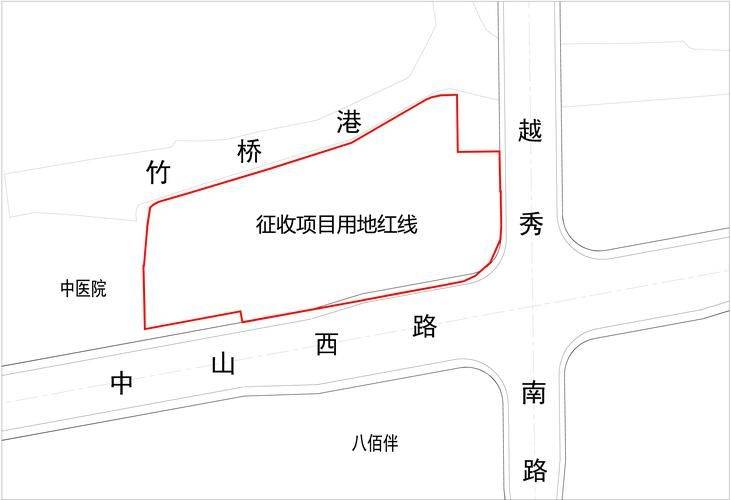
Article 17 in areas where the construction of hot sites is planned, new heating facilities need to be committed to dismantling once the heating pipeline is laid。
Article 18 after the construction of the centralized heating pipeline network, the former production boilers or other heating facilities must be discontinued and dismantled within three months. Dismantling boilers may be paid in front of taxes with the approval of the competent tax authorities. The write-off, scrapping or transfer of the dismantled boiler is subject to the relevant procedures before the subdirectorate of quality control。
Article 19 all parties to a supply or heating relationship are required to enter into a contract for the supply of heat, specifying their rights and obligations. The supply heat contract is subject to the relevant laws and regulations and to this approach。
Chapter v measurement management
Article 20 thermal energy measurement shall be carried out using metrics produced in qualified units, the selection of which shall be subject to review by the district heat department, the district quality control board, the scope and accuracy of the measurements, the selection of which shall be made by the unit of supply or heat, and the cost shall be borne by the heating unit。
Article 21 new acquisitions of metering instruments are to be carried out by qualified units after certification by a national statutory measurement control body. In normal use, neither party may make unauthorized adjustments to the metering instrument. If there is an objection to the measurement, an application for review or arbitration certification may be submitted to the office of the precursor, the costs of which shall be borne by the submitting party, subject to the determination of the arbitration findings and in accordance with the relevant provisions。
Article 22 the meter shall be subject to periodic inspection, maintenance and verification, and periodic testing of the meter. Maintenance and verification are subject to the provisions of the law on measurement of the people's republic of china and are borne by the state's statutory measurement and inspection body, and the costs are borne by both the heating and the heating parties。
Article 23 no unit or individual shall:
(i) self-use of water plume valves in thermal network pipe, pre-positioned vents to intercept steam
(ii) failure to comply with heat approval procedures to intercept thermal energy on the heating pipeline, expand the area of heat or transfer heat elsewhere
(iii) the intentional closure or alteration of meters, valves or power sources associated with the measurement, resulting in an incorrect measurement。
Chapter vi price management
The heating unit for the new account shall pay a fee to the heating unit for access to the network according to the specified criteria。
Article 25 thermal energy prices should be determined on the basis of the principle of cost of production and reasonable price of heat and electricity, taking into account the interests of both the supply and the heating parties. The price criteria are implemented with the approval of the price authority。
Article 26 thermal energy charges are based on the reading of the meter at the heat unit level. During the reporting period, gas was calculated on the basis of an average of three days. In case of abnormal use of steam, the time may be extended。
The heating fee is settled once a month and is paid in full by the tenth of the following month, with the delay of one thousandth of the required day for the expiry of the period. Users who are in arrears for more than one month apply to the heating unit and are suspended by the competent authority according to law。
Chapter vii. Heating facilities management
Article 27 the heating unit shall have a clearly unified marking at the location of the centralized heating facility。
Thermal facilities are thermal power plants, heating boilers and various pipelines, control valves, ancillary facilities, etc。
Article 28 construction work approved by the sector construction department in accordance with the law, which requires the relocation of heating facilities because of the construction requirements, is to be carried out by the heating unit and the construction unit under a relocation agreement。
Article 29 construction in the protected areas of the heating pipeline must be carried out with the prior consent of the heating unit and with the necessary protective measures。
Article 30 if the heat unit does not have the capacity to manage its own facilities, it may be entrusted to the heating unit for compensation。
Article 31 thermal facilities are the same as electrical facilities, and any unit or individual must maintain the security of the heating facilities and shall not:
(i) damage to and damage to thermal installations
(ii) unauthorized installation of facilities, erection of lines and suspension of objects on heating pipes, support (strangulation) shelves
(iii) unauthorized operations within protected areas for heating pipelines, such as digging pits, excavations, stakes, etc., that endanger the safety of heating facilities
(iv) unauthorized access to heating facilities, such as retrofitting, dismantling, mobile pipes, instrumentation, etc.
(v) undisturbed piles of garbage on both sides of the heat network pipeline
(vi) other acts that endanger or damage heating facilities。