More recently, the modern mandarin dictionary was launched, which brought together three generations of writers for 20 years. A lot of people would ask: "we've got the modern mandarin dictionary long ago. It's useful and useful. Why do we have to work hard to create an expanded dictionary?" the answer is hidden in a story written in the dark。
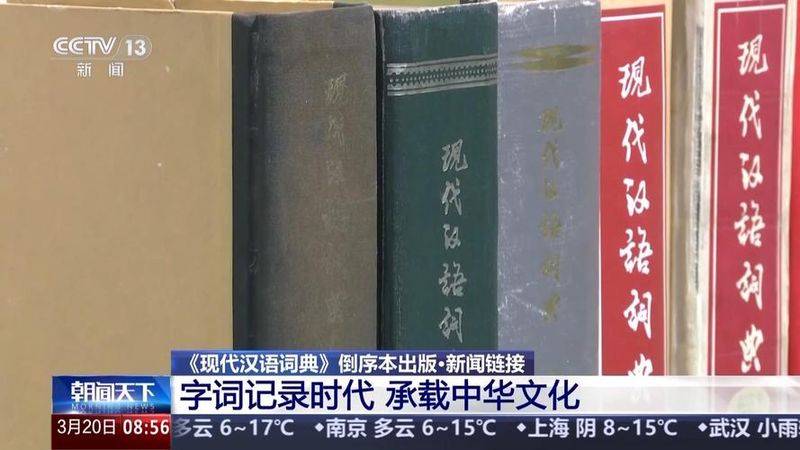
The vocabulary is the most sensitive nerve that reflects social and age change. As far back as the 1960s and 1970s, mr. Lu and mr. Ting siu raised the need to create a larger and more informative “modern mandarin dictionary”, not only about norms, but also about documenting the changes that have been experienced in chinese from the five-four movements to today. However, the plan was launched three times and stopped three times before it really resumed in 2005。
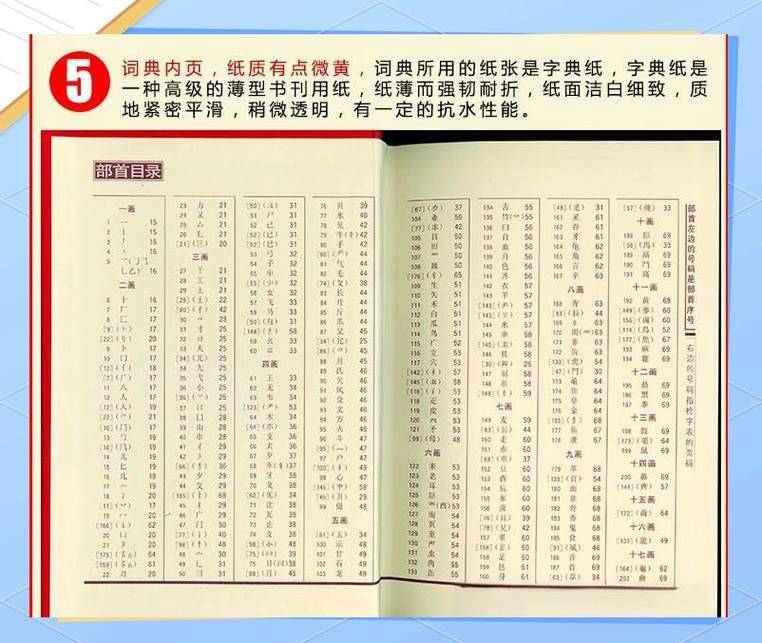
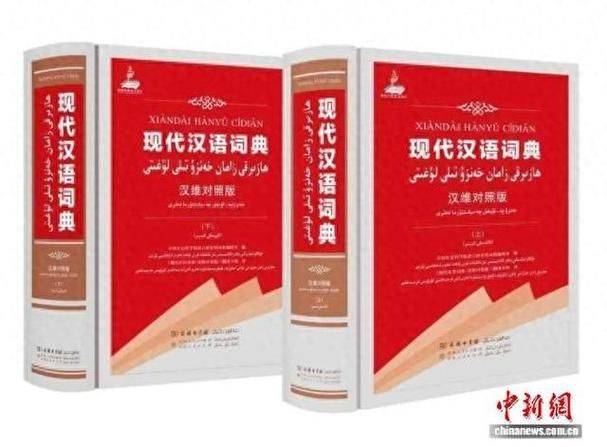
The modern mandarin dictionary is a “normative bar”, teaching us how to say and write, but it is a medium-sized dictionary that does not contain much history and detail. And the modern mandarin dictionary will leave all the missing, new, spoken, local chinese。
It deliberately takes back the old words of the late qing dynasty, which were deleted from the ordinary dictionary: for example, the old term, "intelligence = knowledge", "destroy = open," so that we can read the words of 100 years ago。
It dares to include the words “hard, whatever, what, where and where”. These daily terms, common dictionaries, are less collected and are systematically completed。
It replaces the term “hot hand” with “hot hand” and adds a new meaning of “popular, hot hand”; the term “character” is the neutral word “character”, adding the term “hard hand”。
It also added more than 1,400 sets of analysis, practical tips: to tell you that the word “multiply” can only be said to increase, not decrease; and to tell you what the difference is between “actual” and “real”。
It can be said that the modern mandarin dictionary is the most well-received and well-established modern chinese dictionary in the country to date. The collection of 157,000 words and words is 2. 28 times greater than the modern chinese dictionary; five volumes containing more than 13,000 words; 25,000 encyclopedias, with more than 400,000 examples; and more than 12 million words。
Of course, the dictionary is also used in a simple way: by serial search, the old word “old times”, the dialects of north-south, all word type; volume v also has a reverse index, which is super fast; the appendices cover spellings, phrases, calendars。
This is not just a dictionary, it's a three-generation speechwriter, the most solemn record ever left in modern chinese。