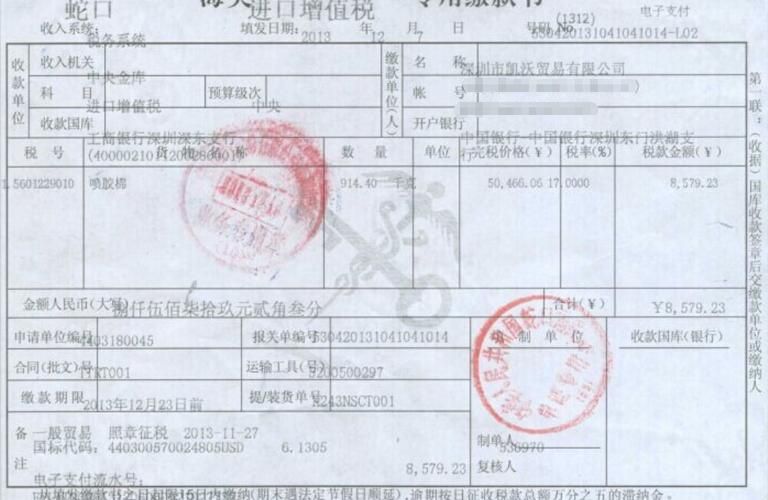
The four issues of the gold tax were fully landed and the silver tax data were in full depth, and the invoices had long been not a simple claim entry document, but a first breakthrough in tax audits。
According to published data of the general tax administration, 72 per cent of tax-related risks in recent tax audits have resulted from incompatibilities in invoices; false billings, white notes, mixed bills, third-rate inconsistencies, minor tax adjustments, compensatory fines and, more importantly, judicial transfers and criminal liability。
Invoice compliance is no small matter and the following 28 invoices, “red line”, must be read and strictly complied with, regardless of whether the business owner, the financial accountant or the employee claims。
I. Red lines for the opening of tickets (10, most mine-prone)
The issuing of tickets is a source of invoicing risk, and many enterprises have been misperceived in order to pay less, pay more, and are also the most heavily targeted areas。
Fiction of the bill: the absence of a real business, the issuance of tickets in a vacuum, the issuance of bills on behalf, and the fact that the amounts in question do not correspond to the actual amount are serious offences. Third-rate inconsistent billing: contracts, invoices, flow of funds, mismatches between goods and services, no goods, no goods. (b) alteration of names: the recording of welfare, hospitality, personal consumption, office, services and materials. Large and small invoices: invoices are larger, bookings are smaller, revenues are hidden and taxes are reduced. (c) cross-industry far-reaching billing: random billing outside the scope of a business licence, uncharacterized goods and taxes. Third-party billing: no qualification, no business, no credit in the name of another company. Large integer billings are frequent: 100,000, 500,000, 1 million integers are frequently invoiced, with no scratches and no reasonable business background. (c) free issuance of tickets: local operations, foreign issuance of tickets, lack of a reasonable basis of business and registration of branches. (b) waste-freight random operations: at the end of the month, large amounts of waste were concentrated, frequent inter-monthly runs, and artificially regulated revenues and taxes. Linked companies give each other empty votes: related firms pay each other for each other, fabricate business, inflate costs。
Real cases: in an effort to reduce profits, a small company, with a total of $3. 8 million in false office and service invoices, was warned by four periods of taxation, which resulted in a full increase in taxable income, a surcharge on enterprise income tax + a fine of + 1 times, and legal persons and finances were added to the tax loss list。
Ii. Acquiring and reimbursing red lines (10 accounting for daily high frequency pits)
Many staff members do not understand the rules, are poorly audited, receive tickets and pay claims, and all payments are eliminated。
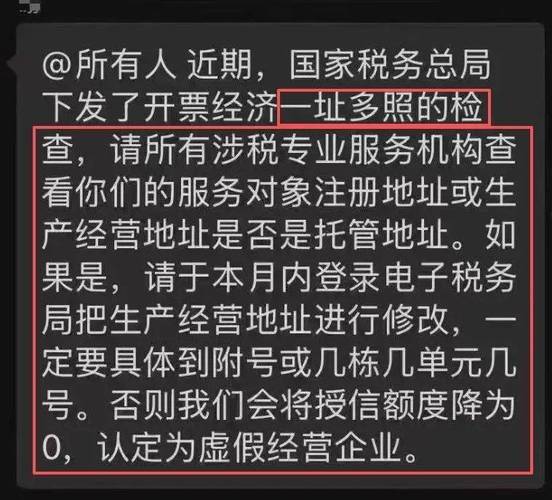
11. White receipt in place of invoice entry: receipt, handwritten white note, chat record in lieu of formal invoice pre-tax deduction。
12. Remittance errors continue to be recorded: loss of header name, loss of tax number, incomplete account opening and direct reimbursement。
13. Incurred recording of individual return invoices: the business performed by the company was fully offset by individual return invoices。
14. Obsolete invoices, inter-year invoices are entered into the accounts at random: older invoices over the crediting period, older invoices over the years, and pre-tax deductions。
15. Invoices are empty: construction services, real estate leases, transport services, finished oils, etc., while the notes are blank。
16. The annex is not exclusively recorded on the basis of invoices: there is only one invoice for significant costs, with no contract, no details, no access to inventory documents。
17. Duplicate and split claims: the same invoice is repeatedly accounted for and large costs split into small invoices circumvent control。
18. Non-compliance with ordinary invoices, electronic duplicate tickets: electronic invoices repeat duplicate claims, tampering with invoice amounts and 2d codes。
19. Non-proportional control of benefits and hospitality: full accounting does not involve tax adjustments and does not increase over tax deductions。
The purchase of the goods was seriously inconsistent with the name of the invoice: the material actually procured, the invoice was issued as b consumables, and the goods were completely out of line。
Statistics: nearly 45 per cent of the claims for the daily expenses of an enterprise are subject to minor problems, such as a backlash, missing notes, incomplete attachments, all of which are taxed up at the time of the settlement of the remittances, and more corporate income tax payments。
Iii. Red line for accounts and tax control (8 articles, four issues of tax focus)
Invoices are not only reimbursement vouchers, but are more related to accountancy, crediting of payments, tax rates, which trigger tax warning as soon as the bottom line is touched。
21. There was a serious mismatch between the invoicing and the sales: sales were inverted, quantities were abnormal, and the māori ratio significantly deviated from industry averages。
22. Long-term zero-declarations are accompanied by large numbers of incoming and outgoing invoices: long-term zero-income declarations are frequently obtained and invoiced。
23. Collections, public tickets and uncollected accounts by private households: payments go to the owner, to the private account of the treasury, and the accounts are hidden from public invoices。
24. Invoices for r & d costs are lump-sum: deductions are applied to the non-office, catering, travel invoices, which are compulsorily classified as r & d costs。
25. Mixing of small-scale and general taxpayers ' notes: random switch-up of the principal billing credit and artificially adjusted taxes。

26. Invoice custody is in disarray: electronic invoices are not archived, paper invoices are missing, supporting attachments are missing, and tax verification cannot prove。
27. Unusual invoices were not processed in a timely manner: out-of-control invoices, irregular certificates, fugitive business invoices were received, and non-entry transfers were still subject to mandatory crediting。
28. Equipping and saving for tax offsets: at the end of the year, large collections were concentrated, the amounts were recorded and artificially reduced the profits of the year。
Four, hold the invoice line and the firm does the right thing
First, an invoicing audit system is in place to ensure that tickets are issued on a basis, that they are certified and that the annexes to the claims are checked, and that white books, erroneous votes and false notes are not recorded。
Second, the financial system strictly integrates control: contract flow, invoice flow, money flow, goods flow consistent, leaving no doubt about taxes。
Thirdly, the red line of invoices is widely known, and employees do not write off tickets, collect tickets, account for them at will, and reconcile taxes。
End
Under the four-phase gold tax, invoicing supervision has resulted in full process trails, large data matching, cross-sectional network verification and no safe haven for any manoeuvres. The red line of invoices is both the focus of tax inspections and the bottom line for business compliance. Both owners, finance and ordinary employees are required to abide by the principle of invoicing compliance, not to step on the red line and not to touch mined areas, which avoids compensatory tax penalties and better protects the long-term security of enterprises and individuals。